Headless ecommerce: how flexible architecture drives sales
.webp)

Most e-commerce managers assume their platform’s limitations are just facts of life. Slow page loads after a new feature launch? Expected. Months-long wait to redesign the checkout flow? Normal. A backend update that breaks the storefront? Unfortunate but unavoidable. These pain points are not inevitable. They’re symptoms of a monolithic architecture that bundles your storefront and your business logic into one rigid system. Headless ecommerce separates the two, giving your brand the freedom to move fast, experiment boldly, and build customer experiences that actually convert. This guide will show you exactly how it works and whether it’s right for your operation.
Key Takeaways
PointDetailsDecoupled architectureHeadless ecommerce separates front end and back end for more control and customization.Greater flexibilityBrands can innovate faster and deliver better experiences than with monolithic platforms.Implementation challengesTechnical complexity and integration require planning and the right team.Not always essentialHeadless isn’t necessary for every brand—assess your business needs first.Smooth omnichannel supportHeadless systems make it easier to connect across devices, channels, and customer journeys.
What is headless ecommerce?
In a traditional ecommerce platform, the front end (what shoppers see and interact with) and the back end (inventory, payments, order management, pricing logic) are tightly coupled. Change one, and you risk breaking the other. Every new feature requires coordination across both layers, which slows everything down.
Headless ecommerce decouples these two layers entirely. The “head,” meaning the customer-facing storefront, is separated from the body of commerce logic that powers it. The two communicate through APIs (Application Programming Interfaces), which are standardized connectors that pass data back and forth in real time. Your front end can be built in any modern framework you choose, React, Vue, or a custom solution, while your back end handles transactions, catalog management, and fulfillment independently.
Here’s why mid-sized and enterprise brands are making this shift:
FeatureMonolithic platformHeadless architectureFront/back-end couplingTightly linkedFully decoupledTime to deploy new UXWeeks to monthsDays to weeksScalabilityLimited by platformScales independentlyTech stack flexibilityPlatform-dependentFully customIntegration complexityLower upfrontHigher upfront
Pro Tip: Before budgeting for headless, map out every third-party tool your current platform connects with, analytics, loyalty programs, ERP systems, and marketing automation. Hidden integration costs from rebuilding those connections in a headless environment often catch brands by surprise and push timelines out significantly.
How headless compares to traditional platforms
With a working definition in hand, it’s time to see how headless stacks up against traditional ecommerce platforms in real business scenarios.
Imagine your brand wants to launch a new holiday gift guide experience with interactive product bundles, video storytelling, and a personalized quiz. On a monolithic platform, this project touches the template engine, the product catalog API, the CMS layer, and the checkout flow simultaneously. Your development team queues the work, waits for a release window, tests across dependencies, and pushes live six to ten weeks later. The holiday window may already be narrowing.

In a headless architecture, your front-end team builds the gift guide experience independently. They pull product data via API, connect the quiz logic to your personalization engine, and deploy the new pages without touching the checkout or inventory systems at all. Timeline? Two to three weeks, sometimes less. That speed advantage is not trivial. Research shows that faster site experiences can lift conversion rates substantially, with some studies placing the impact of page load improvements at over 20% uplift for the first few seconds of load time.
Here is a sequential example of how each system handles a new digital experience rollout:
The efficiency gains from automation in ecommerce compound when your architecture also eliminates the bottlenecks that slow your team down in the first place.
Pro Tip: Not every brand needs headless right away. If your current platform meets your performance benchmarks and your team lacks in-house API development skills, the cost and complexity of going headless may outweigh the upside. Headless is a strategic investment, not a quick fix.
Use cases and benefits of headless ecommerce architecture
Understanding the comparison helps, but what does headless actually let brands do that monolithic platforms cannot? Let’s break down the real-world impact.
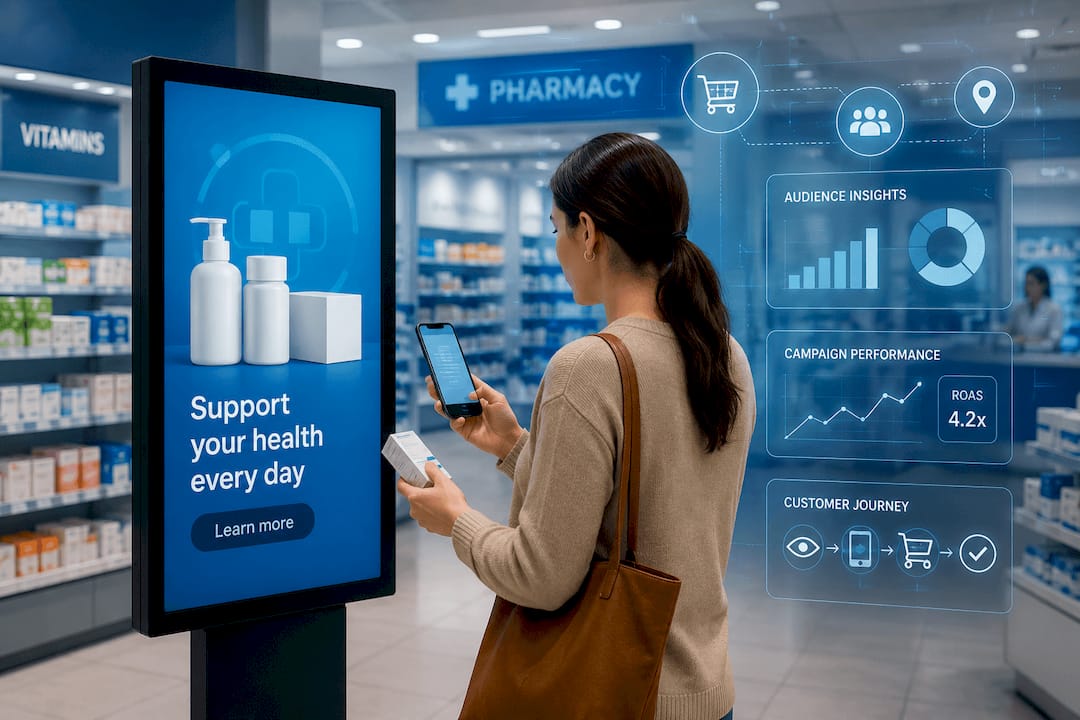
Multi-touchpoint retail is where headless earns its keep fastest. Brands selling across a website, a mobile app, in-store kiosks, smart TVs, and voice assistants need one source of truth for product data, pricing, and inventory. Headless provides exactly that: a single back end feeding every customer touchpoint through APIs. Shoppers get a consistent, accurate experience whether they’re browsing on a phone or asking a smart speaker for a reorder.
Building a strong omnichannel ecommerce strategy is far more practical when your architecture is designed to serve multiple surfaces without duplicating logic across each one. Brands executing these omnichannel growth tactics at scale consistently report higher average order values and stronger customer retention.
Rapid UX iteration is the second major advantage. Marketing teams no longer have to file development tickets and wait weeks to change a product page layout, test a new hero image format, or redesign the mobile cart experience. Front-end changes deploy fast and independently. A/B testing velocity increases, which means more experiments, more data, and faster learning cycles.
Localization is a use case that matters enormously at the enterprise level. A brand operating in 15 countries needs each storefront to reflect local language, currency, promotions, and compliance requirements. In a headless system, each regional front end can be customized independently while sharing the same back-end commerce infrastructure. Launching a new market goes from a multi-month platform project to a focused front-end build.
Core benefits brands report after going headless include:
“The real value of headless isn’t technical, it’s organizational. When marketing and commerce teams can move at their own pace, the speed of experimentation and learning accelerates in ways that compound over time.” — Common finding from enterprise digital transformation practitioners
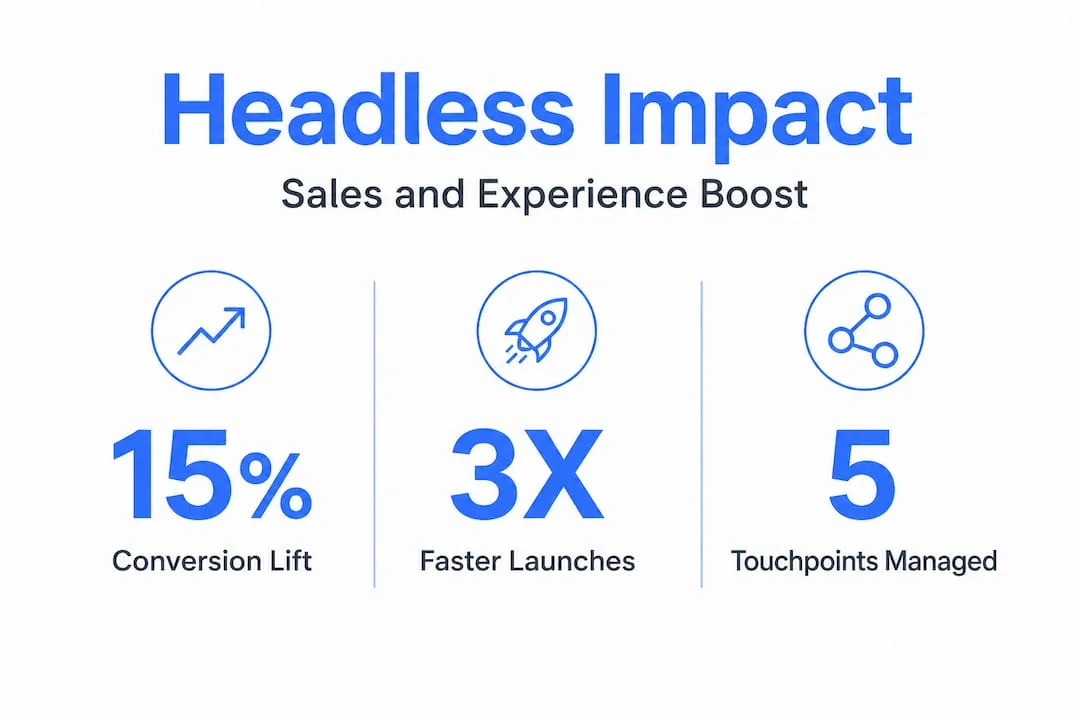
Personalization specifically has measurable conversion impact. Personalized shopping experiences can drive 10% to 15% revenue lifts according to McKinsey, and headless architecture is what makes high-fidelity personalization technically feasible at scale, because you can integrate best-in-class personalization engines at the front-end layer without platform constraints.
Pitfalls and implementation challenges
While the opportunities are real, there are significant bumps in the road. Here’s what you need to know before making the leap.
The most common pitfalls brands encounter when adopting headless ecommerce, in order of frequency:
Solid end-to-end ecommerce management practices become especially critical during a headless transition because the moving parts multiply significantly.
Pro Tip: Align your IT and business stakeholders before you write a single line of code. The biggest implementation failures come from technical teams building what’s technically possible rather than what the business actually needs. Start with your desired customer experience outcomes and work backward to the architecture decisions.
Before committing, ask your team these readiness questions:
Timing matters too. If your brand is heading into peak season planning, initiating a major architecture transition simultaneously is a recipe for compounded risk. Sequence strategically.
Getting started with headless ecommerce
If you’re considering headless for your brand, here’s how to take the first steps in a manageable, strategic way.
Learning how to properly leverage ecommerce data throughout this process will help you measure the impact of each phase and justify continued investment to leadership.
Pro Tip: Start with a single use case to demonstrate value and reduce risk. Picking a high-visibility but contained project, like a new product launch page or a regional storefront, lets you generate real ROI data before you ask leadership to fund a full migration.
Why headless ecommerce works and when it doesn’t
Here’s an opinion you won’t hear from vendors selling headless platforms: most mid-sized brands should not rush to headless. There. We said it.
The technology is powerful. The benefits are real. But headless ecommerce is not a product you install. It is an organizational capability you build. And building it requires engineering maturity, cross-functional alignment, and sustained investment that many teams are simply not positioned for right now.
The brands that get the most out of headless are those where the architecture solves a specific, expensive business problem. A global enterprise struggling to localize 20 storefronts efficiently? Headless makes sense. A direct-to-consumer brand that needs to deliver the same experience across web, app, and retail screens simultaneously? Headless makes sense. A mid-sized brand with a solid Shopify Plus setup, a capable marketing team, and no specific performance ceiling? Wait. The grass is not always greener.
The contrarian view worth considering is this: some industry voices position headless as the inevitable destination for all serious ecommerce. But inevitability does not mean immediacy, and the implementation complexity of going headless can actually slow a brand down for 6 to 18 months during the transition period. That’s real revenue risk if your timing or execution is off.
The hard-won lesson from brands that have navigated this well is to prioritize business goals over technical trends. Your architecture should serve your growth strategy, not the other way around. If your current platform is limiting a specific, high-value capability, that’s your green light. If you’re going headless because it sounds like where the industry is headed, pump the brakes and pressure-test the decision with resource allocation rigor.
The brands that win with headless are the ones who went in with clear outcomes, realistic timelines, and the organizational maturity to execute. That combination is rarer than the vendor pitch decks suggest.
How Nectar helps brands succeed with headless ecommerce
With a clearer picture of the realities and opportunities in headless ecommerce, the next question is: who do you trust to help you get there?
Nectar works with mid-sized and enterprise brands to build ecommerce strategies that are grounded in data, aligned to business outcomes, and executed with precision. Whether you’re evaluating headless architecture, optimizing your existing storefront, or scaling across multiple channels, our team brings the technical depth and commercial perspective to make it work. Explore our growth services to see how we approach full-funnel ecommerce management, or dig into our ecommerce service offerings to find the right fit for your brand’s stage and goals.
Frequently asked questions
How does headless ecommerce impact website speed?
Headless ecommerce can significantly improve website speed by allowing the front end to be optimized independently, using modern frameworks and edge delivery networks without being constrained by the back end’s release schedule. The result is faster page loads that directly support higher conversion rates.
Is headless ecommerce more expensive than traditional platforms?
Headless solutions typically carry higher upfront implementation costs due to custom development, integration work, and infrastructure setup, but they can generate strong ROI through increased conversion rates, faster innovation cycles, and reduced platform dependency as your business scales.
What skills does my team need for a headless ecommerce transition?
You’ll need developers experienced in RESTful or GraphQL APIs, modern JavaScript frameworks like React or Vue, and systems integration, along with strong cross-functional communication between marketing, IT, and commerce operations teams.
Can I combine headless ecommerce with omnichannel strategies?
Absolutely. Headless architecture is purpose-built for omnichannel commerce because a single back end can serve data to any customer touchpoint, including web, mobile, in-store kiosks, and voice commerce, through standardized APIs, making consistent cross-channel experiences far easier to manage and scale.
Recommended
























































.webp)