{
"@type": "Article",
"image": {
"url": "https://csuxjmfbwmkxiegfpljm.supabase.co/storage/v1/object/public/blog-images/organization-10884/1773380124398_Brand-team-reviews-ecommerce-marketplace-strategy.png",
"@type": "ImageObject",
"caption": "Brand team reviews ecommerce marketplace strategy"
},
"author": {
"url": "https://thinknectar.com",
"name": "Dan Katona's Organization",
"@type": "Organization"
},
"@context": "https://schema.org",
"headline": "Top ecommerce marketplaces to scale your brand in 2026",
"publisher": {
"url": "https://thinknectar.com",
"name": "Dan Katona's Organization",
"@type": "Organization"
},
"inLanguage": "en-US",
"articleBody": "Discover the top ecommerce marketplaces for 2026. Compare Amazon, Walmart, and Shopify to choose platforms that maximize your brand's reach and profitability.",
"description": "Discover the top ecommerce marketplaces for 2026. Compare Amazon, Walmart, and Shopify to choose platforms that maximize your brand's reach and profitability.",
"datePublished": "2026-03-13T05:36:07.082Z"
}
Top Ecommerce Marketplaces to Scale Your Brand in 2026
.webp)
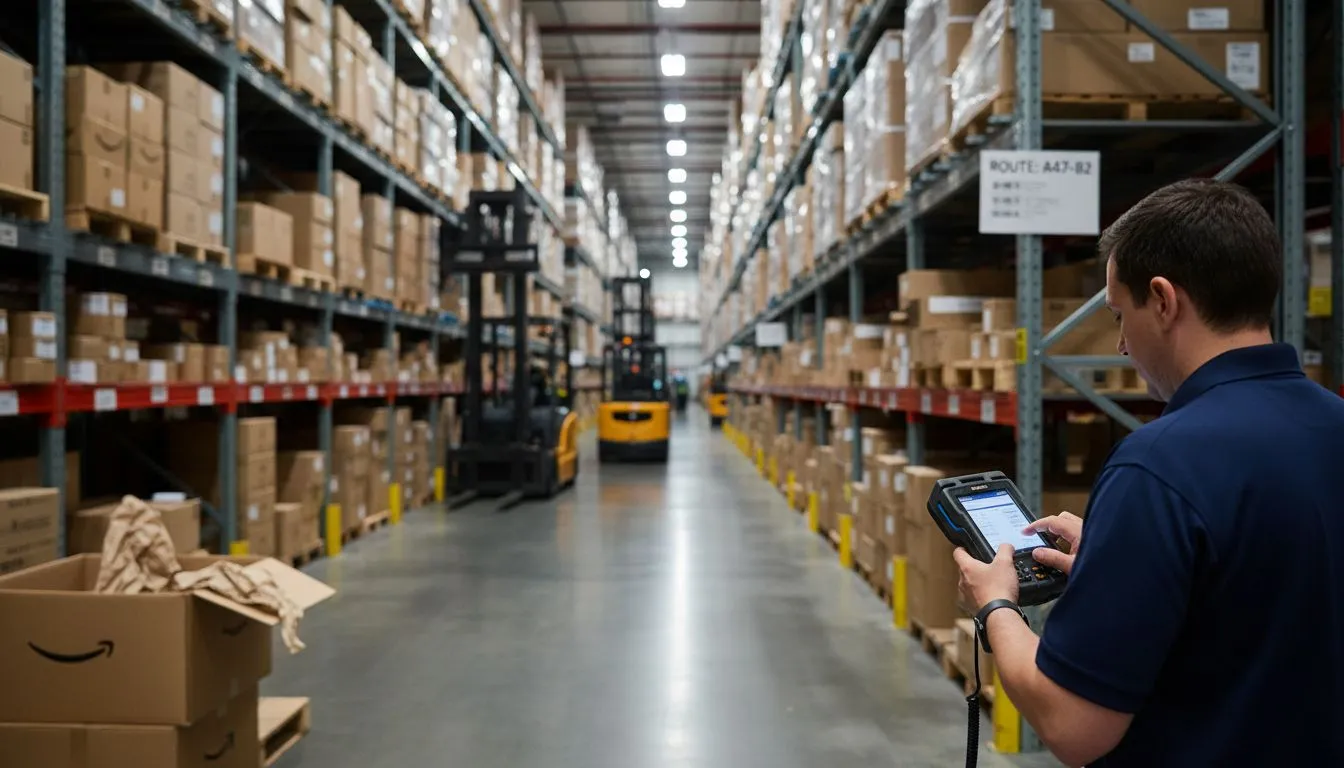
Selecting the right ecommerce marketplace defines your brand’s reach, profitability, and operational complexity. With platforms like Amazon, Walmart, and Shopify competing for market share in 2026, brands must evaluate criteria like vendor management, commission models, and AI capabilities. This guide provides a strategic decision framework to help you choose the platforms best aligned with your growth goals.
Key Takeaways
- Balance reach, control, & complexity: Amazon offers massive scale, Walmart combines reach with lower fees, and Shopify prioritizes full brand ownership.
- Operational risks escalate with expansion: Prevent inventory drift, compliance fragmentation, and stockouts with proactive technology and accurate forecasting.
- AI & partnerships reshape economics: Automation tools and strategic alliances (e.g., Shopify-Walmart) improve competitiveness and reduce operational burdens.
- Platform selection requires strict evaluation: Assess onboarding complexity, commission structures, inventory tracking, and technology integration before committing.
How to Evaluate Ecommerce Marketplaces: Essential Criteria
Before committing to a platform, apply a structured evaluation framework to protect your margins and operational bandwidth.
- Vendor Onboarding & Management Complexity: Building a multi-vendor presence requires systems to vet catalogs and maintain quality standards. Prioritize platforms that simplify these processes to reduce administrative overhead and accelerate time-to-market.
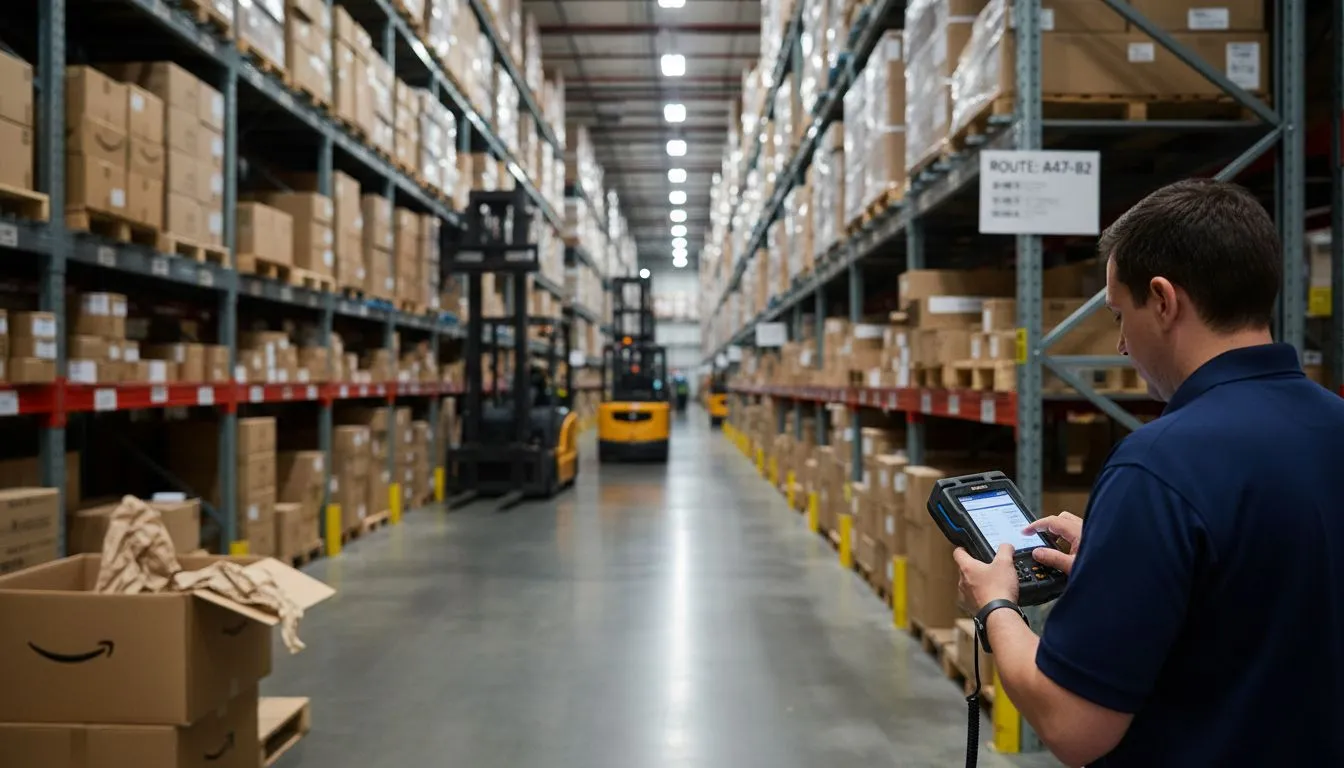
- Inventory Precision & Logistics: Real-time visibility across warehouses, 3PLs, and marketplace fulfillment centers is non-negotiable. Accurate forecasting tools prevent the inventory drift that leads to fragmented data, lost sales, and costly stockouts.
- Commission Models & Margin Impact: Understand the total cost of selling. Factor in flat percentage fees, subscription costs, advertising requirements, and fulfillment charges to model realistic margins.
- AI Capabilities & Automation: Leading marketplaces in 2026 leverage machine learning for dynamic pricing, automated content generation, and personalized recommendations. Look for native AI tools or seamless integration with third-party solutions.
Pro Tip: Prioritize marketplaces with robust APIs. Integration flexibility allows you to connect inventory, analytics, and CRM tools into a unified, cross-channel operating system.
Top Ecommerce Marketplaces in 2026: Features, Costs, and Operations
Three platforms dominate the conversation for mid-sized to enterprise brands. Each offers distinct advantages shaped by their technology and business models.
1. Amazon: Unmatched Scale and Logistics
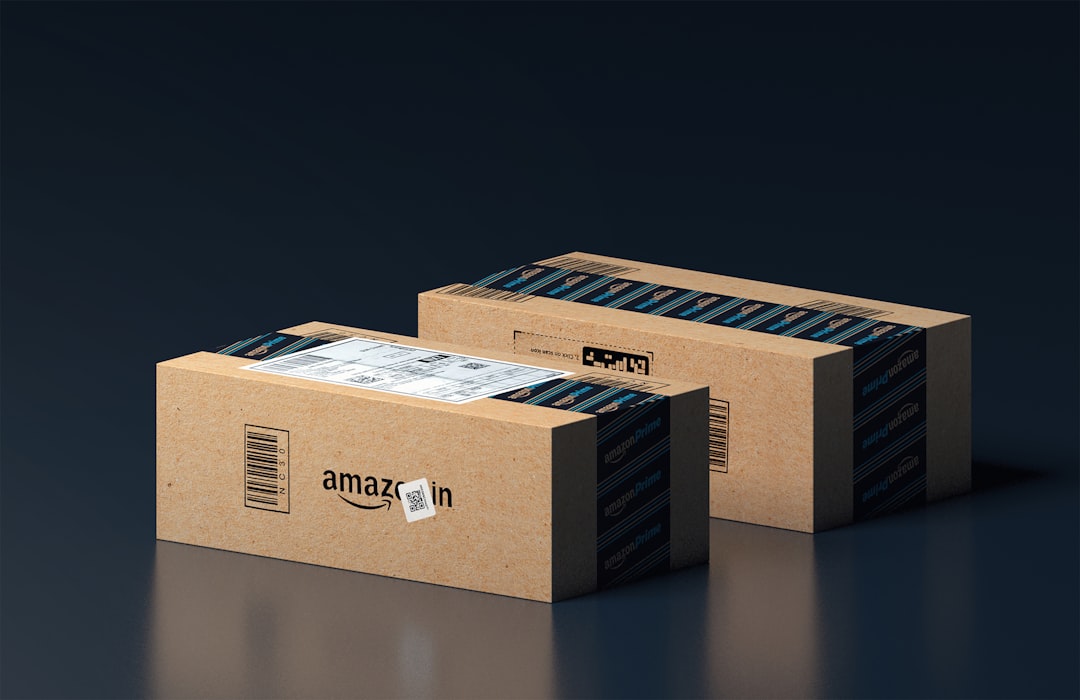
Amazon remains the global leader, boasting over 300 million active accounts and sophisticated logistics.
- The Advantage: AI-powered product recommendations drive industry-leading conversion rates. Fulfillment by Amazon (FBA) significantly reduces operational complexity.
- The Trade-off: Intense competition, premium fulfillment fees, and limited brand control make differentiation challenging.
- Fees & Commissions: The Professional plan is $39.99/month, with commission rates ranging from 8% to 15% depending on the category.
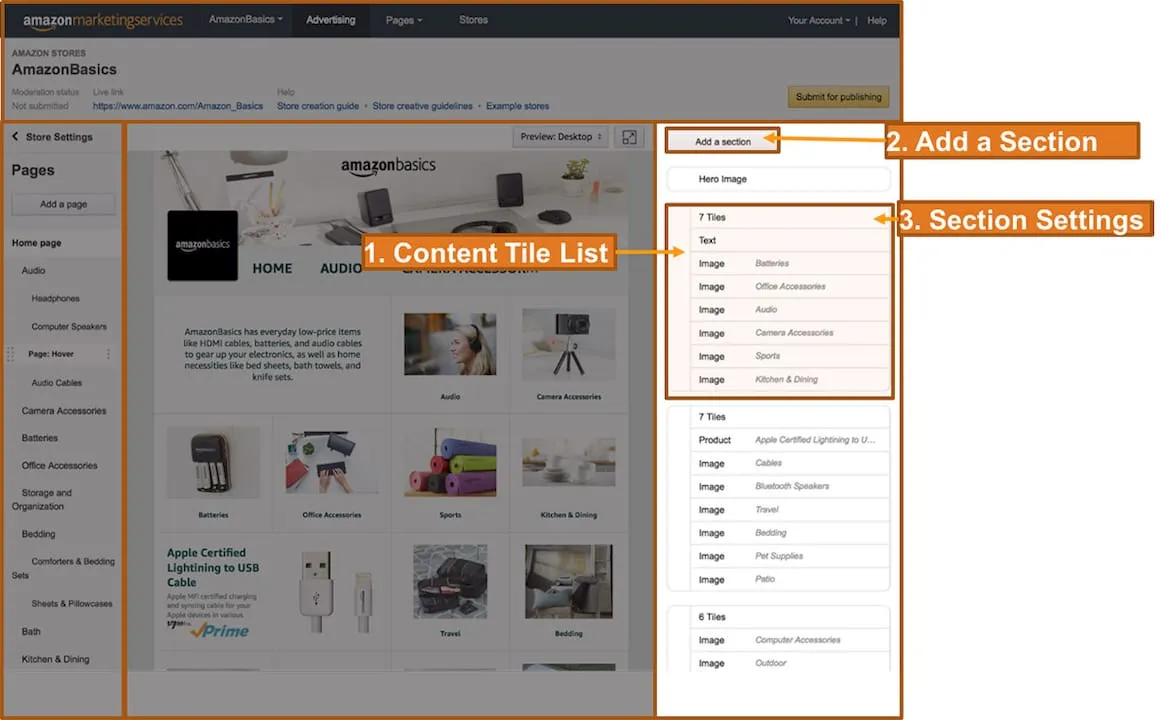
- Brand Control & Data: Offers limited storefront customization and retains all customer data.
2. Walmart: Reach Meets Profitability
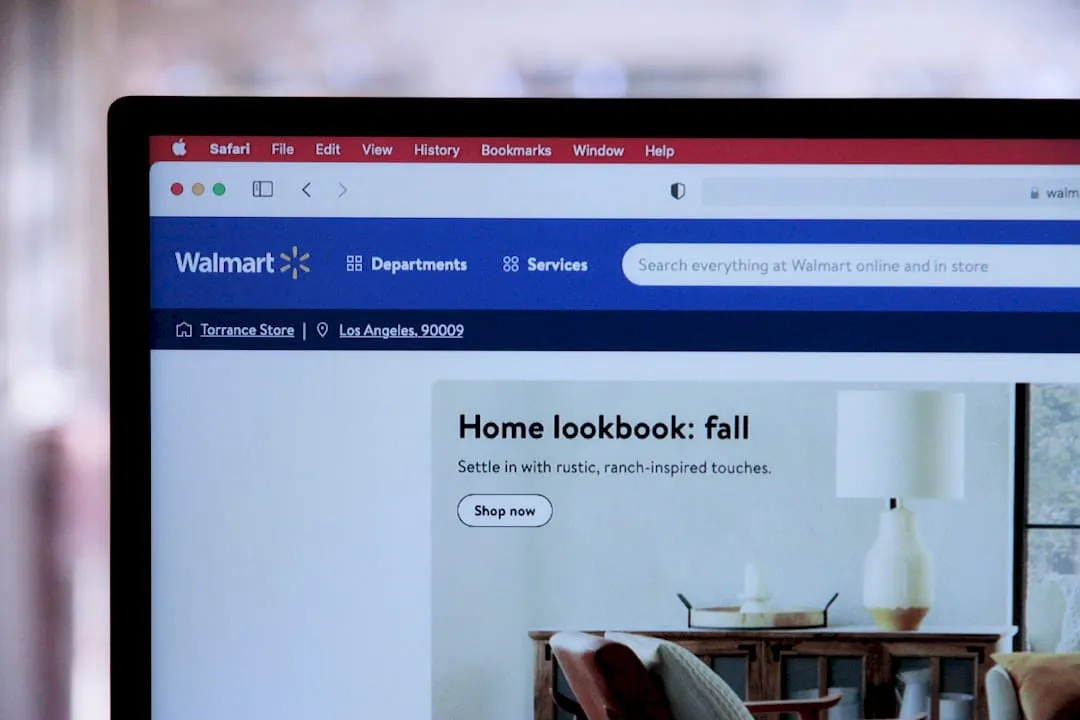
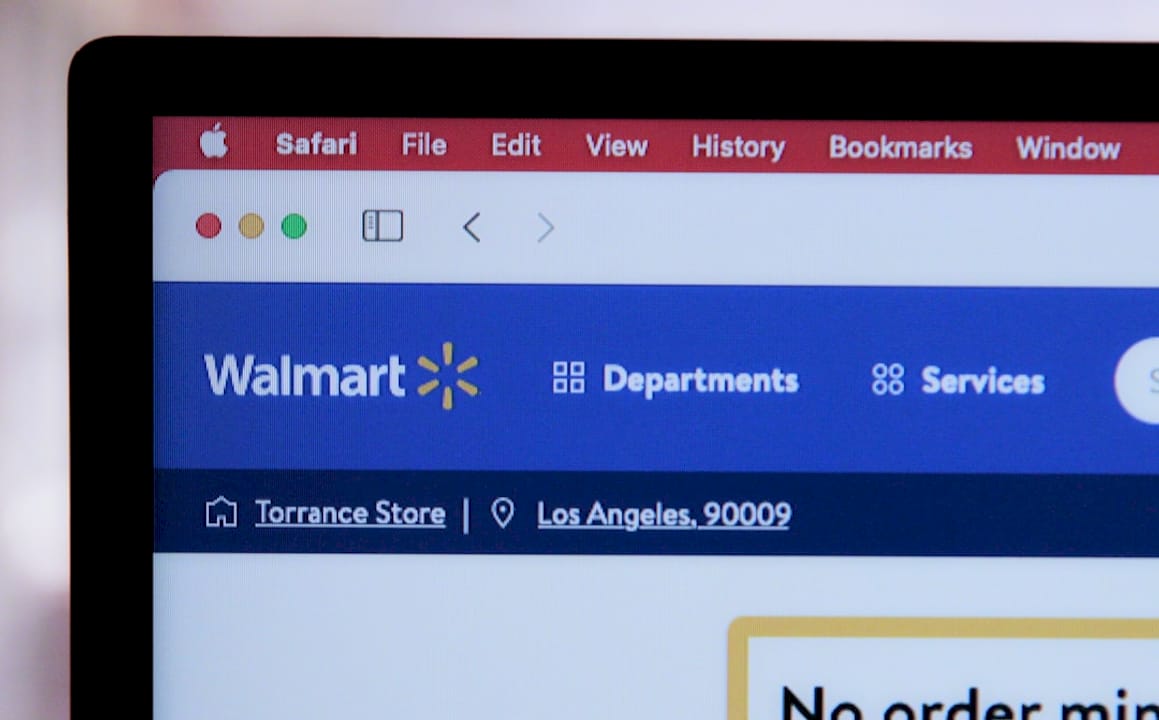
Walmart attracts brands seeking massive omnichannel scale without Amazon-level seller fees.
- The Advantage: Buy-online-pickup-in-store (BOPIS) capabilities drive repeat purchases. Strategic partnerships, like its alliance with Shopify, allow merchants to access Walmart's audience while maintaining underlying brand ownership.
- The Trade-off: A highly selective approval process prioritizes only established brands with proven operational track records.
- Fees & Commissions: There is no setup or monthly fee. Commission rates range from 6% to 15% depending on the category.
- Brand Control & Data: Offers moderate customization options through Walmart Fulfillment Services (WFS) or seller-fulfilled routes, but retains customer data.
3. Shopify: Ultimate Brand Control
Shopify empowers merchants to build dedicated storefronts while accessing marketplace features through powerful integrations.
- The Advantage: Full ownership of customer data and brand presentation. Native AI tools automate product descriptions and customer service, while the app ecosystem enables easy syndication to Amazon, Walmart, and social channels.
- The Trade-off: Requires proactive investment in traffic generation (SEO/Ads) and hands-on management of fulfillment logistics.
- Fees & Commissions: Monthly fees range from Basic ($39/month) to Advanced ($399/month). You pay 0% commission on your own storefront, with variable rates on external channels.
- Brand Control & Data: Complete control over storefront design, fulfillment (via Shopify Fulfillment Network or 3PLs), and total ownership of your customer data.
Pro Tip: Calculate your true cost of selling by aggregating commission rates, fulfillment fees, ad costs, and subscriptions. Compare this against your Average Order Value (AOV) to identify your most profitable channels.
Deciding the Right Strategy for Your Brand
Scaling across platforms introduces compliance risks, tax nexus obligations, and inventory fragmentation. Without real-time synchronization across Amazon FBA, Walmart WFS, and your own warehouse, you risk overselling or tying up capital in excess stock. Ensure you have the infrastructure to support a unified multichannel operation before expanding.
How Nectar Supports Your Marketplace Success
Navigating marketplace complexity while scaling profitably requires deep expertise across advertising, creative, and analytics. Nectar delivers services for brand growth that transform underperforming product listings into high-converting storefronts.
Our proprietary iDerive analytics platform provides the granular insights necessary to optimize across Amazon, Walmart, and Shopify simultaneously. We’ve helped brands achieve remarkable results as seen in our perfect shopping trip case study by proving that data-driven strategy paired with high-impact creative drives sustainable growth. From in-house photography to sophisticated ad management, our ecommerce creative services harmonize every element of your brand's presence.
Whether launching your first marketplace or optimizing globally, Nectar provides the full funnel management and strategic guidance enterprise brands need to scale smarter and maximize ROI.
Frequently asked questions
What is an ecommerce marketplace?
An ecommerce marketplace is a platform connecting multiple independent sellers with buyers, facilitating transactions while providing infrastructure for payments, fulfillment, and customer service. Marketplaces generate revenue through transaction fees, commissions, subscription charges, or advertising rather than selling inventory directly.
How do AI tools impact ecommerce marketplaces?
AI automates content creation, pricing optimization, and customer service tasks that previously required significant manual effort. Shopify’s AI investments helped merchants compete with Amazon by automating tasks and improving customer experience, leveling the playing field for smaller brands. These tools improve product discovery through better search and recommendations, directly increasing conversion rates. Implementing automation in ecommerce frees teams to focus on strategic growth initiatives.
What are the risks of selling on multiple marketplaces?
Operational complexity and risk escalate quickly when expanding across platforms with different requirements, fulfillment networks, and compliance standards. Multichannel selling introduces operational and compliance risks, including inventory drift and financial data fragmentation, making it difficult to maintain accurate stock levels and consolidated reporting. Geographic expansion creates tax nexus obligations in new jurisdictions, requiring careful tracking and remittance. Without robust systems, brands face overselling that damages reputation, excess inventory that ties up capital, and compliance violations triggering penalties. Effective inventory management in ecommerce mitigates these risks through real time synchronization and demand forecasting.
How can brands avoid stockouts on marketplaces?
Implement robust inventory tracking providing real time visibility across all sales channels, warehouses, and fulfillment centers to prevent overselling. Stockouts cost retailers over $1.2 trillion annually and cause nearly half of intended purchases to be lost, making prevention critical for profitability and customer satisfaction. Use technology to forecast demand based on historical sales patterns, seasonality, and promotional calendars. Coordinate inventory allocation across channels to ensure popular products remain in stock on high converting marketplaces. Strong inventory management in ecommerce practices balance the competing goals of maximizing availability while minimizing carrying costs.
Frequently Asked Questions
What is an ecommerce marketplace?
An ecommerce marketplace is a platform that connects independent sellers with buyers. It provides the infrastructure for payments, fulfillment, and customer service, generating revenue through transaction fees, commissions, or advertising.
How do AI tools impact ecommerce marketplaces?
AI automates highly manual tasks like content creation, dynamic pricing, and customer service. By improving search relevancy and product recommendations, AI directly increases conversion rates while freeing your team to focus on strategic growth.
What are the risks of selling on multiple marketplaces?
Expanding across platforms introduces inventory drift, financial data fragmentation, and new tax compliance obligations. Without robust centralized systems, brands face overselling, reputation damage, and costly excess inventory.
How can brands avoid stockouts on marketplaces?
Implement real-time inventory tracking across all sales channels and 3PLs to prevent overselling. Leverage AI to forecast demand based on historical data and promotional calendars, ensuring your top products remain in stock on your highest-converting platforms.
Recommended

























































.webp)