Marketplace Strategies: 70/20/10 Resource Split for 2025
.webp)

Choosing where to invest your marketplace efforts in 2025 can feel overwhelming. Amazon, Walmart, and Shopify each promise different advantages, from reach to fees to brand control. This article delivers a clear evaluation framework and actionable examples to help you confidently allocate resources, maximize ROI, and scale smarter across all three platforms.
Key Takeaways
PointDetailsResource Allocation ModelAllocate 70% to Amazon for reach, 20% to Walmart for value shoppers, 10% to Shopify for brand control.Amazon DominanceControls 38% of U.S. ecommerce with advanced advertising but higher fees and competition.Walmart’s AdvantageLeverages 4,700 stores for faster fulfillment and lower fees, boosting satisfaction by 20%.Shopify FlexibilityOffers full brand control, customizable storefronts, and direct customer data ownership.Strategic PrioritizationMatch platform strengths to your brand goals, product type, and target audience for best results.
Selection Criteria for Marketplace Strategies
Evaluating marketplace strategies requires a framework grounded in measurable factors. Resource allocation efficiency, audience fit, fulfillment speed and cost, advertising tools, and brand control are key criteria for marketplace strategy success. Each criterion directly impacts your bottom line and growth trajectory.
Start by assessing resource allocation. Strategic budgeting determines which marketplace receives your investment and attention. Next, consider audience demographics. Each platform attracts distinct shopper profiles that influence sales potential. Analyze ecommerce data for conversion rates to understand where your customers naturally congregate.
Fulfillment options matter enormously. Delivery speed affects customer satisfaction, while costs eat into margins. Advertising platforms vary widely in targeting sophistication and analytics depth. Finally, brand control and customer data ownership shape your long term growth potential. Platforms that let you own customer relationships enable more targeted marketing and repeat purchases.
Pro Tip: Use a scorecard to rate each marketplace on these five criteria. Assign weights based on your brand priorities, then calculate a total score to guide resource allocation decisions objectively.
Amazon Marketplace Strategy
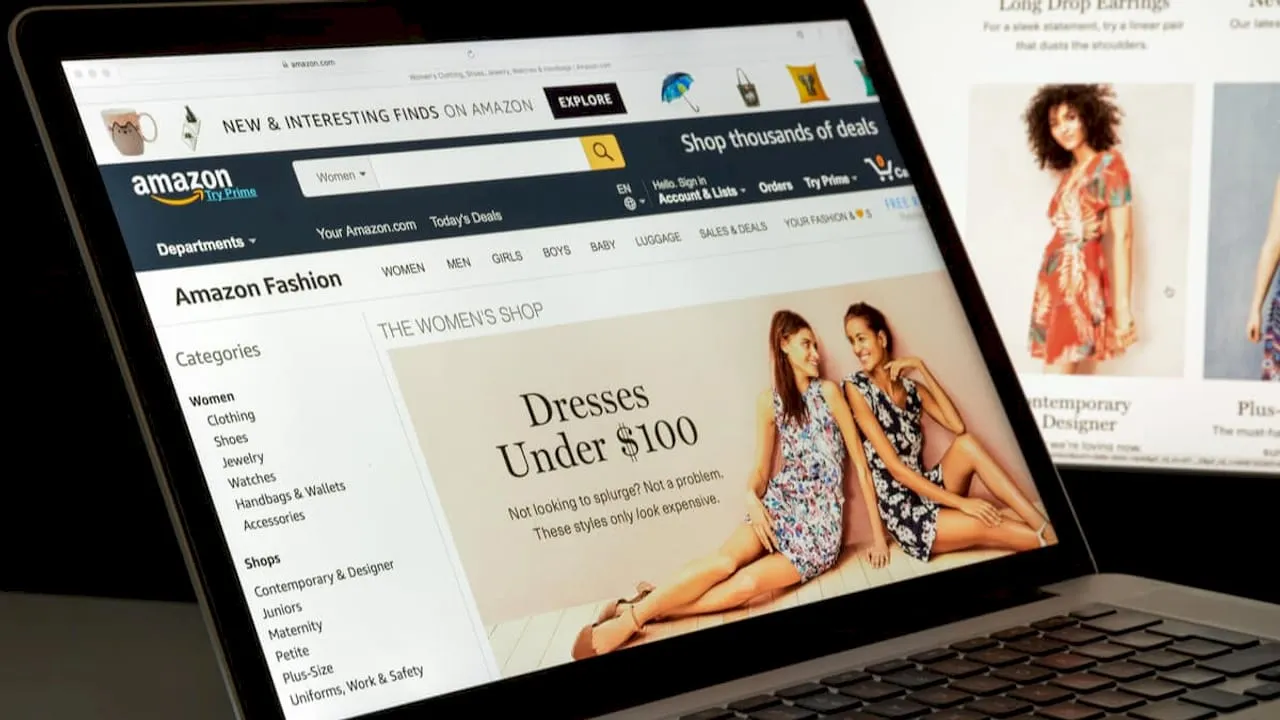
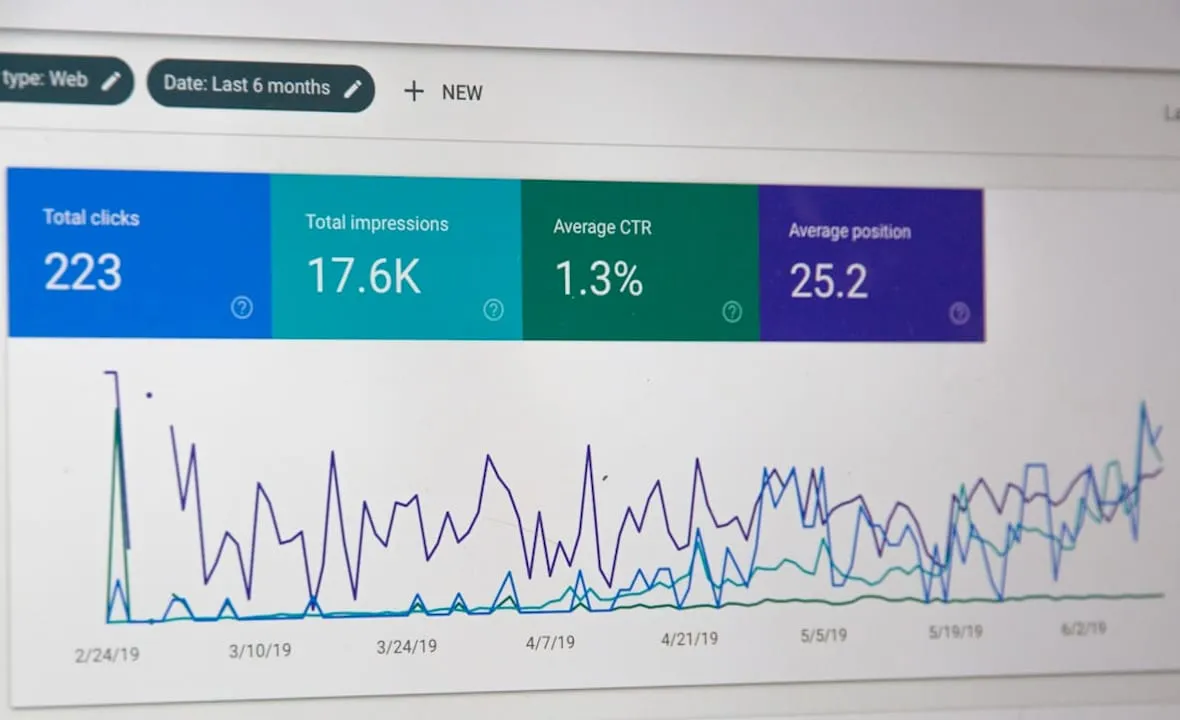
Amazon dominates U.S. ecommerce for good reason. Amazon controls approximately 38% of the U.S. e-commerce market in 2025, offering unmatched reach but higher fees and fierce competition. Success here demands precision and continuous optimization.

Amazon FBA provides Prime shipping advantages that convert browsers into buyers. Prime members spend more per transaction and shop more frequently. However, FBA entails higher fulfillment fees that squeeze margins. You must weigh the conversion lift against the cost increase.
The Amazon advertising platform leverages first party data and sophisticated analytics. Sponsored Products, Brands, and Display ads enable granular targeting. Your strategy should focus on continual listing optimization to stay competitive. High quality images, benefit driven bullet points, and keyword rich titles directly impact visibility and conversion. Unlock Amazon growth by combining creative excellence with data driven account management.
Prime shoppers prioritize fast, reliable fulfillment above almost everything. Meeting those expectations separates winners from also rans. High competition requires constant monitoring of pricing, reviews, and ad performance. You cannot set and forget on Amazon.
Pro Tip: Test different ad formats simultaneously. Run Sponsored Products for direct response, Sponsored Brands for awareness, and Display ads for retargeting to capture shoppers at every funnel stage.
Walmart Marketplace Strategy
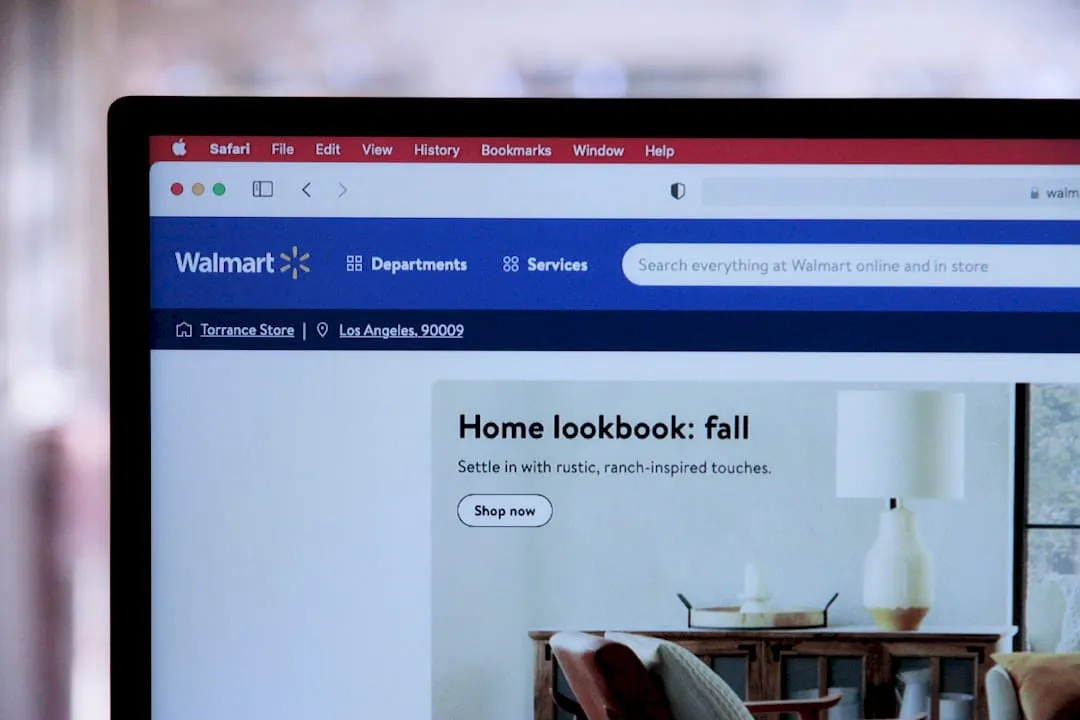
Walmart offers a compelling alternative focused on value and omnichannel convenience. Walmart uses its 4,700 U.S. stores as fulfillment hubs, enabling faster local delivery and reducing last mile costs. This infrastructure advantage translates into better margins for sellers.
Walmart’s hybrid fulfillment model leverages physical stores for pickup and delivery. Lower commission fees and no monthly seller fees improve profitability compared to Amazon. Walmart’s in-store and curbside pickup options increase customer satisfaction by 20%. Shoppers value the flexibility to buy online and retrieve locally.
The Walmart ad platform is smaller than Amazon’s but growing rapidly. It focuses on value conscious shoppers who prioritize price and convenience. Brands selling everyday essentials or products with strong price value propositions thrive here. Walmart listing optimization requires understanding this demographic and tailoring content accordingly.
Walmart targets local and budget minded consumers. If your product competes on value or benefits from local fulfillment speed, Walmart deserves significant attention in your marketplace mix.
Statistic Spotlight: Walmart’s store based fulfillment network reduces last mile delivery costs by up to 30% compared to traditional distribution center models, directly improving seller margins.
Shopify Marketplace Strategy
Shopify empowers brands seeking complete control over their online presence. Shopify enables fully customizable storefronts and direct control over customer data, supporting multi-channel integration. This platform prioritizes brand differentiation over marketplace reach.
Shopify offers brand centric, fully customizable storefronts. You control every aspect of design, messaging, and user experience. Direct ownership of customer data enables targeted email marketing, retargeting campaigns, and loyalty programs. Unlike marketplaces, you build customer relationships that drive lifetime value.
Shopify integrates with multiple sales channels for diversified reach. Sell on Instagram, Facebook, Google Shopping, and other platforms from a single dashboard. This multichannel approach reduces dependency on any single traffic source. Shopify storefront customization combined with creative services and data driven advertising creates competitive moats.
Shopify suits brands prioritizing differentiation and marketing control. If you have strong creative assets and want to own customer relationships, allocate resources here. The tradeoff is lower initial traffic compared to Amazon, requiring investment in paid acquisition and content marketing.
Pro Tip: Use Shopify’s first party data to create custom audiences for Facebook and Google ads. This targeting precision often delivers better ROAS than marketplace advertising where you compete for the same eyeballs.
Fulfillment and Fee Structure Comparison
Understanding fulfillment costs and fee structures reveals the true profitability of each marketplace. Amazon has higher fees but offers Prime shipping advantages; Walmart uses stores to reduce last mile costs; Shopify fulfillment is flexible and brand controlled. Each model presents different tradeoffs.
MarketplaceFulfillment ModelFee StructureSpeed AdvantageMargin ImpactAmazonFBA (Prime)Higher fulfillment fees, referral fees 8-15%1-2 day Prime deliveryLower margins, higher conversionWalmartWFS (Store based)Lower commission 6-15%, no monthly feeLocal pickup, faster regionalHigher margins, growing reachShopifyIndependent (3PL)Transaction fees 0.5-2%, hosting $29-299/moFlexible, brand controlledBest margins, requires marketing spend
Amazon FBA facilitates Prime shipping but comes with higher fulfillment fees. Storage, pick and pack, and shipping costs add up quickly, especially for oversized or slow moving items. However, Prime eligibility dramatically increases conversion rates and average order values.
Walmart Fulfillment Services leverages stores, lowering last mile costs and commission rates. This model works exceptionally well for regional brands or products with local appeal. Ecommerce fulfillment metrics show that store based fulfillment can cut delivery costs by 25% while maintaining satisfaction.
Shopify fulfillment offers independent options with full brand control over shipping. You choose 3PLs, set shipping rates, and manage customer expectations directly. Fee structures impact seller margins differently across marketplaces. Tradeoffs exist between fulfillment speed, cost, and customer satisfaction that require careful analysis.
Advertising and Promotion Strategies
Advertising capabilities vary dramatically across marketplaces, affecting how you drive traffic and conversions. Amazon’s ad platform is mature with advanced targeting and over $50 billion in revenue; Walmart’s ad business grows 28% annually; Shopify integrates creative and data driven marketing. Each platform suits different advertising approaches.
PlatformAd SophisticationTargeting OptionsBest Use CaseAnnual GrowthAmazonHighestKeyword, product, audiencePerformance marketing, direct response20%+WalmartGrowingKeyword, category, demoValue focused campaigns, local targeting28%ShopifyFlexibleCustom audiences, retargetingBrand building, multichannel campaigns15%+
Amazon offers the most advanced advertising targeting and analytics capabilities. Sponsored ads, DSP, and attribution tools provide granular performance insights. You can target by keyword, product, audience, and purchase behavior. This sophistication enables precise ROAS optimization but requires expertise to navigate effectively.
Walmart’s advertising platform is smaller but expanding rapidly, focusing on value shoppers. The platform emphasizes simplicity over sophistication, making it accessible for brands new to marketplace advertising. As Walmart invests in ad tech, expect capabilities to improve significantly. Ecommerce advertising analytics matter less here than clear value propositions and competitive pricing.
Shopify supports flexible, creative marketing solutions integrated with multi-channel sales. You control the creative, messaging, and customer journey. This freedom enables brand building campaigns that marketplace ads cannot match. Ad spend ROI varies by platform and brand goals. Promotional tools impact both direct sales and brand equity differently across channels.
Summary Comparison and Situational Picks
Synthesizing marketplace strategies into actionable recommendations helps you allocate resources confidently. A recommended 70/20/10 resource allocation model aligns with platform strengths to optimize brand growth and ROI. This framework provides a starting point for most brands.
FactorAmazon (70%)Walmart (20%)Shopify (10%)Primary StrengthReach and scaleValue and local fulfillmentBrand control and dataBest ForMass market, high volumeEveryday essentials, regionalPremium, differentiated productsResource PriorityHighest investmentSecondary focusStrategic foundationGrowth PotentialMature, competitiveRapidly expandingLong term customer value
Allocate 70% of resources to Amazon for scale and reach with advanced advertising. Amazon delivers the largest addressable audience and most sophisticated ad tools. This platform should receive your primary investment in advertising, content optimization, and inventory.
Walmart is optimal for value oriented products and local fulfillment advantages. Direct 20% of resources here, especially if you sell consumables, everyday items, or products benefiting from local pickup. Walmart’s fee structure and fulfillment network offer margin advantages that compound over time.
Shopify is ideal for brands valuing brand control and customization. Invest 10% to build owned customer relationships and reduce marketplace dependency. Optimizing ecommerce ROI requires diversification, and Shopify provides the foundation for long term customer lifetime value.
Situational Recommendations:
Achieve Marketplace Success with Nectar’s Expert Services
Navigating marketplace strategies requires expertise, creative excellence, and data driven execution. Nectar delivers all three. Our team specializes in optimizing Amazon, Walmart, and Shopify performance through tailored strategies that align with your brand goals.
We combine profitable brand growth services with proprietary analytics to maximize ROI across every marketplace. Our in-house creative ecommerce services transform listings into high converting storefronts while sophisticated advertising strategies drive sustainable growth. Partner with agency partners for ecommerce success who understand how to efficiently allocate resources and scale smarter. Let Nectar help you implement the 70/20/10 framework and capture market share across Amazon, Walmart, and Shopify.
FAQ
How do I decide which marketplace strategy fits my brand best?
Assess your target audience demographics, available budget, and fulfillment capabilities first. Use a data driven framework that evaluates reach potential, fee structures, and degree of brand control you require. Match platform strengths to your specific product type and growth objectives for optimal results.
What are common mistakes when allocating ecommerce budgets across marketplaces?
Many brands split budgets evenly without analyzing performance data or considering platform fee differences. Another error is ignoring fulfillment costs that significantly impact net margins. Adjust allocation dynamically based on marketplace analytics, conversion rates, and customer acquisition costs rather than using static percentages.
How can fulfillment choices impact customer satisfaction on different marketplaces?
Faster fulfillment options like Amazon Prime dramatically increase repeat purchase rates and customer loyalty. Walmart’s store based fulfillment boosts local delivery speed and satisfaction scores by 20%. Shopify enables flexible fulfillment that can align perfectly with premium brand promises and customer expectations when managed properly.
Is it necessary to use all three marketplaces for growth?
Using all three marketplaces is not mandatory for every brand. Focus resources on marketplaces that align best with your brand objectives and target audience for superior ROI. The 70/20/10 allocation model serves as a strategic starting guideline, but adjust based on your specific product category, margins, and growth stage.
How quickly should I expect results from marketplace strategies?
Amazon typically shows results within 30 to 60 days as advertising campaigns optimize and listings gain traction. Walmart may require 60 to 90 days as the platform’s algorithm learns your products and local fulfillment advantages materialize. Shopify demands longer investment timelines of 90 to 180 days since you must build traffic through paid acquisition and content marketing before seeing consistent conversion patterns.











.png)