TL;DR:
Building operational systems and understanding customer identity are essential for scalable brand growth.
Balancing long-term brand building with sales activation helps avoid the growth treadmill and sustains market share.
Brand scaling tips are actionable frameworks that help physical product brands grow revenue without proportionally increasing costs. The most effective approach combines scalable operational systems with authentic brand identity, then expands market reach through targeted channels. Brands that skip the systems phase and jump straight to paid acquisition end up on a growth treadmill: spending more each quarter just to maintain the same sales volume. The 60/40 budget split between long-term brand building and short-term sales activation is the industry standard for breaking that cycle.

1. What are the best brand scaling tips for e-commerce?
The single most important principle in scaling your brand is this: growth without structure creates chaos, not scale. Brand managers who treat scaling as simply “doing more of what works” consistently hit ceilings they cannot explain. The real answer is building systems that maintain consistency and reduce decision friction as volume increases.
The sections below cover the core pillars of brand growth strategy, from operational structure to AI retrieval authority, with specific tactics you can apply to your physical product brand today.
2. Build a scalable operational structure first
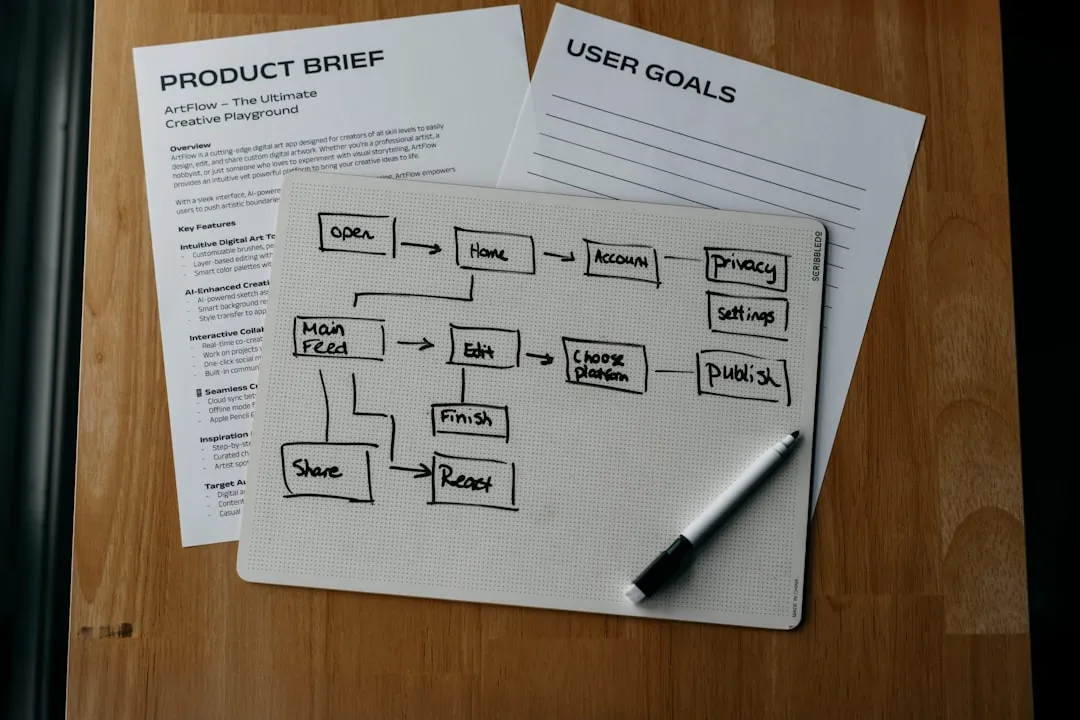
Brand scalability relies on operational systems, not just visual guidelines, to reduce friction and maintain consistency. Most brand managers assume a style guide is enough. It is not. A style guide tells your team what the brand looks like. An operational system tells them how to make decisions without asking for approval every time.
A truly scalable brand structure includes:
-
Positioning clarity: A single, written statement that defines who you serve, what you offer, and why it matters. Every campaign decision traces back to this.
-
Visual hierarchy rules: Defined rules for how brand elements combine across formats, so designers do not reinvent layouts for every new asset.
-
Decision logic: Pre-approved answers to common creative and messaging questions, so teams move fast without breaking brand consistency.
-
Governance protocols: Clear ownership of brand decisions at each level, eliminating the bottleneck of waiting for senior sign-off on routine work.
-
Application systems: Templates for ads, emails, product pages, and social content that encode brand standards into the work itself.
Cross-channel governance allows scaled brand operations without repetitive approvals, maintaining consistency by design. That is the structural difference between a brand that grows and a brand that scales.
Pro Tip: Dedicate two focused weeks to building creative templates for your five most common content types. Teams that do this report exponential efficiency gains in the months that follow, because the decision-making is already baked into the template.
3. Sequence culture and customer intimacy before channel expansion
Identity-related friction is a top unseen cause of brand growth failure. It happens when your marketing channels reach the right people but the messaging does not match how those people see themselves. The result is low conversion, high churn, and ad spend that never compounds.
The fix is sequencing. Culture and customer intimacy must come before marketing channels to avoid this friction. That means doing the work to understand your customer’s identity, not just their demographics, before you scale any channel.
Practical steps for building customer intimacy at scale:
-
Conduct identity interviews: Ask your best customers how they describe themselves, not how they describe your product. The language they use is your messaging.
-
Map cultural context: Understand the communities, values, and reference points your customers belong to. This shapes tone, imagery, and channel selection.
-
Audit for friction: Review your current listings, ads, and emails for any messaging that conflicts with how your customers see themselves.
-
Build customer archetypes: Go beyond personas. Define the identity your customer is trying to express when they buy your product.
Brands that complete this work before scaling paid media see stronger retention and better return on ad spend. The targeting improves because the message fits the audience’s self-image, not just their purchase history.
4. Own your category vocabulary to win AI retrieval authority
Brand strategy that owns category vocabulary builds a moat in the AI age, outperforming feature or price competition. This is the brand growth strategy most managers overlook in 2026. When a potential customer asks an AI engine for a product recommendation, the brand that gets cited is the one that has built retrieval authority through content and structured data.
“Winning the AI retrieval contest is like modern shelf placement for brands. Use JSON-LD, named terminology, and founder content to be cited by AI engines.” — The 2026 Brand Strategy Playbook
Building AI retrieval authority requires three concrete actions. First, publish original research or data under your brand name. AI engines prioritize primary sources. Second, develop named terminology specific to your category. If you name a problem or a method, AI engines associate that term with your brand. Third, create founder-authored content that establishes a public point of view on your category. Named individuals with consistent publishing records earn citation authority faster than anonymous brand accounts.
Building a brand entity surface with JSON-LD structured data, founder content, and publicly authored materials ensures lasting citation authority. This is not a one-time project. Brand strategy in 2026 functions as an ongoing operating loop: publish, get cited, reinforce the vocabulary, repeat.
5. Balance your budget between brand building and sales activation
The 60/40 budget split between long-term brand building and short-term sales activation prevents the growth treadmill. This is the most cited budget framework in modern brand growth strategy, and it applies directly to physical product brands on Amazon, Walmart, and Shopify.
Long-term brand building (60%) includes:
-
Awareness campaigns that create emotional connection with your category
-
Content that builds retrieval authority and organic search presence
-
Brand story assets: photography, video, and editorial content that define your identity
-
Community and loyalty programs that increase customer lifetime value
Short-term sales activation (40%) includes:
-
Direct response ads tied to specific SKUs or promotions
-
Retargeting campaigns for high-intent shoppers
-
Promotional pricing events with clear start and end dates
-
Sponsored product placements on marketplace search results
Mental availability combined with physical availability drives brand growth by linking your brand to multiple buying triggers. Mental availability means your brand comes to mind when a customer enters a buying situation. Physical availability means removing every barrier between that intent and a completed purchase.
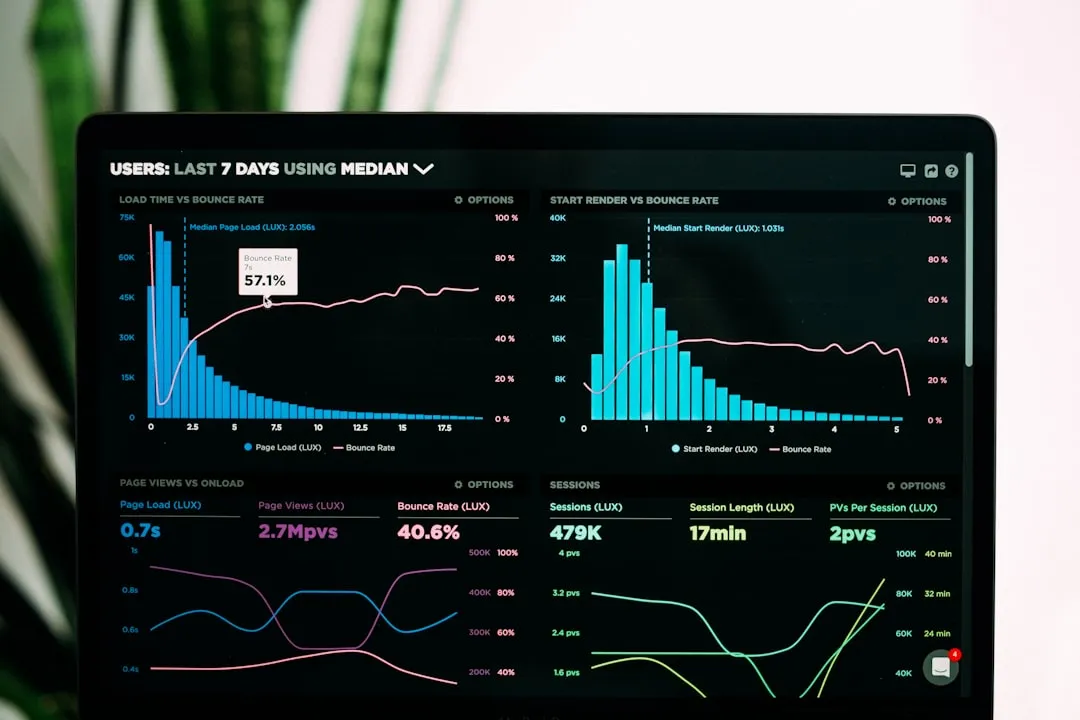
Page speed is a direct measure of physical availability. 70% of consumers say page load speed impacts purchase willingness, and 85% are lost when load time exceeds 5 seconds. That statistic means a slow product page actively destroys the brand equity you built with your 60% investment. Fix the technical friction before scaling the spend.
6. Use Linguistic Voice Mapping to protect brand authenticity at scale
Linguistic Voice Mapping creates measurable, replicable brand voice parameters to protect authenticity at scale. Most brands manage voice through vague adjectives: “friendly,” “authoritative,” “approachable.” Those words mean different things to different writers, which is why brand voice degrades as teams grow.
Linguistic Voice Mapping replaces adjectives with syntax rules. It defines specific Do Say and Don’t Say word lists, sentence length targets, punctuation conventions, and tone boundaries for different content types. A copywriter in a new market can produce on-brand content without a senior review because the rules are specific enough to follow independently.
Systematic brand voice management transforms subjective tone into a measurable syntax, safeguarding brand identity at scale. For physical product brands, this matters most in product descriptions, customer service responses, and ad copy, where inconsistency is most visible to buyers comparing your listings against competitors.
7. Shift from optimization to market-making for true acceleration
True brand acceleration requires market-making to reshape demand, not mere optimization. Most brand managers spend their time optimizing existing channels: improving click-through rates, reducing cost per acquisition, testing ad creative. That work matters, but it produces incremental gains, not acceleration.
Market-making means creating demand that did not previously exist. It means defining a new category, reframing an existing problem, or building a community around a behavior your product enables. Brands that do this successfully stop competing on price and features because they own the frame.
Leadership should evaluate brand strategy by enterprise value, pricing power, and retention, not just quarterly revenue. Those three metrics reveal whether you are building a brand or just running a sales operation. Pricing power, in particular, is the clearest signal that your brand has created genuine differentiation. If you cannot raise prices without losing volume, you have not yet built a brand moat.
For e-commerce brand managers, the practical application is this: identify one belief or behavior in your category that your brand can own. Build content, community, and product development around that belief. Then scale the channels that amplify it.
Key takeaways
Scaling your brand in e-commerce requires operational systems, customer identity clarity, and a budget structure that builds long-term equity while driving near-term sales.
Point
Details
Build systems before scaling spend
Operational structure, templates, and governance prevent brand inconsistency as volume grows.
Sequence identity work before channel expansion
Understanding customer identity removes friction that kills conversion and retention at scale.
Apply the 60/40 budget rule
Allocate 60% to long-term brand building and 40% to sales activation to avoid the growth treadmill.
Own category vocabulary for AI authority
Named terminology, founder content, and structured data build citation authority in AI search engines.
Measure pricing power and retention
These two metrics reveal whether you are building a brand or just running promotions.
Why most brands scale the wrong thing first
Brand managers come to me with the same problem framed a dozen different ways: “We’re spending more on ads but growth is slowing.” The real issue is almost never the ads. It’s that they scaled distribution before they scaled identity.
I’ve watched brands with genuinely good products plateau at $5 million in annual revenue because their operational structure could not support consistent execution across more than two channels. Every new hire required a brand orientation. Every new market required a creative rebuild. The cost of inconsistency was invisible in the P&L but visible in the churn rate.
The brands that break through are the ones that treat brand documentation as a product. They build it, test it, iterate on it, and protect it with the same rigor they apply to their physical product. Linguistic Voice Mapping is not a creative exercise. It’s an operational tool. When your voice is codified, a contractor in a new market produces on-brand copy on day one.
The AI retrieval piece is where I see the biggest gap right now. Brand managers are still thinking about SEO in 2019 terms: keywords, backlinks, domain authority. The citation game has shifted. If your brand does not have a named point of view on your category, published under a real person’s name, you are invisible to the AI engines that are increasingly the first stop in a buyer’s research process. That is a distribution problem, not a content problem.
The brands I respect most are the ones that have made the uncomfortable decision to stop optimizing and start making a market. That requires a clear answer to one question: what does the world look like if your brand wins? If you cannot answer that, you are not scaling a brand. You are scaling a SKU.
— Dan Katona
How Nectar helps brands build for profitable scale
Physical product brands that want to grow on Amazon, Walmart, and Shopify need more than ad spend. They need the operational infrastructure and creative quality to convert that spend into lasting market share.
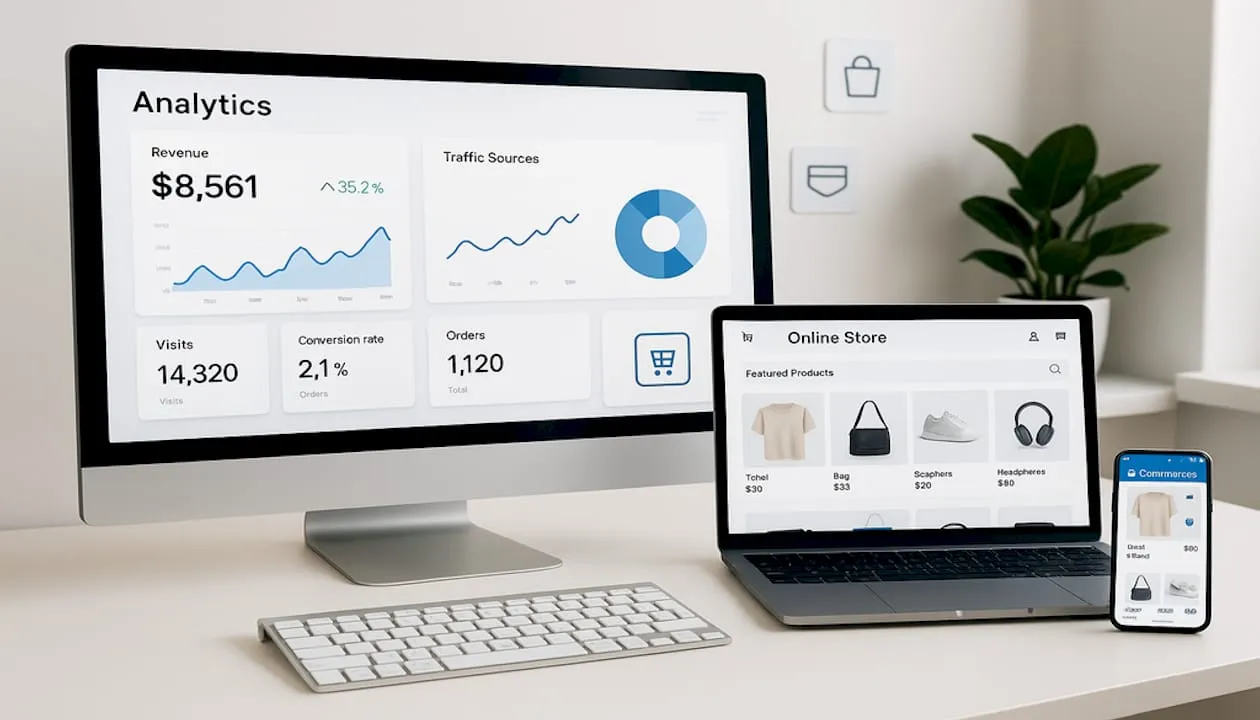
Nectar provides fully managed e-commerce brand growth across the major marketplaces, combining in-house photography, videography, and design with data-driven advertising. The proprietary iDerive analytics platform gives brand managers the granular, full-funnel data needed to make budget decisions with confidence. Whether you are expanding to a new marketplace or rebuilding underperforming listings, Nectar’s team handles execution from creative production through Amazon growth optimization and beyond. The result is profitable growth that compounds, not a treadmill.
FAQ
What is the ideal budget split for scaling a brand?
The standard framework allocates 60% of the marketing budget to long-term brand building and 40% to short-term sales activation. This balance prevents over-reliance on direct response ads, which produce diminishing returns when used alone.
How do you scale a brand without losing its identity?
Linguistic Voice Mapping codifies brand tone into specific word lists, sentence rules, and tone boundaries. This gives any team member a replicable system for producing on-brand content without senior review.
What is identity-related friction in brand growth?
Identity-related friction occurs when marketing messaging does not align with how customers see themselves. It reduces conversion and increases churn, even when targeting and reach are technically correct.
How does AI retrieval authority affect brand scaling?
AI engines cite brands that publish original research, use named terminology, and feature founder-authored content. Brands that build this retrieval presence gain a distribution advantage that compounds over time.
What metrics best measure true brand scaling progress?
Pricing power and customer retention are the clearest indicators. Revenue growth alone can reflect promotions. Pricing power and retention reveal whether the brand has built genuine differentiation in its category.
Recommended



























































.webp)