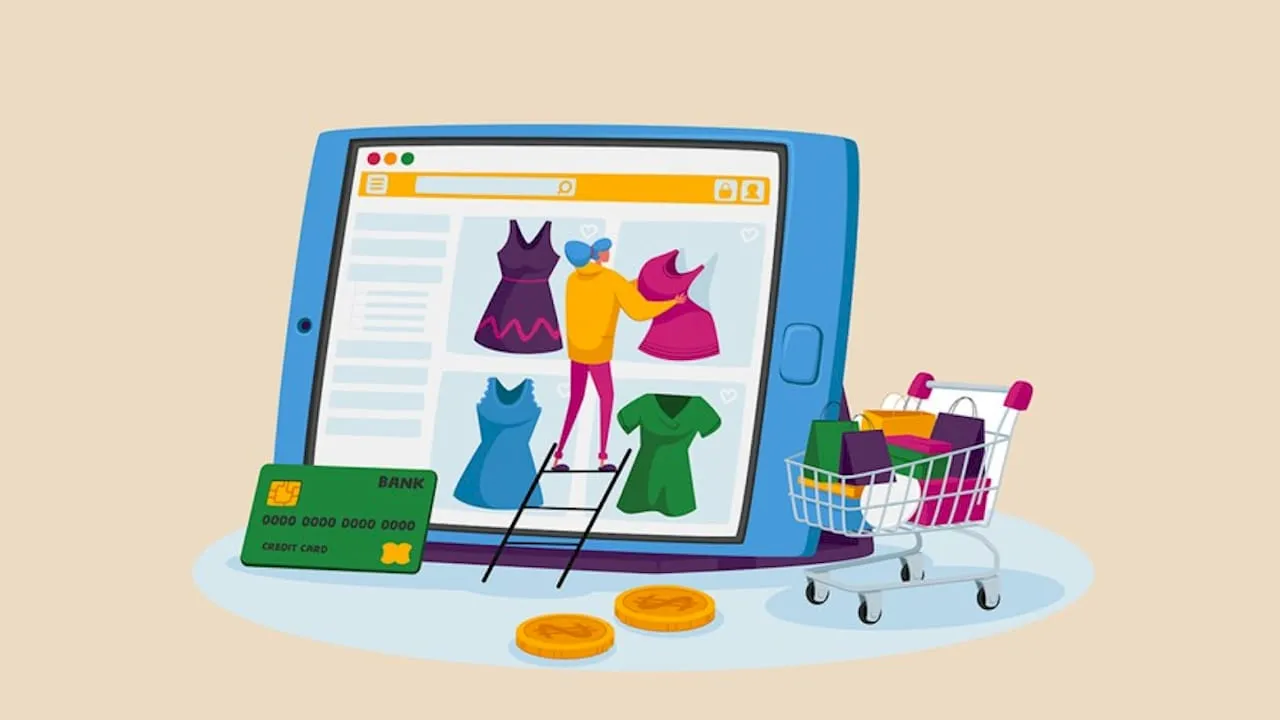
Examples of Upsell Strategies for E-Commerce in 2026
.webp)
TL;DR:
Upselling enhances customer purchases by offering higher-value products or complementary items, significantly increasing revenue.
Effective strategies include post-purchase one-click offers, tiered pricing, product bundling, subscription upsells, and strategic placement, all backed by data.
Upselling is the practice of offering customers a higher-value version of a product they are already buying, or adding complementary items that increase the total purchase value. Done well, it is one of the highest-return tactics available to e-commerce managers. Upselling and cross-selling together account for 10%–30% of total e-commerce revenue, with average order value lifts of 20%–35% achievable within 60 days when three or more techniques are deployed together. That kind of compounding return is why platforms like Shopify, SamCart, and ReConvert have built entire feature sets around upsell workflows. This article breaks down the most effective examples of upsell strategies, with real data behind each one.
1. What are the highest-impact examples of upsell strategies?
The tactics below are ranked by their documented effect on average order value (AOV) and ease of implementation across Shopify, Amazon, and Walmart storefronts.
2. One-click post-purchase upsells
Post-purchase upsells boost AOV by 68% with take rates between 5%–12%. The reason they work so well is friction removal. The customer has already entered payment details and completed checkout. Accepting the upsell requires a single click, with no re-entry of card information. SamCart and ReConvert both offer native one-click post-purchase upsell flows that trigger immediately after the order confirmation. This moment is the single highest-converting placement in the entire customer journey.

Pro Tip: Limit your post-purchase upsell to one offer. Multiple offers at this stage create decision fatigue and reduce take rates.
3. Tier anchoring with good-better-best pricing
Tier anchoring is a psychological framing strategy that simplifies decisions and increases upsell conversion rates. You present three versions of a product or service: a basic option, a mid-tier option, and a premium option. The mid-tier is priced to feel like the obvious smart choice. The premium tier makes the mid-tier look reasonable. The basic tier exists to anchor the comparison, not to drive volume. This structure works across physical products, digital downloads, and SaaS subscriptions. Brands using this framework on Shopify consistently see customers self-select into higher tiers without any additional persuasion.
4. Product bundling and “frequently bought together” offers
Product bundling raises AOV by 25%–30%, with “frequently bought together” bundles generating take rates of 8%–15%. Bundling reduces decision fatigue by presenting a curated combination rather than asking customers to build their own cart. Amazon pioneered this format and it remains one of the most copied upselling techniques in e-commerce. For apparel brands, a bundle might pair a jacket with a matching shirt and belt. For electronics, it might combine a device with a case, screen protector, and charging cable. The key is that every item in the bundle must feel like a natural companion, not a random add-on.
5. Subscription upsells for repeat purchase conversion
Subscription upsells convert one-time buyers into recurring customers, and adoption rates reach 20%–35% when the subscription option is pre-selected with a discount. Amazon’s Subscribe & Save is the most recognized example of this format. The offer appears on the product page with the subscription option already checked, showing the per-unit savings. For consumable goods like supplements, pet food, or skincare, this is one of the most powerful upselling techniques available. You are not just increasing one order. You are locking in predictable revenue across multiple future orders. Brands on Shopify can replicate this model using apps like Recharge or Bold Subscriptions.
Pro Tip: Frame the subscription as a convenience and savings benefit, not a commitment. Language like “skip or cancel anytime” removes the hesitation that kills subscription take rates.
6. Order bumps at checkout
An order bump is a small, low-cost add-on presented directly on the checkout page, typically as a checkbox. It requires no extra page load and no additional decision screens. Common examples include extended warranties, gift wrapping, a digital guide, or a travel-size version of a product. Because the customer is already in purchase mode, the psychological barrier to accepting a $5–$15 add-on is minimal. SamCart popularized this format in the direct-to-consumer space, and it has since become a standard feature in Shopify checkout customization. Order bumps work best when the add-on is priced at 10%–20% of the main product’s value.
7. How do comparison tables and feature-based upsells improve conversion?
Feature-based upsells work by making the value gap between tiers visible and concrete. A comparison table that lists what the premium version includes versus the standard version removes ambiguity. Customers do not upgrade because a product is more expensive. They upgrade because they can see exactly what they gain.
The most effective comparison tables focus on outcomes, not specifications. Instead of listing “500GB storage vs. 1TB storage,” frame it as “store 50,000 photos vs. 100,000 photos.” Outcome framing connects features to real customer life. For guidance on building these visuals for Amazon listings, comparison chart techniques within A+ Content are one of the most underused upsell tools on the platform.
Incremental price framing also matters here. If your standard plan is $49 and your premium plan is $69, do not just show both prices. Show the difference: “Get everything in Standard, plus [feature list], for just $20 more per month.” That reframe makes the upgrade feel like a small decision, not a large one.
8. What role do timing and placement play in upsell success?
The four highest-converting upsell placements in e-commerce are:
-
Product page: Present a premium version or bundle before the customer adds to cart. This is where tier anchoring and comparison tables belong.
-
Cart page: Show cross-sells and “complete the look” suggestions. Cart-page cross-sells see take rates of 15%–25%, making this the second strongest placement.
-
Checkout page: Use order bumps for low-cost, high-relevance add-ons. Keep it to one offer.
-
Post-purchase page: Deploy your highest-value upsell here. The customer is in a buying mindset and payment friction is zero.
Urgency-based offers like limited-time discounts or free gifts above a spend threshold increase upsell conversion by creating scarcity and reward signals. A countdown timer on a post-purchase upsell offer, or a “spend $10 more for free shipping” message in the cart, both activate this response. Use urgency selectively. Overuse trains customers to wait for discounts rather than buy at full price.
Understanding micro-moments in e-commerce is the foundation for getting placement right. Each touchpoint in the customer journey carries a different intent signal, and your upsell offer needs to match that signal to convert.
9. Which upsell tactics fit different business models?
Not every upselling technique works for every product category. Matching the tactic to the business model is what separates effective upsell examples from wasted offer placements.
-
Consumable goods (supplements, coffee, cleaning products): Subscription upsells and tiered quantity discounts work best. A “buy 2, save 15%” offer or a subscribe-and-save option captures the repeat purchase cycle.
-
Digital products (courses, templates, software): Order bumps and premium tier upgrades are the strongest plays. A $27 course with a $47 “done-for-you templates” bump is a classic digital upsell structure.
-
High-ticket items (furniture, electronics, appliances): Strategic downsells and trial offers reduce purchase anxiety. If a customer declines the premium model, offer a lower-tier version or a payment plan rather than letting them leave.
-
Apparel and accessories: “Complete the look” bundles and cross-sells on the product page drive strong AOV lifts. Showing a full outfit rather than a single item increases basket size naturally.
-
SaaS and subscriptions: Annual plan upsells from monthly billing, and feature-tier upgrades triggered by usage limits, are the two most reliable upsell campaign ideas in this category.
The principle across all categories is the same. Successful upselling depends on discretion and customer context. The offer must solve a real problem or improve a real outcome for the customer, not just increase your revenue.
10. How do you implement and measure upsell effectiveness?
Execution without measurement is guesswork. A/B testing upsell placements and tracking the right metrics is what turns a good upsell idea into a repeatable revenue system.
The metrics that matter most are:
-
AOV lift: Compare average order value before and after introducing an upsell. A 20%+ lift within 60 days is a strong signal the offer is working.
-
Take rate: The percentage of customers who accept the upsell offer. Post-purchase upsells typically run 5%–12%. Cart-page offers run 15%–25%. If your take rate falls below 3%, the offer, price, or placement needs revision.
-
Repeat purchase rate: Subscription upsells and bundle offers should increase how often customers return. Track this at 30, 60, and 90 days post-purchase.
Customer segmentation improves upsell relevance significantly. A customer who has purchased three times responds differently to an upsell than a first-time buyer. Use purchase history data to personalize offers. Shopify’s native analytics, combined with tools like Klaviyo for segmented email upsells, give you the data layer needed to run this kind of personalization at scale. Incremental improvements compounded over time are what separate brands that grow AOV sustainably from those that rely on one-off promotions.
Key takeaways
The most effective upsell strategy combines the right offer type with the right placement at the right moment in the customer journey.
Point: Post-purchase upsells deliver the highest AOV lift
Post-purchase one-click offers generate up to a 68% AOV lift with zero payment friction for the customer.
Point: Tier anchoring drives self-selection into higher tiers
Good-better-best pricing frames the mid-tier as the obvious choice, reducing the need for persuasion.
Point: Bundling cuts decision fatigue and lifts AOV by 25%–30%
Curated “frequently bought together” bundles increase perceived value and simplify the buying decision.
Point: Subscription upsells convert one-time buyers into recurring revenue
Pre-selected subscription options with a discount achieve adoption rates of 20%–35%.
Point: Measurement and A/B testing separate guesswork from growth
Track AOV lift, take rate, and repeat purchase rate, then iterate based on what the data shows.
Why post-purchase upsells are the most underrated tool in your stack
Most e-commerce managers I work with spend the majority of their upsell budget on product page placements and cart-page cross-sells. Those placements matter. But the post-purchase page is where I consistently see the biggest gap between potential and actual performance.
The psychology is straightforward. A customer who just completed a purchase is in a state of commitment. They have already decided they trust your brand enough to buy. The cognitive resistance to spending more is at its lowest point in the entire journey. Yet most brands either ignore this moment entirely or fill it with a generic “thank you” message.
The brands I have seen execute this well treat the post-purchase page as a second storefront. They test one focused offer, price it at a natural complement to the original purchase, and remove every possible friction point. No re-entering payment details. No navigating to a new page. One click.
What I find equally underused is the combination of good-better-best pricing frameworks with outcome-focused copy. Most tier anchoring implementations list features. The ones that convert list outcomes. “Get your order in 2 days instead of 5” outperforms “Priority shipping included” every time.
My honest advice: before you add another upsell placement, audit the one you already have. Most brands are leaving money on the table not because they lack tactics, but because the offers they have are not specific enough to the customer’s actual situation.
— Dan Katona
How Nectar helps e-commerce brands build upsell systems that scale
Building upsell flows that actually convert requires more than picking the right app. It requires creative assets that communicate value clearly, data infrastructure that identifies the right offer for the right customer, and testing discipline that turns early results into repeatable systems.
Nectar’s full-service growth solutions cover every layer of this, from listing optimization on Amazon and Walmart to full-funnel Shopify strategy. The agency’s iDerive analytics platform surfaces the customer behavior signals that make personalized upsells possible at scale. If you want to see what this looks like in practice, Nectar’s Shopify case study walks through how a brand restructured its entire purchase journey to increase AOV and repeat purchase rate simultaneously.
FAQ
What is the most effective upsell strategy for e-commerce?
Post-purchase one-click upsells are the highest-converting placement, with AOV lifts up to 68% and take rates of 5%–12%. They work because payment friction is eliminated after the initial checkout.
How do you upsell without annoying customers?
Successful upselling focuses on customer outcomes rather than product features, and limits offers to one per touchpoint. Relevance and timing matter more than frequency.
What is tier anchoring in upselling?
Tier anchoring presents three product or pricing options where the mid-tier is positioned as the obvious value choice. The premium tier justifies the mid-tier, and the basic tier anchors the comparison.
How do you measure whether an upsell strategy is working?
Track AOV lift, take rate, and repeat purchase rate at 30, 60, and 90 days. A take rate below 3% signals the offer, price, or placement needs revision.
Which upselling techniques work best for subscription products?
Pre-selected subscription options with a visible discount achieve adoption rates of 20%–35%. Amazon’s Subscribe & Save is the benchmark model for this format.
Recommended







































.webp)