Intraday Bid Optimization Explained for E-Commerce Marketers
.webp)

TL;DR:
- Intraday bid optimization involves dynamically adjusting bids based on hourly performance signals to target high-converting windows. It improves ad efficiency by reallocating budget from low-intent hours to peak demand times, reducing waste and increasing ROAS. Effective implementation requires analyzing historical data, selecting meaningful time segments, and aligning bid strategies with available platform controls.
If your ad campaigns run on a single fixed bid from midnight to midnight, you are leaving real money on the table. Intraday bid optimization is the practice of adjusting your bids dynamically throughout the day based on performance signals, consumer behavior, and demand patterns. Rather than treating all hours equally, it recognizes that a shopper searching for running shoes at 8 PM on a Thursday converts very differently than the same search at 2 AM. Understanding this distinction is the foundation of every high-performing paid advertising strategy in 2026.
Key takeaways
What it means in practice
Intraday bid optimization means changing bids hour by hour, automatically or manually, to concentrate budget on your highest-converting windows.
Manual and automated approaches both work
You can apply time-of-day bid multipliers manually in Google Ads or let AI-driven tools like Smart Bidding and demand-led pacing handle adjustments for you.
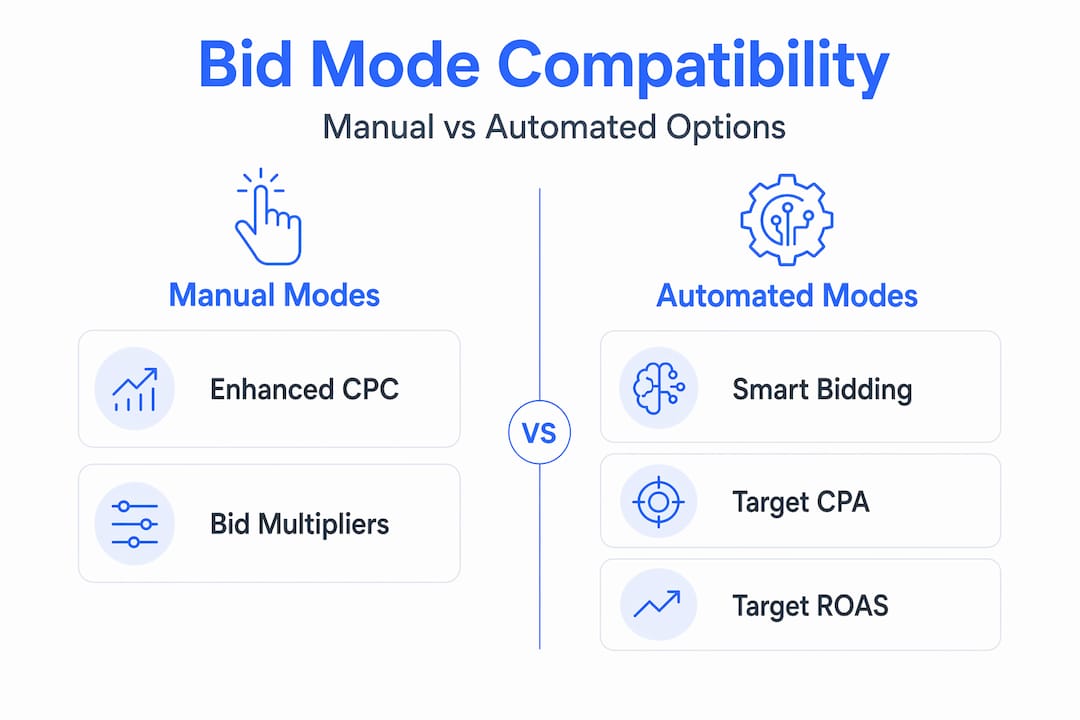
Compatibility matters more than most marketers realize
Manual time-of-day adjustments only work with specific bidding modes. They do not layer onto Target CPA or Target ROAS without breaking the strategy.
Reporting lag is your biggest hidden enemy
Dashboard data can be 2 to 6 hours behind real activity, so reactive bid changes based on what you see right now are almost always chasing old data.
Measurement drives improvement
Tracking ROAS, CPA, and conversion rate by hour gives you the segmentation data needed to refine your intraday schedule over time.
What is intraday bid optimization and how it works
At its core, intraday bid optimization means you are not locked into one bid for the entire day. You are applying multipliers or automated signals that push bids up during high-value hours and pull them back when traffic is cheap but conversion rates are low.
The most accessible version of this is dayparting, sometimes called time-of-day scheduling. You define specific hours or time blocks and apply a percentage-based multiplier to your base bid. In Google Ads, time-of-day bid adjustments can range from negative 90% to positive 900%, giving you enormous flexibility to concentrate budget on peak demand windows.
Here are the core mechanics you need to understand before you start adjusting anything:
-
Bid multipliers apply a percentage increase or decrease on top of your base bid for a defined time window, like boosting bids by 40% between 7 PM and 10 PM.
-
Pacing controls how your daily or monthly budget spreads across the day. Without pacing controls, aggressive intraday bids can exhaust your budget before peak hours even arrive.
-
Auction-time bidding goes further than simple schedules. Platforms like Search Ads 360 combine intraday adjustments with auction-time signals to factor in device, location, and user context alongside the time of day.
-
Demand-led pacing is Google’s AI approach, introduced more prominently in 2026, where the system automatically reallocates budget within your set limits to favor high-demand periods without requiring manual schedule setup.
-
Rule-based bid automation lets you create conditional triggers, such as increasing bids by 20% if the conversion rate for the past three hours exceeds a threshold.
Understanding how bids connect to budgets is equally important. You can have perfect intraday multipliers set up and still underperform if your daily budget runs out at 3 PM, missing the evening surge entirely.
Why intraday bid optimization matters for e-commerce brands
E-commerce advertising is not evenly distributed across the day. Consumer shopping behavior clusters around specific windows: lunch breaks, post-work evenings, and weekend mornings. Spending the same amount to reach a potential buyer at 4 AM as you do at 8 PM is a structural inefficiency that compounds over thousands of daily auctions.

The financial case is straightforward. When you reallocate budget away from low-intent hours and concentrate it on proven converting windows, your cost per acquisition drops without any change to your total spend. On Amazon, Coty saw a 28% improvement in ROAS after implementing DSP bid adjustments that blended automated logic with advertiser-defined rules. That kind of gain does not come from creative changes or new keywords. It comes from bid timing.
Better matching of bids to purchase intent also reduces one of the quieter budget killers in e-commerce advertising: impressions that cost real money but never had any realistic chance of converting. A shopper browsing casually at midnight is categorically different from someone who just finished reading product reviews and is ready to buy. Your bids should reflect that difference.
“The goal of intraday bid optimization is not to win more auctions. It’s to win the right auctions at the right price.”
Pro Tip: Before setting up any intraday schedule, pull 90 days of hourly conversion data from your ad platform and map it to a simple heat map by day and hour. The patterns in that data should dictate your bid multiplier schedule, not assumptions about when you think customers shop.
One often-missed benefit is budget protection. Pulling bids down during low-converting hours does not mean going dark. It means you preserve budget for when it actually produces returns. For brands managing ad spend across Amazon, Walmart, and Shopify, this kind of cross-channel hourly discipline can dramatically improve total portfolio efficiency.
How to implement intraday bid optimization effectively
Getting intraday bid optimization working in practice requires a decision about how much control you want to hold versus how much you delegate to the platform. Neither extreme is inherently right. The most effective setups combine both.
Here is a step-by-step workflow for getting started with manual time-of-day adjustments in Google Ads:
-
Pull hourly performance data. Export at least 60 to 90 days of conversion rate, CPA, and ROAS by hour of the day. Look for consistent patterns, not one-off spikes.
-
Identify your bid windows. Segment your day into three to five distinct periods based on performance clusters. Avoid creating a new adjustment for every single hour because that level of granularity is hard to maintain and hard to read.
-
Set bid multipliers proportionally. Match the multiplier size to the performance gap. If your 7 PM to 10 PM window converts at twice the rate of your average, a 40% to 60% bid increase is reasonable. Start conservative and test upward.
-
Simulate the impact first. Google Ads’ bid simulator lets you model how changes will affect impressions, clicks, and cost before you commit. Use it every time.
-
Monitor pacing alongside bid changes. A bid increase at 7 PM is useless if your daily budget ran out at 2 PM. Adjust daily budget ceilings or use campaign total budgets to give pacing flexibility.
-
Check bidding mode compatibility. Time-of-day adjustments do not work with Smart Bidding strategies like Target CPA or Target ROAS. They are compatible with manual CPC and Maximize Clicks. Know your mode before you build a schedule.
-
Review and iterate every two to four weeks. Consumer behavior shifts. The schedule that worked in Q4 may not match Q2 patterns.
For teams that want automation without losing strategic control, advanced bidding strategies that combine auction-time bidding with intraday schedules offer a middle path. The AI handles micro-level bid decisions while your schedule provides the macro-level guardrails.
Pro Tip: If you are running Smart Bidding and want intraday control, use audience bid adjustments tied to remarketing lists rather than time-of-day multipliers. This is a workaround that keeps Smart Bidding intact while still letting you influence bids during high-intent windows.
Google’s demand-led pacing represents the most hands-off version of this. Advertisers using campaign total budgets saw a 66% reduction in manual budget adjustments compared to those using standard daily budgets. The system allocates automatically toward demand spikes without breaching your caps.
Challenges and nuances you need to know about
Intraday bidding sounds clean on paper. In practice, several friction points catch even experienced marketers off guard.
-
Reporting lag is real and consequential. Performance data in most ad platforms arrives with a delay of 2 to 6 hours. If you make reactive bid changes based on what the dashboard shows at noon, you are likely responding to 8 AM data. Leading indicators, like impression share trends and click velocity, are more reliable signals for near-real-time decisions.
-
Budget and bid decisions are linked, not separate. Raising bids during peak hours while keeping a tight daily cap creates a ceiling that defeats the purpose. You have to balance bid adjustments with budget pacing to make the strategy work end to end.
-
Manual adjustments and Smart Bidding are mostly incompatible. Time-of-day multipliers are not layerable onto fully automated Smart Bidding modes. Forcing manual controls onto an automated system typically degrades performance for both approaches.
-
Over-segmenting your schedule adds noise. Twelve different bid windows with marginal differences between them create management overhead without proportional performance gain. Three to five meaningful windows work better.
-
Seasonal and external shifts require recalibration. A schedule built on summer data will misfire in November. Shopping events like Black Friday, Prime Day, and back-to-school season change the hourly patterns substantially.
Understanding bid management as a discipline, not just a feature toggle, changes how you approach these constraints. The goal is a living system that you review regularly rather than a one-time setup you leave running for months.
Measuring and improving your intraday bid strategy
Setting up intraday bid adjustments is only the first move. The performance gains compound when you build a measurement loop around them.
-
Track conversion rate by hour as your primary diagnostic metric. This is the cleanest signal for whether your bid schedule is aligned with actual consumer behavior.
-
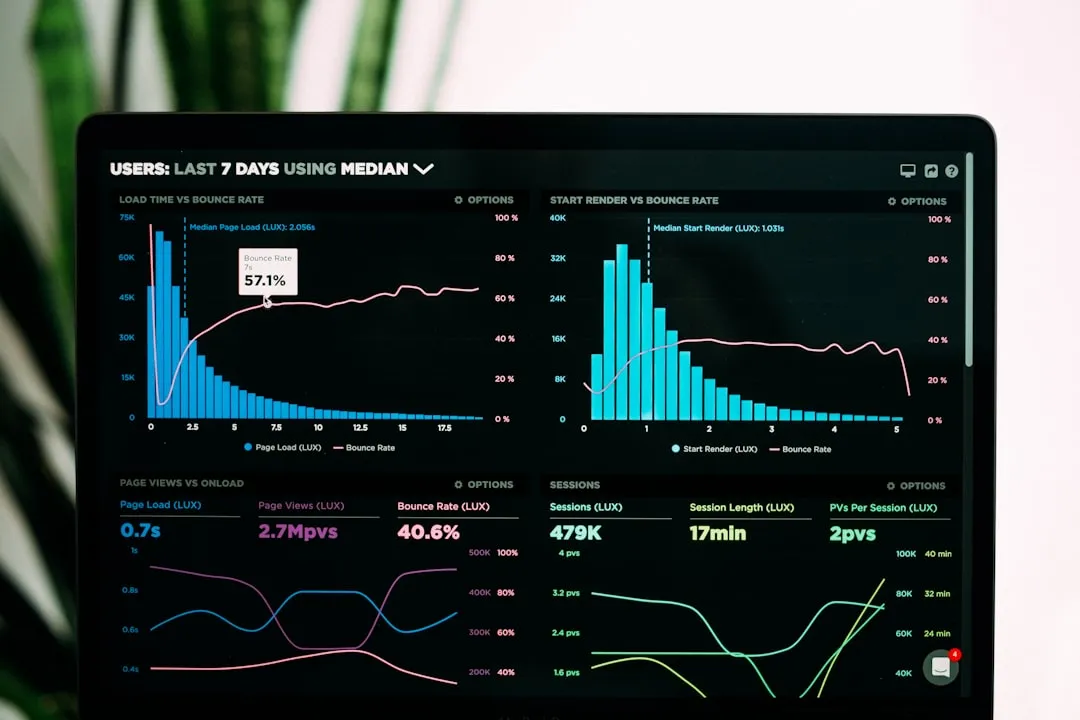
Monitor ROAS and CPA by time segment, not just overall campaign averages. Overall numbers hide the gaps that intraday adjustments are designed to fix.
-
Use pivot analysis to find patterns across day of week and hour simultaneously. Friday evenings may behave very differently from Tuesday evenings, even within the same hour band.
-
Watch impression share lost to budget by hour. If you are losing impression share during your highest-converting windows, that is a signal to revisit your budget allocation before touching bids.
-
Run scheduled bid experiments rather than live changes. Most platforms support bid strategy experiments that let you test new schedules against your control without risking your full campaign budget.
Nectar’s proprietary iDerive analytics platform is built specifically for this kind of granular analysis, giving brands the segmentation depth to identify which hours are quietly draining budget and which ones are being underserved.
My honest take on intraday bid optimization
I have worked with enough e-commerce advertising accounts to tell you that the most common mistake is not failing to set up intraday bid adjustments. It is setting them up incorrectly and then trusting them too much.
The concept of reacting to real-time data sounds compelling. But in practice, you are almost never actually looking at real-time data. You are looking at data that is hours old, and the bids you change in response will not take effect instantly either. I have seen brands make aggressive intraday adjustments based on a slow morning, only to exhaust their budget before the evening peak they were trying to protect.
What actually works is building schedules from historical patterns, running them consistently, and reviewing them on a cadence. The ecommerce ad budgeting decisions that support your bid schedule matter just as much as the bid multipliers themselves.
The AI-driven tools in 2026 are genuinely good at demand pacing. They are worth trusting for the tactical micro-adjustments. Where human judgment still wins is in the strategic layer: which product lines deserve bid protection during peak windows, how seasonal calendars should shift the whole schedule, and when to pull back aggressively to protect margin. Those calls require a marketer, not an algorithm.
My advice is to treat intraday bid optimization as a system you design, not a feature you activate. The difference between those two mindsets shows up clearly in the numbers within a few weeks.
— Dan Katona
How Nectar helps you master bid timing
Understanding intraday bid optimization is one thing. Building a system that executes it profitably across Amazon, Walmart, and Shopify simultaneously is another challenge entirely.

Nectar’s fully managed advertising services are built around exactly this kind of precision. The iDerive analytics platform surfaces hourly performance patterns across all your active channels, giving the team the data foundation to build bid schedules grounded in real purchase behavior rather than guesswork. Whether you are growing on Amazon, scaling Shopify campaigns, or expanding your Walmart presence, Nectar’s advertising strategists handle the bid management, budget pacing, and continuous optimization that keeps your spend working hardest during your highest-value windows. Explore Nectar’s full service offerings to see how data-driven bid optimization fits into a full-funnel growth strategy for your brand.
FAQ
What is intraday bid optimization?
Intraday bid optimization is the practice of adjusting advertising bids throughout the day based on performance signals, consumer demand, and time-of-day patterns to concentrate budget on high-converting windows and reduce waste during low-intent hours.
How do intraday bid adjustments work in Google Ads?
Google Ads allows time-of-day bid multipliers ranging from negative 90% to positive 900% on compatible bidding modes. These adjustments increase or decrease your base bid during defined hourly windows based on your historical performance data.
Can intraday bid optimization work with Smart Bidding?
Time-of-day bid multipliers are not compatible with Smart Bidding strategies like Target CPA or Target ROAS. For automated campaigns, Google’s demand-led pacing handles intraday reallocation automatically within your daily or monthly budget caps.
What metrics should I track for intraday bid performance?
Focus on conversion rate, ROAS, and CPA segmented by hour of day. Impression share lost to budget by time window is also a critical signal for identifying whether your bid schedule is aligned with your budget structure.
How often should I update my intraday bid schedule?
Review your schedule every two to four weeks and recalibrate ahead of major shopping events or seasonal shifts. Consumer behavior patterns change enough across quarters that a schedule built on one season’s data will underperform in another.
Recommended
.png)