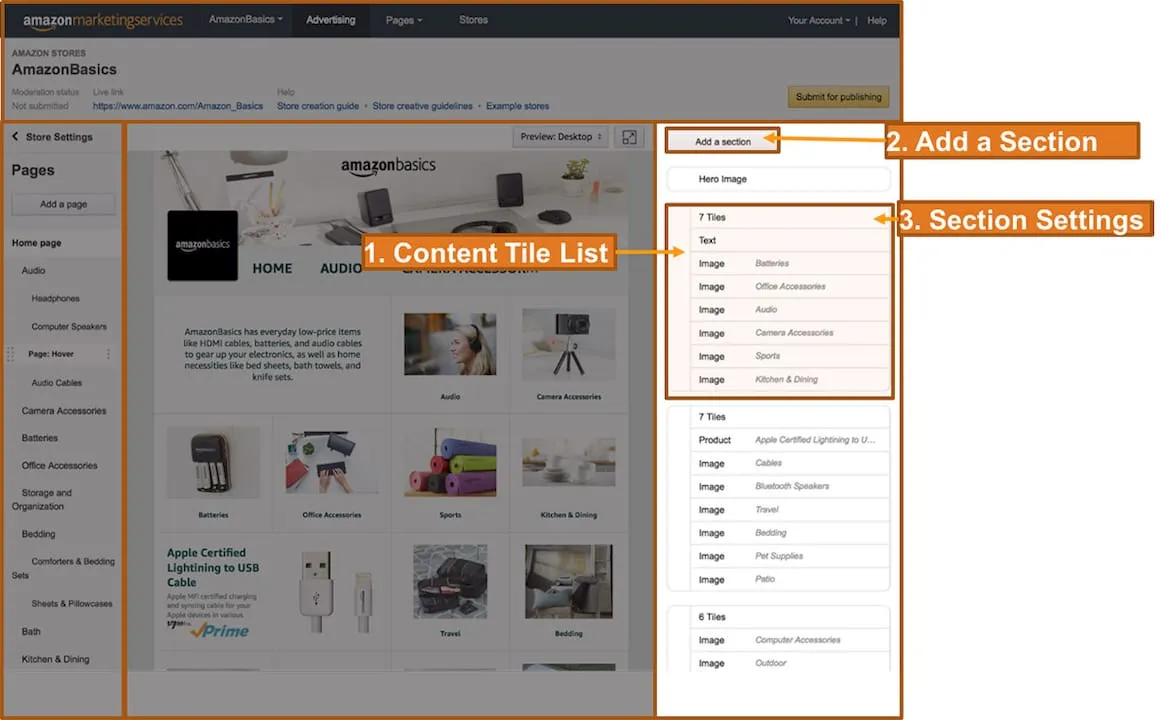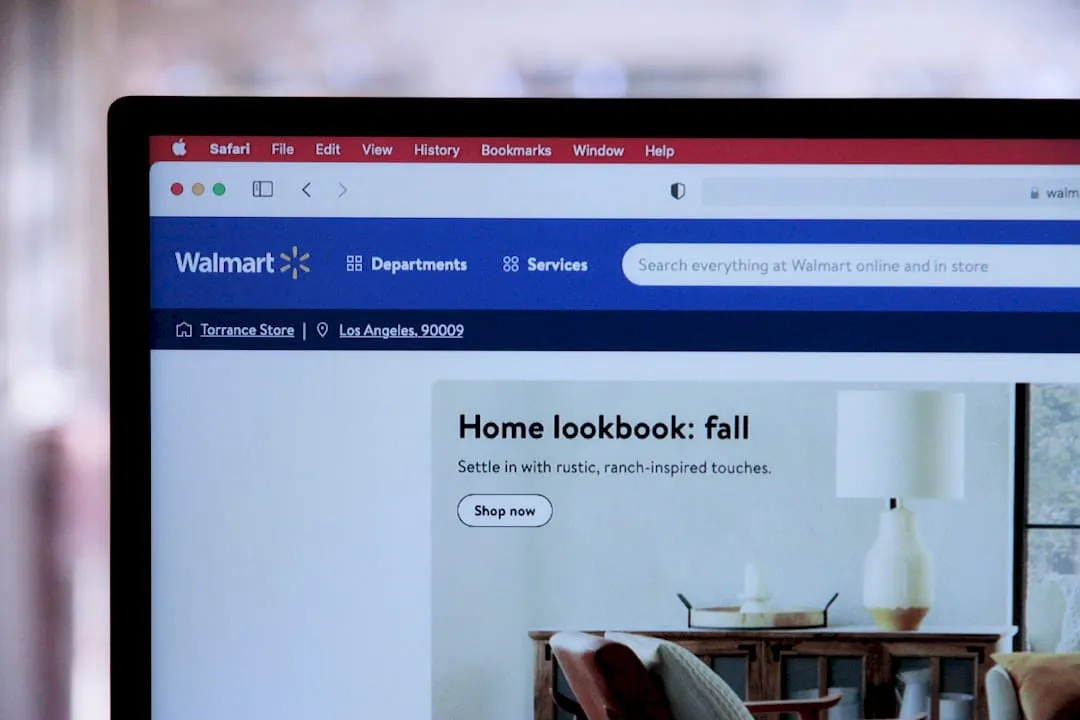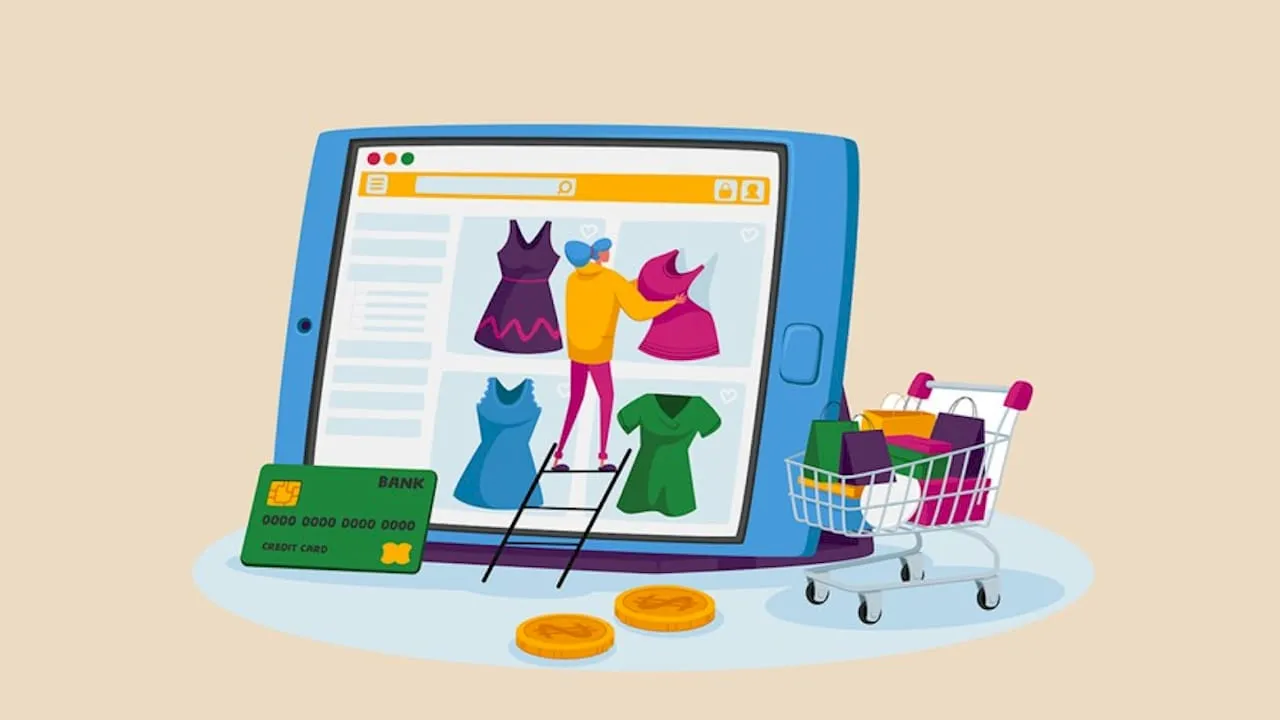
Selling on a single marketplace is a single point of failure. Cross-platform selling benefits include materially higher revenue, access to distinct buyer audiences, and a resilience buffer against the policy changes and fee hikes that any one platform can impose without notice. Multi-marketplace sellers generate significantly more revenue than single-marketplace sellers, and that lift compounds when operations are centralized. Brands like those managed by Nectar across Amazon, Walmart, and Shopify consistently see that the revenue upside is real, but it only holds when the operational backend keeps pace with the channel count.
The short version:
The verdict: if your supply is stable, your margins can absorb channel fees, and you have a fulfillment plan, expanding to two or more platforms is worth doing now.
The core cross-platform selling benefits, ranked by business impact
1. You reach buyer pools that simply don’t overlap
Amazon’s 200+ million Prime members skew toward convenience and speed. Etsy’s audience actively searches for handmade, vintage, and one-of-a-kind goods. Poshmark’s community is built around social discovery and resale. These are not the same people shopping the same way. Between 42% and 73% of consumers use multiple channels during a single shopping journey, which means a buyer who finds you on Facebook Marketplace may later purchase again on your Shopify storefront — but only if you exist in both places.

Listing on a second or third platform is not redundancy. It’s coverage.
2. Revenue diversification protects you from platform-specific shocks
Amazon can suspend a listing, change its search algorithm, or raise FBA fees with 30 days’ notice. Walmart Marketplace can adjust its take rate. eBay can shift its promoted listings model. Any of these moves can cut a single-channel seller’s revenue overnight.
When volume is spread across three channels, a 30% drop on one platform is a bad week, not a business crisis. That’s the practical definition of channel diversification, and it’s the reason multichannel ecommerce is now treated as an operational necessity rather than a growth experiment.
3. Cross-channel marketing drives higher customer lifetime value
Marketing that deliberately moves existing customers across channels increases lifetime value because consistent availability and coherent policies reduce friction at every touchpoint. A buyer who purchases on Amazon and then receives a retargeting ad for your Shopify store, where they can subscribe and save, is worth significantly more over 12 months than a buyer who only ever transacts on one platform.
This “availability effect” is why retail media advertising across platforms compounds rather than cannibalizes. You’re not splitting the same customer’s wallet; you’re expanding how often and how much they spend with you.
4. You can test new products and price points faster
Launching a new SKU on a secondary platform before committing to full Amazon inventory is one of the most underused advantages of multi-channel selling. eBay’s auction format gives you real-time price discovery. Etsy tells you whether a product resonates with premium craft buyers. Facebook Marketplace shows local demand signals.

A 30-day pilot on a low-fee platform costs almost nothing in setup time and gives you conversion data that no amount of internal forecasting can replicate.
5. Operational leverage: more revenue, not more headcount
Adding a channel to a centralized operation is not the same as adding a channel to a fragmented one. When inventory, orders, and catalog data live in a single system, a new marketplace integration is a configuration task, not a hiring event. Centralized order dashboards and bidirectional sync can cut fulfillment time by 50–70% and reduce manual data entry by 40–60%. That efficiency is what makes multi-platform expansion genuinely scalable rather than just theoretically attractive.
Pro Tip: Before adding a third channel, audit whether your current two-channel operation runs cleanly. If you’re manually reconciling inventory daily, fix that first. The operational debt compounds with every channel you add.
6. Brand awareness grows from multiple listing touchpoints
Every product listing is a brand impression. A buyer who sees your product on Amazon, then on Walmart, then in a Facebook Marketplace search, builds familiarity before they ever click. That recognition shortens the consideration phase and tends to lift conversion rates when they do land on your listing.
There’s an SEO dimension here too. Product listings on multiple platforms generate backlinks, brand mentions, and social commerce signals that contribute to organic search visibility for your Shopify or DTC storefront.
7. Platform-specific pricing and merchandising flexibility
Amazon rewards competitive pricing and fast fulfillment. Etsy buyers expect premium positioning and story-driven product descriptions. Poshmark’s social dynamic favors bundle offers and “make an offer” mechanics. These are not the same merchandising playbook, and treating them as identical is a margin leak.
Selling across platforms lets you test price ladders, exclusive SKUs, and bundle configurations that would be impossible to run on a single channel. A product that sells at $29 on Amazon might command $45 on Etsy with the right creative and copy. That’s not price gouging; it’s audience-matched positioning.
8. Access to platform-specific fulfillment and advertising ecosystems
FBA gives you Prime eligibility and Amazon’s logistics network. Walmart Fulfillment Services (WFS) offers comparable two-day delivery with lower competition for the buy box. eBay’s Global Shipping Program opens international demand without requiring you to manage customs. Each ecosystem has advertising products too: Amazon Sponsored Products, Walmart Connect, and eBay Promoted Listings all operate on different auction dynamics, which means your ad dollar goes further on less-saturated platforms.
9. Aggregated data makes your whole operation smarter
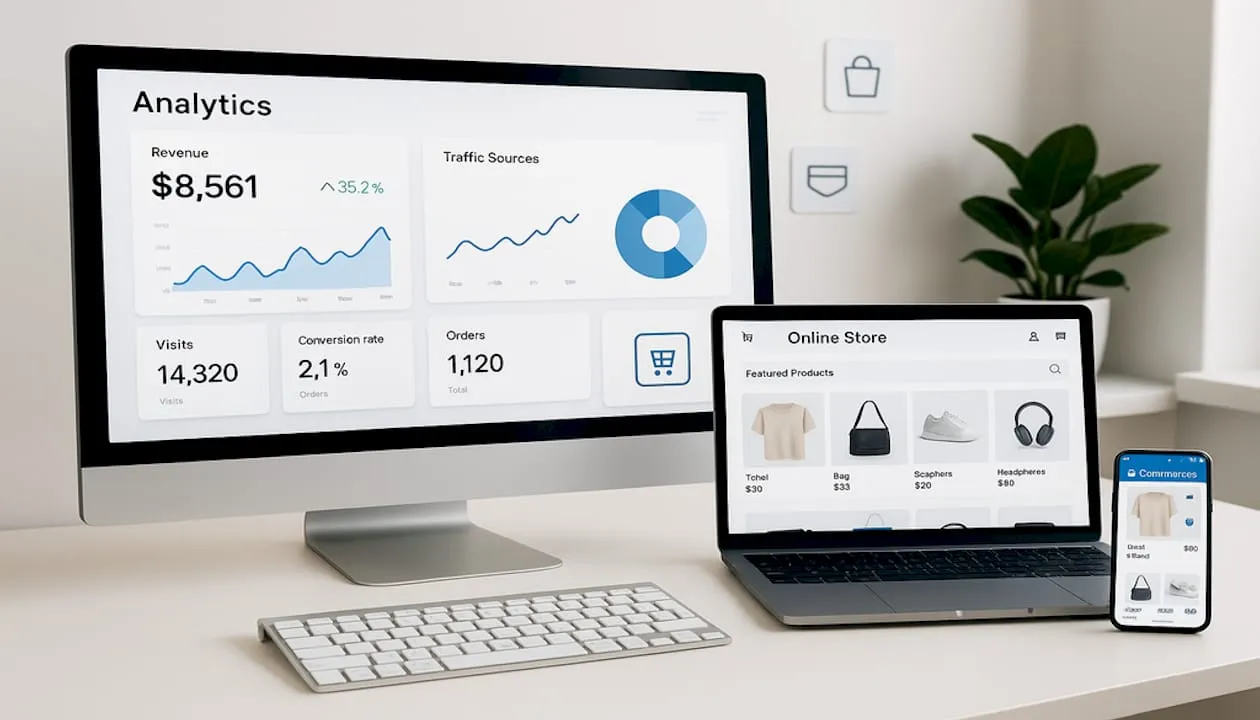
Running on three platforms gives you three data streams: conversion rates by audience, return rates by product type, AOV by channel, and CAC by acquisition source. That aggregated signal is more reliable than any single-channel view. You’ll spot which SKUs over-index on Etsy but underperform on Amazon, which tells you something about the product’s positioning, not just its quality. Nectar’s iDerive analytics platform is built specifically to surface these cross-channel signals and translate them into media allocation and assortment decisions.
10. Improved customer lifetime value from multi-channel conversion paths
A customer acquired on Poshmark for $18 who later discovers your Shopify store and subscribes to a replenishment product is worth 3–5x the initial transaction. The research on multi-channel shopping effects is clear: consistent availability and coherent policies across channels reduce friction and increase how often buyers return. The cross-channel conversion path is not accidental; it’s a designed outcome of deliberate omnichannel strategy.
What the data actually shows about multi-platform revenue lift
The 156% revenue premium for sellers on three or more marketplaces is the headline figure, but the mechanism behind it matters more than the number. It’s not simply that more listings equal more sales. It’s that multi-platform presence creates compounding effects: more discovery touchpoints, more retargeting pools, and more data to optimize against.
Consider a mid-market apparel brand generating $2M annually on Amazon. Adding Walmart Marketplace as a secondary channel with 15–20% of Amazon’s volume adds $300–400K in incremental revenue with minimal new inventory cost, because the SKU catalog already exists. Adding a Shopify DTC storefront as a third channel captures the highest-margin segment: direct buyers who bypass marketplace fees entirely.
That three-channel architecture, Amazon as the volume engine, Walmart as the reach extender, and Shopify as the margin maximizer, is the distribution pattern Nectar sees working repeatedly for mid-market brands.
The availability effect reinforces this. Marketing campaigns that encourage multi-channel shopping convert single-channel buyers into more valuable customers by removing friction and creating consistent experiences across touchpoints. The marginal cost of an additional channel is low once the backend is centralized; the marginal revenue is not.
Pro Tip: Model your revenue by channel before you expand. If Amazon represents more than 70% of your ecommerce revenue, you’re not diversified — you’re concentrated. The goal is no single channel above 50% of total volume.
The operational pitfalls that turn benefits into losses
Listing is the easy 10%; the operational backend is the hard 90%. Most multi-channel failures trace back to one of five system-level problems, not bad products or weak demand.
Operational drift
When inventory, pricing, and content are managed separately per platform, they diverge. A price update on Amazon doesn’t propagate to Walmart. A stockout on eBay doesn’t trigger a hold on Etsy. Operational drift is the primary failure mode at scale, and it’s almost always caused by fragmented systems rather than human error.
Polling-based inventory sync
If your inventory system checks stock levels on a schedule (every 15 minutes, every hour), you will oversell during traffic spikes. Overselling during high-volume periods is caused by polling-based sync; the enterprise fix is API/webhook-driven real-time sync with SKU-level reservation. Inventory sync errors are a primary cause of overselling and cancellations and directly damage account health scores on Amazon and Walmart.
Fragmented catalog and content
Each platform has its own content requirements: Amazon’s A+ Content, Walmart’s Rich Media, eBay’s item specifics. Managing these from separate spreadsheets creates version drift and compliance failures. A Product Information Management (PIM) system with storefront-level overrides solves this. For brands with 2,000+ SKUs, a PIM reduces maintenance overhead and localization errors significantly.
Fragmented returns handling
Returns processed per-platform with no central visibility create customer service gaps and inventory inaccuracies. A central returns inbox with templated responses per platform protects account health and keeps inventory counts accurate.
Tax compliance gaps
Selling on multiple platforms in multiple states triggers sales tax nexus obligations under South Dakota v. Wayfair. Most major marketplaces (Amazon, Walmart, eBay, Etsy) collect and remit marketplace facilitator taxes in states where they qualify, but your Shopify DTC channel does not. A tax engine like TaxJar or Avalara handles this automatically; manual tracking at scale is not viable.
The core systems stack you need:
Pro Tip: Start with a shared inventory pool across all channels, then move to segmented allocation (reserving units per channel) once you have 90 days of channel-level sell-through data. Segmenting too early locks up inventory you could be selling.
How to expand to multiple platforms without breaking operations
The sellers who scale cleanly follow a staged rollout. The ones who list everywhere at once and then scramble to fix oversells and account warnings are the cautionary tales.
Week 1–2: Pre-launch readiness
Month 1: Pilot launch
Quarter 1: Evaluate and scale
Typical cost buckets to model before launch:
Which platform should you prioritize first?
The right answer depends on what you sell and what your margin profile looks like. Here’s a practical breakdown.
Amazon: volume and conversion, at a cost
Amazon is the default starting point for most product categories. Its buyer intent is high, its fulfillment infrastructure (FBA) is mature, and its advertising ecosystem is the most developed of any marketplace. The trade-off is fees: FBA costs plus the referral fee can consume 25–35% of revenue on lower-margin products. Nectar’s Amazon services are built around extracting margin from that environment through listing optimization, retail media, and inventory forecasting.
Best for: Consumer goods, electronics, supplements, home goods, and any product where Prime eligibility drives conversion.
Walmart Marketplace: lower competition, growing reach
Walmart’s take rates are generally lower than Amazon’s, and its seller base is less saturated. The platform’s audience skews toward value-conscious buyers, and its two-day delivery program (WFS) is increasingly competitive with Prime. For brands already on Amazon, Walmart is typically the highest-ROI second channel.
Best for: Consumer staples, household goods, apparel, and any category where Walmart’s in-store brand equity translates online.
Shopify: highest margin, full data ownership
A Shopify DTC storefront keeps 97–98% of revenue (minus payment processing) and gives you full customer data for email, SMS, and retargeting. The trade-off is traffic acquisition cost: you own the channel but you have to build the audience. Treat Shopify as the margin maximizer and brand home, not the volume driver.
Best for: Brands with repeat-purchase products, subscription potential, or strong organic/social audiences.
eBay: auctions, used goods, and niche demand
eBay’s auction format is genuinely useful for price discovery on new SKUs and for moving excess or refurbished inventory. Its buyer base skews toward deal-seekers and collectors. For most new product launches, eBay is a tertiary channel, but for used goods, vintage, and specialty categories, it’s often the primary one.
Etsy: premium buyers for craft and handmade
Etsy’s audience pays a premium for uniqueness and story. If your product has a handmade, artisan, or custom angle, Etsy buyers will pay 30–50% more than the same product commands on Amazon. The platform’s search algorithm rewards recency and reviews, so consistent listing activity matters.
Poshmark and Facebook Marketplace: social-native, low-fee entry points
Poshmark’s social mechanics (sharing, following, offers) make it a strong channel for apparel, accessories, and lifestyle goods. Facebook Marketplace has near-zero listing fees and reaches local buyers, making it useful for bulky items where shipping costs are prohibitive.
Quick platform-to-product matching:
For multichannel selling tips specific to mid-market brands, the sequencing matters as much as the platform choice.
Common mistakes that stall multi-platform growth
Listing everywhere at once
The instinct to maximize coverage immediately is understandable and almost always counterproductive. Each new platform requires platform-specific content, fulfillment configuration, and account monitoring. Launching five channels simultaneously with no operational controls is how sellers accumulate account warnings and oversell events in the first 60 days. Stage the rollout; add one channel at a time.
Treating each channel as an independent business
Separate spreadsheets per platform, separate pricing decisions, separate content versions. This works until it doesn’t, and it breaks at the worst possible time: during a peak period when inventory is moving fast. Centralize catalog ownership and inventory management from day one, even if the tooling is simple.
Ignoring platform-specific buyer expectations
Amazon buyers expect two-day shipping and a no-questions-asked return policy. Etsy buyers expect handwritten notes and custom packaging. Poshmark buyers expect fast responses to offers. Applying Amazon’s fulfillment SLAs to Etsy or Poshmark creates negative reviews that are hard to recover from. Write platform-specific PDPs and set shipping SLAs that match each platform’s buyer norms.
Underestimating the fee stack
A product with a 40% gross margin on Amazon may have a 15% margin after FBA fees, referral fees, and ad spend. Running the same math on Walmart, eBay, and Etsy before you list prevents the unpleasant discovery that a channel is unprofitable at scale. Model margins by channel before committing inventory.
Not tracking channel-level KPIs
Aggregate revenue is a vanity metric when you’re selling across platforms. What matters is CAC, AOV, return rate, and contribution margin per channel. Without channel-level tracking, you can’t tell whether a channel is growing your business or just moving volume at a loss. Set up unified analytics before you scale, not after.
Key Takeaways
Selling across multiple platforms delivers measurable revenue lift, audience diversification, and operational resilience, but only when centralized inventory, real-time sync, and platform-specific content management are in place before you scale.
PointDetailsMulti-platform revenue liftSellers on 3+ marketplaces generate 156% more revenue than single-marketplace sellers, per ecosire data.Operations before channelsCentralized OMS and real-time sync must precede channel expansion; polling-based sync causes overselling at scale.Platform sequencingStart with one complementary platform, pilot 10–20 SKUs for 30–90 days, then evaluate before adding a third channel.Fee modeling is non-negotiableModel contribution margin by channel before listing; Amazon FBA plus referral fees can consume 25–35% of revenue on lower-margin products.Nectar’s managed approachNectar manages Amazon, Walmart, and Shopify operations end to end, including OMS integration, listing optimization, and cross-channel analytics via iDerive.
What actually separates brands that scale from brands that stall
The conventional wisdom on multi-channel selling focuses on the listing side: more platforms, more visibility, more sales. That framing is not wrong, but it’s incomplete in a way that causes real harm. The brands that stall are almost never stalled because they chose the wrong platforms. They stall because they treated channel expansion as a marketing decision when it’s actually an operations decision.
The pattern is consistent. A brand adds Amazon, then Walmart, then Etsy, each time by copying the existing catalog and setting up a new account. For the first six months, it works. Then a traffic spike causes an oversell on Amazon. The inventory count is wrong on Walmart because the sync is polling-based. The Etsy listings have stale pricing because no one updated them after a cost increase. The brand is now managing three channels with three separate problems, and the operational debt is compounding faster than the revenue.
The brands that scale cleanly do something different: they treat the first channel expansion as an infrastructure project. They build the OMS, the centralized catalog, and the real-time sync before they list on the second platform. That investment feels slow in month one. By month six, it’s the reason they can add a fourth channel in a week instead of a quarter.
The other thing most articles miss: brand consistency across platforms is not a creative problem, it’s a systems problem. Inconsistent product titles, mismatched pricing, and varying return policies across channels erode buyer trust in ways that don’t show up in any single platform’s analytics. They show up in aggregate: lower repeat purchase rates, higher return rates, and declining review scores across the board. A PIM with per-channel content overrides solves this. A spreadsheet does not.
For mid-market brands specifically, the right first investment is not the most sophisticated platform. It’s unified inventory ownership, a reliable OMS, and professional listing optimization that meets each platform’s content standards. Everything else follows from that foundation.
Nectar manages the complexity so you can focus on growth
Multi-channel expansion delivers the revenue lift and audience diversification this article describes, but the operational architecture required to sustain it is where most mid-market brands hit a ceiling. Nectar’s fully managed services cover the full stack: Amazon marketplace management, Walmart Marketplace growth, and Shopify DTC operations, all integrated with OMS setup, real-time inventory sync, and professional listing optimization across every channel.

The iDerive analytics platform gives your team unified cross-channel reporting and incrementality measurement, so you know exactly which channels are driving profitable growth and which are moving volume at a loss. Nectar’s creative studio handles platform-specific content (A+ Content, Rich Media, Etsy PDPs) so your listings meet each platform’s standards without a separate production workflow.
If you’re ready to move from a single-channel operation to a multi-platform architecture that actually scales, explore Nectar’s managed services and request a readiness audit. The conversation starts with your current channel mix and margin profile, and ends with a prioritized roadmap.
Useful sources for deeper reading
The research and operational guidance in this article draws from the following sources. Each is worth reading in full if you’re planning a multi-channel expansion.
Research and operational playbooks:
Academic research:
Nectar resources for follow-up:
Vendor documentation to consult next:
Recommended



































































.webp)