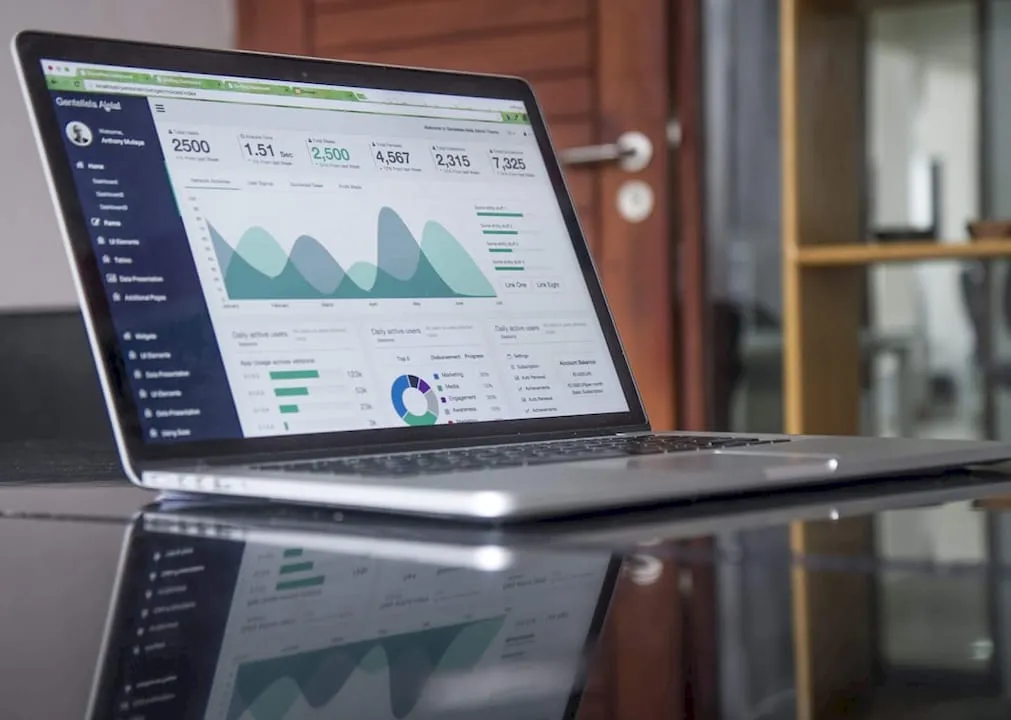
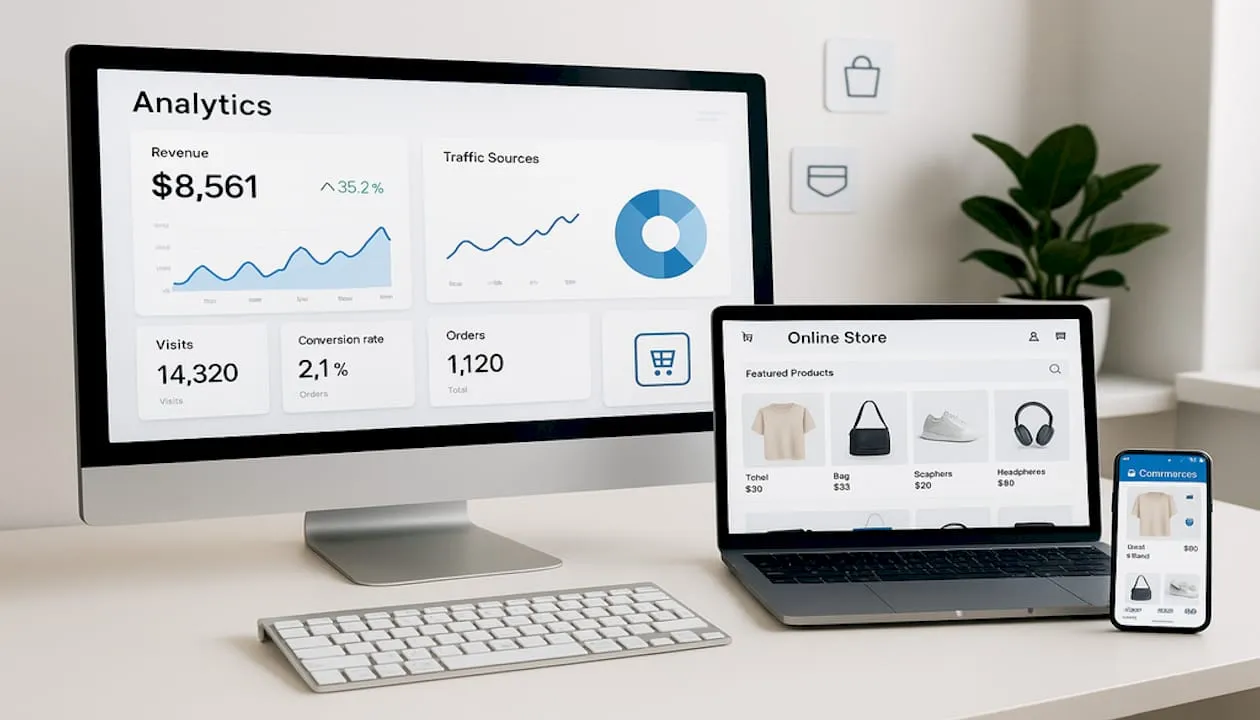
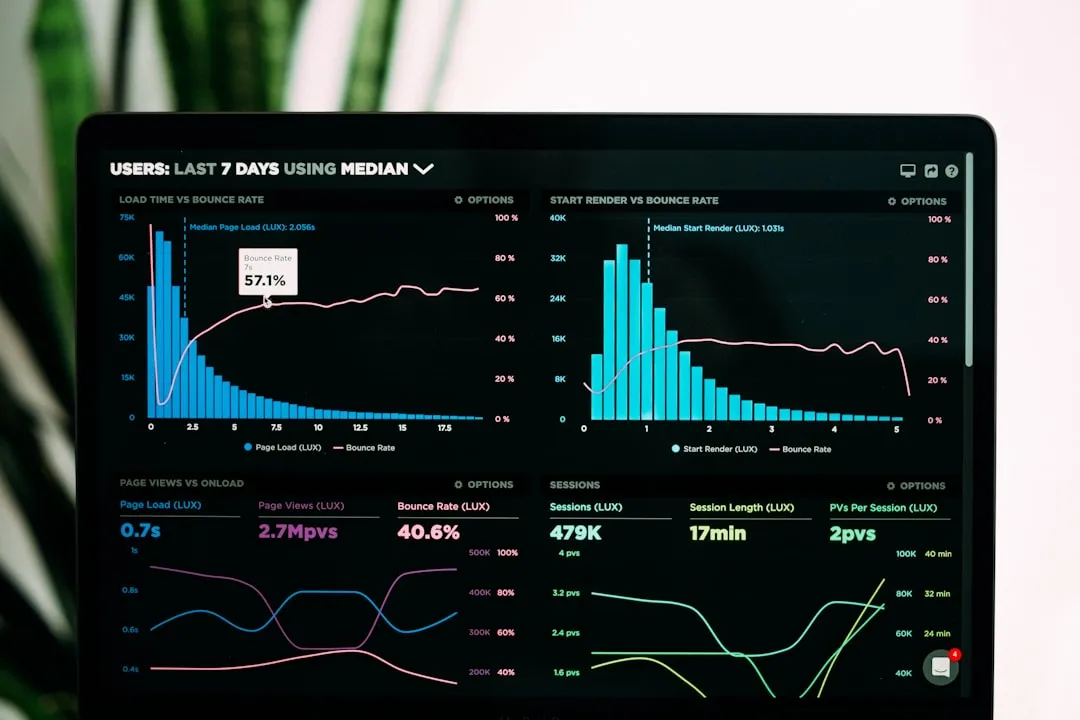
Walmart Luminate is Walmart Data Ventures’ first-party analytics suite that gives suppliers a single source of truth to turn shopper signals into merchandising and media actions. It unifies omnichannel data across Shopper Behavior, Channel Performance, and Customer Perception, plus newer tools like Digital Landscapes and Scintilla. Suppliers who treat these signals as a trigger for action, not just a dashboard to review, see faster assortment fixes and sharper Walmart Connect targeting.
TL;DR:
- 90% of Walmart’s largest suppliers have adopted the paid Charter tier, which unlocks deeper modules, audience exports, and historical comparisons essential for data-driven decisions.
- The core modules provide insights on shopper switching behavior, shelf-level performance, and customer satisfaction, enabling faster operational responses and targeted marketing.
- Digital Landscapes and Scintilla enable pre-purchase discovery tracking and real-time in-store actions, reducing cycle times from insights to execution to days.
- Turning Luminate signals into actionable campaigns requires assigning ownership, selecting key signals, and establishing measurement cycles for operational and media improvements.
- Integrating Luminate with analytics platforms like iDerive and external data sources enhances the ability to connect insights to sales and advertising outcomes across the retail ecosystem.
What Walmart Luminate is and why first-party data matters
Walmart Data Ventures built Luminate to give suppliers omnichannel insights into shopper behavior, channel performance, and customer perception from one platform rather than scattered reports. The pitch is simple: Walmart sees every tender swipe, every online cart, every in-store no-pick. That beats a third-party panel extrapolating from a sample, because the signal comes straight from the transaction, not a projection built around it.

That distinction matters for budget decisions. A media plan built on syndicated estimates can be a few weeks stale by the time it reaches a planner. A plan built on Luminate reflects what actually sold at the register yesterday.
Access splits into two tiers:
- Basic gives suppliers a free Channel Performance view with limited depth and no API access.
- Charter is the paid subscription that unlocks the full module set, audience exports for Walmart Connect, and deeper historical comparisons.
By 2024, 90% of Walmart’s largest suppliers had signed up for Charter, which signals that enterprise teams consider the paid tier close to a baseline cost of doing business rather than an optional upgrade.
The three core modules and what each one answers
Luminate organizes around three modules, and each answers a different question a brand manager actually asks.
Shopper Behavior tells you who is buying, how often, and whether they are switching from a competing item. It covers purchase trends, category penetration, and basket composition, which is the module most teams pull first when deciding where to defend share.

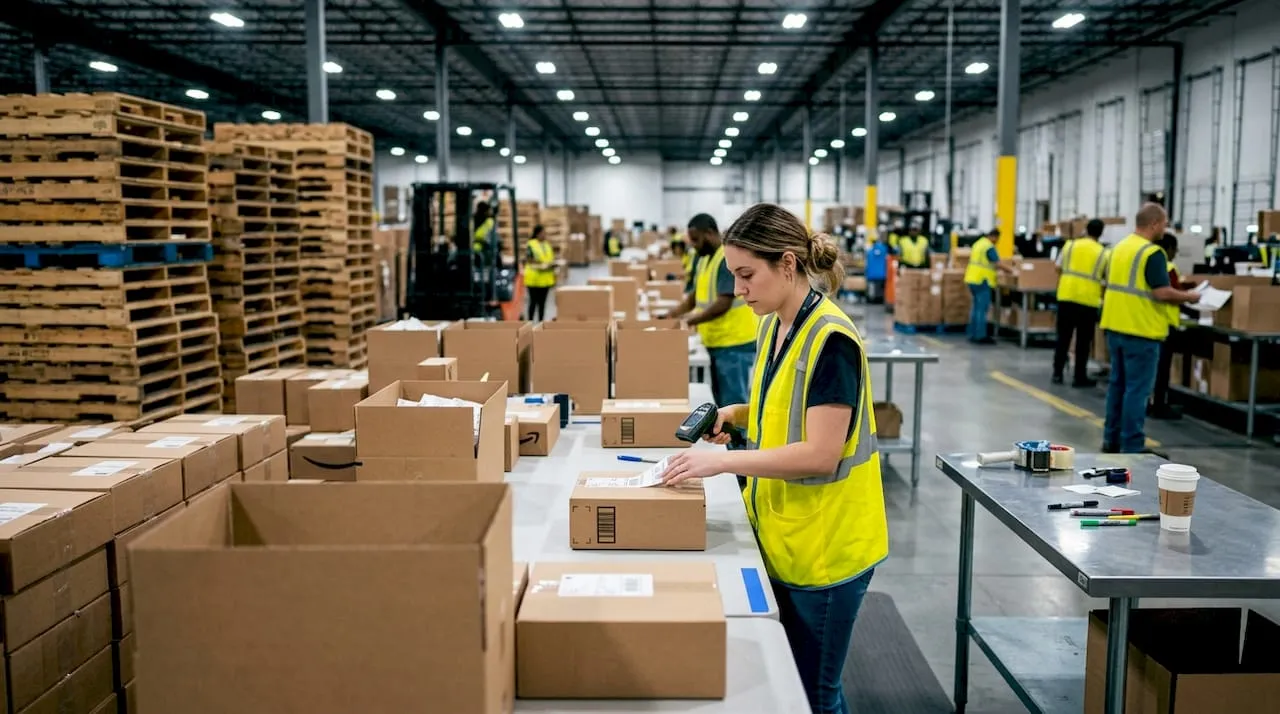
Channel Performance tracks what happened at the shelf and the digital storefront: store-level and online sales, inventory position, no-pick rates, and online pickup and delivery (OPD) performance. This is the operational module, the one that flags a stockout before a store manager calls it in.
Customer Perception brings in verified purchaser panels, surveys, and qualitative feedback, filling the gap the other two modules cannot: why a shopper bought, switched, or walked away.
- Shopper Behavior: switching rates, basket share, repeat purchase trends.
- Channel Performance: in-stock rate, no-picks, OPD fulfillment speed.
- Customer Perception: satisfaction scores, open-ended feedback themes.
90% of Walmart’s largest suppliers had adopted the paid Charter tier as of 2024, a sign that the deeper module access most teams need sits behind the paid subscription rather than the free Basic plan, according to Walmart’s own launch announcement.
Digital Landscapes and Scintilla extend insight into action
Two additions push Luminate past retrospective reporting. Digital Landscapes is a self-serve tool that shows off-site shopper behavior before purchase: where a shopper first encountered a product, what search terms led them in, and how engagement trends before conversion. It launched in beta in June 2024, widening the funnel view so budget can move earlier in the path to purchase instead of only chasing last-click credit.
Scintilla connects those insights to execution, and Scintilla In-Store extends that further to the field. Scintilla In-Store launched in February 2026 to give field reps real-time, item-level visibility so they can act on the same signals a brand manager sees on a screen.
- Digital Landscapes: surfaces discovery sources and pre-purchase engagement trends.
- Scintilla: links media and in-store signals to prioritized actions.
- Scintilla In-Store: puts shelf-level tasks in front of field reps as they happen.
Together, these tools close the gap between seeing a problem in a report and fixing it on the floor.
How suppliers put Luminate data to work
Public examples show the range of outcomes brands pursue with this data.
- Product innovation: DUDE Wipes has used Scintilla to inform category entry research, applying shopper and assortment signals to decide where a new item could win shelf space.
- Operational fixes: Teams pull Channel Performance no-pick and OPD data to flag stores with chronic out-of-stocks, then route restocking or forecasting fixes before the issue shows up in sales.
- Media optimization: Charter suppliers can activate Luminate-sourced audiences directly in Walmart Connect Display campaigns, replacing broad targeting with segments built from actual purchase behavior.
The common thread across these examples is cycle time. Brands that connect a Luminate signal to a specific owner and a specific action tend to move from insight to decision in days, not the weeks a quarterly business review would take, and they report tighter in-stock rates and better-performing media as a result.
A practical checklist for turning signals into action
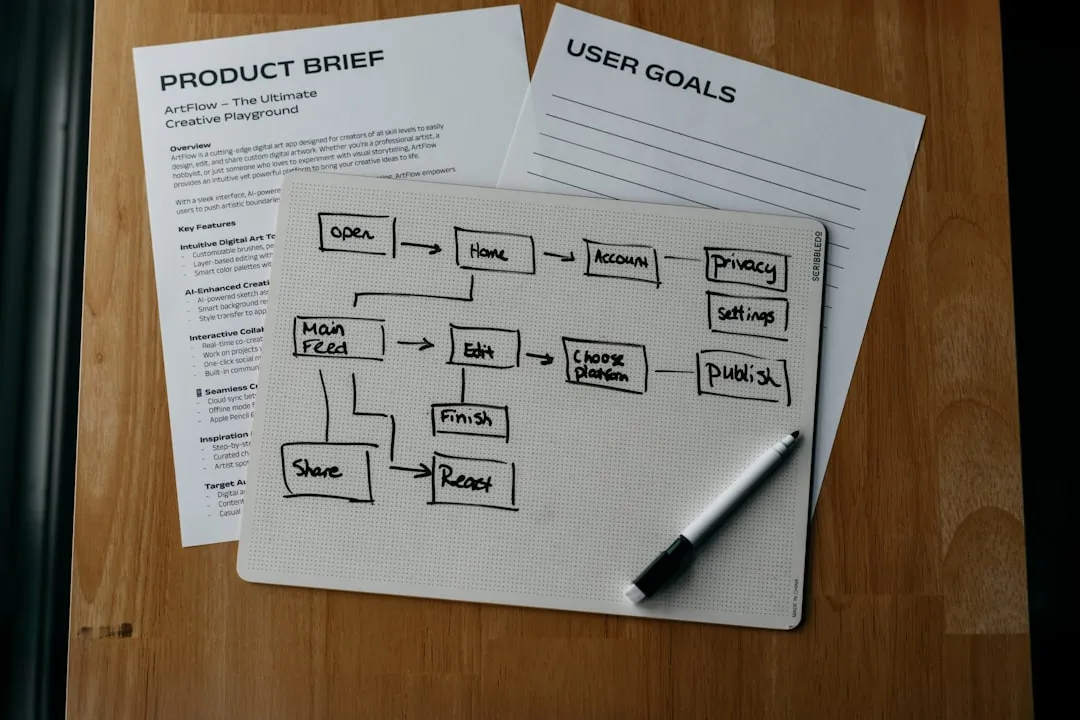
Most teams stall on Luminate not because the data is thin, but because nobody owns the handoff from insight to action. A short internal playbook fixes that.
- Confirm access and roles. Decide who holds Charter credentials, who can pull API or export-level reports, and who owns Scintilla In-Store for field tasks.
- Pick one or two signals, not twenty. Rising search interest in Digital Landscapes or a spike in no-picks in Channel Performance are good starting points. Set a numeric threshold that triggers review.
- Map each signal to a specific action. A demand spike maps to a Walmart Connect Display push. A recurring stockout maps to a Scintilla In-Store task for the field rep covering that store.
- Close the loop with measurement. Track pre and post KPIs, use Scintilla or Walmart Connect reporting for attribution, and set a recurring cadence, weekly for operational signals, monthly for media, to reassess.
- Sync the data outward. Many teams export Luminate data into BI tools like Looker or an agency-managed analytics layer so Walmart signals sit next to internal POS and advertising data instead of living in a separate silo.
Pro Tip: Assign one named owner to each signal threshold before you go looking for insights; a report nobody is accountable for acting on just becomes another dashboard.
How an agency operationalizes Luminate signals
Running this playbook well takes more than access to Luminate. It takes a place to put the data where it joins everything else a brand already tracks.
We built iDerive to ingest first-party signals like these alongside advertising and marketplace operations data, so a Shopper Behavior trend and a Walmart Connect campaign show up in the same report instead of two separate logins.
- Campaign planning uses audience signals pulled from Luminate.
- Creative testing aligns with perception and behavior trends those modules surface.
- Listing optimization considers assortment and availability gaps Channel Performance flags.
Brands that already have a dedicated analytics team may only need Luminate access itself. Brands without the internal bandwidth to build that pipeline tend to get more out of a partner who already has the reporting layer built.
Where Luminate fits in a 2026 retail analytics stack
Luminate works best as one input, not the whole stack. It is strongest paired with internal POS, ERP, and DTC data, since Walmart’s view stops at Walmart’s four walls. The direction is clearly toward closed-loop activation: Scintilla and Scintilla In-Store are pulling insight and execution closer together each release.
The caution is just as real. A signal from Customer Perception or Digital Landscapes should get validated against actual sales lift before a team reallocates serious budget around it, since correlation inside one retailer’s data does not always hold once a tactic moves into the wider market.
— Dan Katona
Turn Luminate signals into Walmart Connect results
Reading a Luminate report is the easy part. Turning a no-pick trend into a restocking fix, or a Shopper Behavior segment into a Walmart Connect campaign that actually improves ROAS, is where most internal teams run out of hours in the week.

We handle that handoff end to end: Walmart Connect advertising built around the audiences Luminate surfaces, creative testing tied to perception data, and iDerive reporting that keeps those signals next to your advertising and operations numbers instead of in a separate tab. Brands we work with on Walmart typically see faster activation cycles and steadier in-stock performance once that loop is closed.
If your team has Luminate access but no clear path from signal to campaign, our Walmart marketplace services page is a good place to see how that work comes together, or reach out directly to scope a fit for your catalog.
FAQ
What is Luminate at Walmart?
Walmart Luminate is Walmart Data Ventures’ first-party analytics suite that gives suppliers omnichannel insight into shopper behavior, channel performance, and customer perception. It is built from Walmart’s own transaction and traffic data rather than projected third-party panels.
What is the 10 ft rule at Walmart?
The “10 foot rule” refers to a general retail merchandising guideline that packaging and shelf presentation should communicate a product’s value clearly from a visible distance away. It is a store-design and packaging principle rather than a Luminate feature or reporting metric.
What are the 4 P’s of Walmart’s marketing mix?
The 4 P’s, product, price, place, and promotion, are a standard marketing framework, and Walmart’s own positioning around everyday low pricing, broad assortment, wide store and digital reach, and promotional merchandising maps onto that structure. Luminate data helps suppliers fine-tune their own product and promotion decisions within Walmart’s ecosystem rather than describing Walmart’s marketing mix directly.
What issues is Walmart currently facing?
Public reporting on Walmart’s challenges tends to focus on supply chain volatility, tariff pressure, and competitive pricing in grocery and general merchandise, topics that extend beyond what Luminate itself measures. Suppliers can use Channel Performance and Shopper Behavior data to see how those pressures show up locally, such as shifting no-pick rates or category switching.
Do I need Charter access to use Walmart Connect audiences from Luminate?
Yes, Charter subscribers can activate Luminate-sourced audiences directly in Walmart Connect Display campaigns, a capability the free Basic tier does not include. This is one of the main reasons enterprise suppliers upgrade from Basic to Charter.
Sources
- Walmart Announces Global Launch of Walmart Luminate
- Creating more opportunities for data-driven supplier growth at Walmart
Recommended