Amazon’s Buy Box, external price monitoring, and fulfillment rules frequently force price alignment or trigger penalties that create channel conflict across a brand’s other storefronts. The immediate fixes: check your Competitive External Price including shipping, set automated repricing guardrails, and pause promotions that could trip anti-discounting flags before they cost you visibility; these steps are crucial when considering marketplace alternatives like Whatnot alternatives for collectors.
TL;DR:
- A study found that Buy Box suppression can erase ad placements within about 12 hours and lower sales rank roughly 12% within 48 hours.
- Compare Amazon’s Competitive External Price, including shipping, with Seller Central pricing alerts and Buy Box eligibility; shipping differences alone can explain a lost offer.
- If suppression begins, compare landed prices and listing identifiers, check account messages, then turn on guarded rules in Automate Pricing while investigating unauthorized sellers.
- During promotions, compare landed prices rather than list prices, coordinate sponsored ad timing, and check Buy Box status hourly for volatile offers.
- Favor Amazon visibility when search demand and Buy Box share outweigh protected margins; otherwise prioritize wholesale or direct relationships with greater long term value.
What Is Channel Conflict and Why Amazon Matters
Channel conflict happens when the different places a brand sells, its own website, wholesale partners, independent retailers, or marketplaces, end up competing against each other instead of working together. It usually shows up as price undercutting, customer confusion over who to buy from, or one channel partner feeling undermined by another.
There are three recognized types:
- Vertical conflict: friction between a brand and the retailers or distributors that carry its products, often over pricing or terms.
- Horizontal conflict: friction between retailers or sellers at the same level, like two authorized resellers undercutting each other.
- Multichannel conflict: friction created when a brand sells directly alongside its partners, especially across online marketplaces with different rules and visibility mechanics.
Amazon deserves special attention because of how its purchasing flow concentrates sales around a single offer. Amazon’s own pricing policy notes that the vast majority of transactions flow through the Featured Offer, commonly called the Buy Box, meaning a brand that loses that slot on its own listing can lose the bulk of its Amazon revenue almost instantly. That concentration is what turns ordinary pricing differences across channels into a platform-specific crisis rather than a background annoyance.
How Amazon-Specific Mechanisms Trigger or Escalate Channel Conflict
Three platform mechanics do most of the damage, and they tend to compound each other:
- Buy Box and Featured Offer selection. Amazon’s algorithm weighs price, shipping cost, fulfillment method, and seller performance to decide which offer wins the Featured Offer slot. A brand selling the same item cheaper on its own site or through a distributor, once shipping is factored in, can lose the Buy Box on Amazon even when its Amazon price looks competitive on the surface.
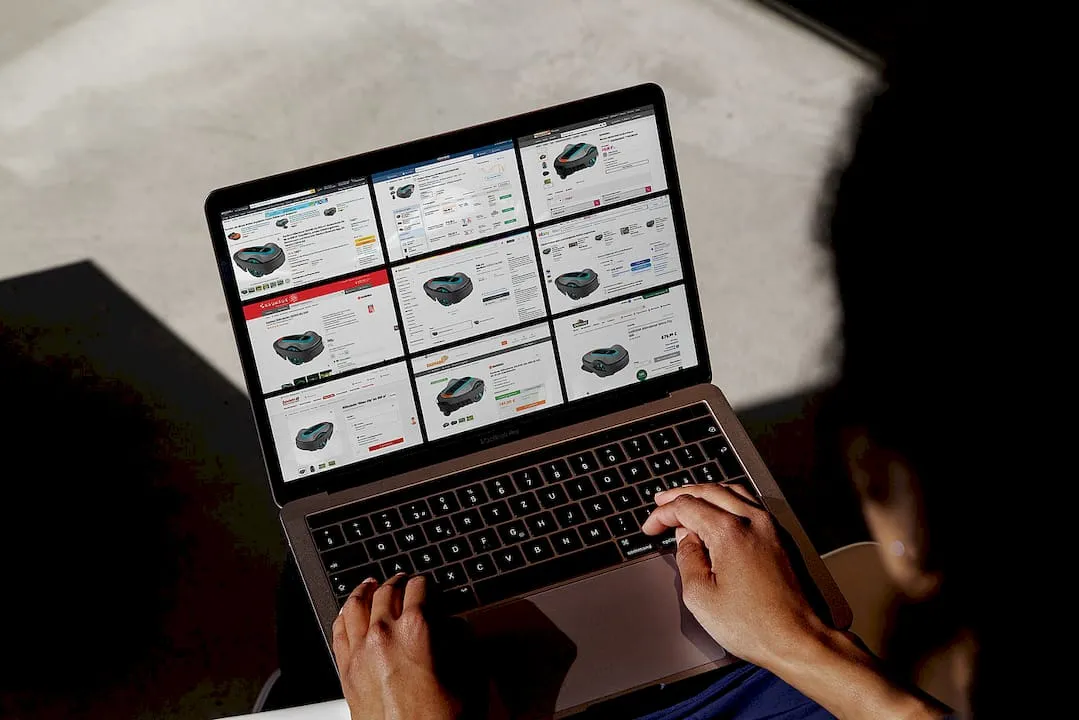
- External price monitoring. Amazon runs automated crawlers that compare prices across the web, including shipping and handling. According to FTC filings, this surveillance combined with punitive measures like Buy Box suppression can create an anti-discounting effect that reaches far beyond Amazon’s own marketplace, discouraging brands from offering lower prices anywhere else.
- Prime and FBA conditioning. The FTC’s complaint also describes how tying Prime eligibility to Fulfillment by Amazon raises the cost of selling through multiple channels at once, a practice researchers call multihoming, which can push brands toward price alignment just to keep Prime badging intact.
A study published in the Proceedings of the ACM Web Conference found that Buy Box suppression causes ad placements to disappear within about 12 hours and sales rank to decline by roughly 12% within 48 hours, a fast enough feedback loop that brands rarely have time to react before revenue damage is already done.
Common Operational Causes and Early Warning Signals
Most Amazon-driven channel conflict traces back to a handful of recurring operational gaps rather than deliberate undercutting. Recognizing them early is what separates a quick fix from a prolonged suppression event.
Common causes include:
- Inconsistent shipping terms across channels that change the effective price Amazon’s crawlers detect.
- Unauthorized resellers sourcing inventory through gray-market channels and listing at prices the brand never approved.
- Mismatched promotions, such as a sitewide discount code that drops the off-Amazon price below the Amazon price once shipping is included.
- SKU, listing, or content divergence, where the same product carries different titles, images, or identifiers across channels, confusing Amazon’s matching logic.
The earliest signals usually appear inside Seller Central before they show up in revenue reports: Pricing Health alerts, sudden Buy Box eligibility changes, a drop in sponsored ad placements, or account health messages referencing pricing policy. Tracking these signals alongside off-Amazon price feeds, ideally in one dashboard rather than four separate logins, gives a brand enough lead time to intervene before suppression spreads to other ASINs.
Pro Tip: Check your Competitive External Price including calculated shipping before assuming a competitor dropped the Buy Box, since shipping differences alone often explain the shift.

Operational Strategies to Prevent and Resolve Channel Conflict With Amazon
Prevention works better than remediation, and most of the effective tactics fall into four categories.
- Pricing governance. Set a Minimum Advertised Price policy that covers all channels, segment pricing by SKU where product variants justify it, and layer in repricing automation with guardrails so an algorithm never races a price to the bottom in search of a short-term Buy Box win.
- Fulfillment strategy. Decide deliberately between full FBA, a split-inventory model, or third-party logistics based on how much multihoming flexibility the brand needs; FBA strengthens Buy Box odds but raises the cost of selling the same inventory elsewhere.
- Commercial governance. Run an authorized reseller program with clear terms, use Amazon’s brand registry tools to flag unauthorized listings, and build deal registration into partner contracts so promotional timing stays coordinated rather than accidental.
- Promotion and retail media coordination. Plan discount timing so a sitewide sale never undercuts the Amazon landed price, and loop in whoever manages Amazon advertising so a promotion doesn’t collide with a sponsored campaign mid-flight.
Pro Tip: Review Minimum Advertised Price terms against total landed price, not list price, since a reasonable handling fee or carrier rate can quietly violate a policy nobody noticed.
Triage: What to Do When Buy Box Suppression Hits
When suppression happens, speed matters more than perfection. Work through this sequence:
- Immediate checks: Compare your Amazon price plus shipping against the Competitive External Price Amazon is detecting elsewhere, confirm the listing content and identifiers are correct, and read any account health or policy messages in Seller Central for specifics.
- Short-term actions: If a temporary price adjustment restores eligibility, make it while you investigate the root cause, and turn on Automate Pricing rules so the listing doesn’t drift back out of range overnight.
- Follow-up actions: Escalate through Seller Support if the suppression looks like an error, audit your reseller network for unauthorized sellers who may have triggered the external price signal, and revisit whether your fulfillment policy is forcing a price conflict that a different FBA or 3PL split could solve.
A deeper walkthrough of Buy Box suppression causes and fixes covers the technical side of each step in more detail, and understanding Buy Box ownership mechanics helps explain why the same listing can lose eligibility even when nothing on the Amazon side appears to have changed.
How a Managed E-Commerce Agency Operationalizes Monitoring and Fixes
Resolving Amazon-driven channel conflict at scale usually comes down to telemetry and discipline rather than any single clever fix. A repeatable operational approach looks like this:
- Centralized telemetry: Track Buy Box status, Competitive External Price, Pricing Health flags, and account health messages in one place, checked frequently enough that a suppression event gets caught within hours, not days.
- Execution playbook: Triage the immediate cause, apply temporary remediation, coordinate across whoever owns pricing, fulfillment, and advertising, then document the fix so it becomes part of standing governance rather than a one-off save.
- Creative and listing parity: Keep titles, images, and identifiers consistent across every channel so Amazon’s matching systems never misread a legitimate offer as a conflicting one.
- Retail media coordination: Time sponsored campaigns so they never run against a price that’s about to trigger suppression, since ad spend on a suppressed listing is wasted spend.
Pro Tip: Run Buy Box and pricing checks on an hourly cadence during active promotions, since offer volatility, not just lower competitor prices, is what research ties most strongly to suppression events.
Where this gets hard to sustain in-house is the cross-functional part: pricing, fulfillment, creative, and advertising all need to move together, which is often where an outside team with dedicated tooling closes the gap faster than a stretched internal group managing it alongside everything else.
Author Perspective: Balancing Amazon Access and Channel Health
My take is that most brands treat Amazon access and channel health as a single decision when they’re really two separate questions. Prioritize Amazon visibility when a category’s search volume and Buy Box share clearly outweigh the margin you’d protect by holding firmer prices elsewhere. Prioritize channel health when a wholesale or DTC relationship carries more long-term margin than the marginal Amazon sales a price cut would capture.
As a brand scales, this stops being a judgment call made product by product and becomes a formal policy with defined enforcement cadence, because ad hoc decisions don’t hold up once dozens of SKUs and partners are involved. The simplest rule of thumb: protect the channels where margin and reach genuinely intersect, and treat everything else as negotiable.
— Dan Katona
Resolving Amazon Channel Conflict With a Managed Partner
We built our Amazon practice around addressing the problem of brands losing Buy Box share and channel control due to uncoordinated pricing, fulfillment, and creative decisions. Our Amazon Growth & Optimization service pairs day-to-day Seller Central management with pricing automation and account health monitoring, so suppression gets caught and fixed before it spreads across a catalog.

We also run listing content and creative through our creative studio to help keep identifiers and imagery consistent across channels, reducing mismatch signals that can trigger pricing enforcement. Our iDerive analytics platform gives brand teams a single view of Buy Box status, pricing health, and ad performance across Amazon, Walmart, and Shopify, instead of four separate dashboards nobody has time to check hourly.
If channel conflict is already costing you Buy Box share or ad placements, reach out to our team for a marketplace audit and we’ll map out where the friction is coming from and what to fix first.
FAQ
What is channel conflict and how does it occur?
Channel conflict occurs when a brand’s own sales channels, such as a website, wholesale partners, and marketplaces, end up competing against each other on price or customer access. On Amazon specifically, it often occurs when the platform’s pricing and fulfillment rules push a brand toward aligning prices everywhere to protect Buy Box eligibility.
What are the two main types of channel conflict?
The two most commonly cited types are vertical conflict, which happens between a brand and the retailers or distributors carrying its products, and horizontal conflict, which happens between sellers or retailers at the same level. A third type, multichannel conflict, is increasingly relevant when a brand sells directly alongside its partners across marketplaces like Amazon.
What is vertical conflict in a channel?
Vertical conflict describes friction between parties at different levels of the same distribution chain, typically a brand and the retailers or distributors that sell its products. It commonly arises over pricing disagreements, minimum advertised price violations, or a brand selling directly at a lower price than its own retail partners.
How does Amazon’s Buy Box affect channel conflict?
Amazon’s Buy Box concentrates most purchases on a single Featured Offer, so a brand selling the same product cheaper elsewhere, once shipping is included, can lose that slot and a large share of its Amazon revenue. Research on Buy Box suppression found that ad placements can disappear within about 12 hours of suppression, making price consistency across channels a direct revenue issue rather than just a branding concern.
How can brands monitor for Amazon-related channel conflict?
Brands should track Pricing Health alerts, Buy Box eligibility status, and account health messages inside Seller Central, alongside price feeds from other channels including shipping costs. Centralizing this monitoring, rather than checking each channel separately, is what allows a team to catch suppression signals early enough to fix them before they spread.
Sources
- Amazon Seller Central - Marketplace Fair Pricing policy
- FTC press release on enforcement action concerning Amazon
- Determinants and Effects of Buy Box Suppression on Amazon (Proceedings of the ACM Web Conference 2026)
Recommended