Share of voice on Amazon measures how often your brand shows up versus competitors across the placements that actually drive sales, and the fastest way to move it is a combination of targeted advertising, inventory availability, and listing conversion. Watching impression share tells you where you’re losing ground, while tools like Sponsored Brands reserve share of voice let you lock in placement instead of fighting the auction every day. We work with brands through Nectar to turn that visibility into revenue.
TL;DR:
- Use Advertising Console reports daily for impression share, Brand Analytics weekly to compare click and conversion share, and AMC after each flight to test incrementality.
- A reserve share of voice pilot raised search impression share from 62.7% to 99.3% and click attributed sales by 143%, but results are not guaranteed.
- Before increasing bids, confirm listings convert well, inventory covers the flight, and pricing preserves Buy Box eligibility, or paid impressions may waste spend.
- Prioritize low share on high converting queries during launches, seasonal peaks, or brand defense, but cap CPA and maintain a target ROAS band.
What share of voice on Amazon actually measures
Share of voice on Amazon is not one number. It’s a family of metrics describing how much of the available attention for a keyword, category, or placement your brand captures compared to everyone else bidding or ranking there.
Impression share is the percentage of eligible ad impressions your campaigns actually own for a given keyword or placement, out of all impressions that could have appeared. Top-of-search impression share narrows that to the premium slot at the very top of search results, generally the highest-converting placement on the page.
Reserved share of voice, delivered through Sponsored Brands reserve share of voice, works differently from standard auction-based impressions. Instead of bidding for every impression, eligible Brand Registry advertisers pay a fixed, upfront price to reserve top-of-search coverage for branded keywords over a set flight.
Key reference points:
- Impression share: your won impressions divided by total eligible impressions for a keyword.
- Top-of-search impression share: the same calculation, limited to the top placement.
- Reserved SOV: a fixed-price guarantee of top-of-search coverage, not an auction outcome.
- 100% SOV: typically only achievable on branded or low-competition terms.
How to measure SOV using Amazon’s own reporting tools
Three Amazon systems cover most of what you need, and each answers a different question.
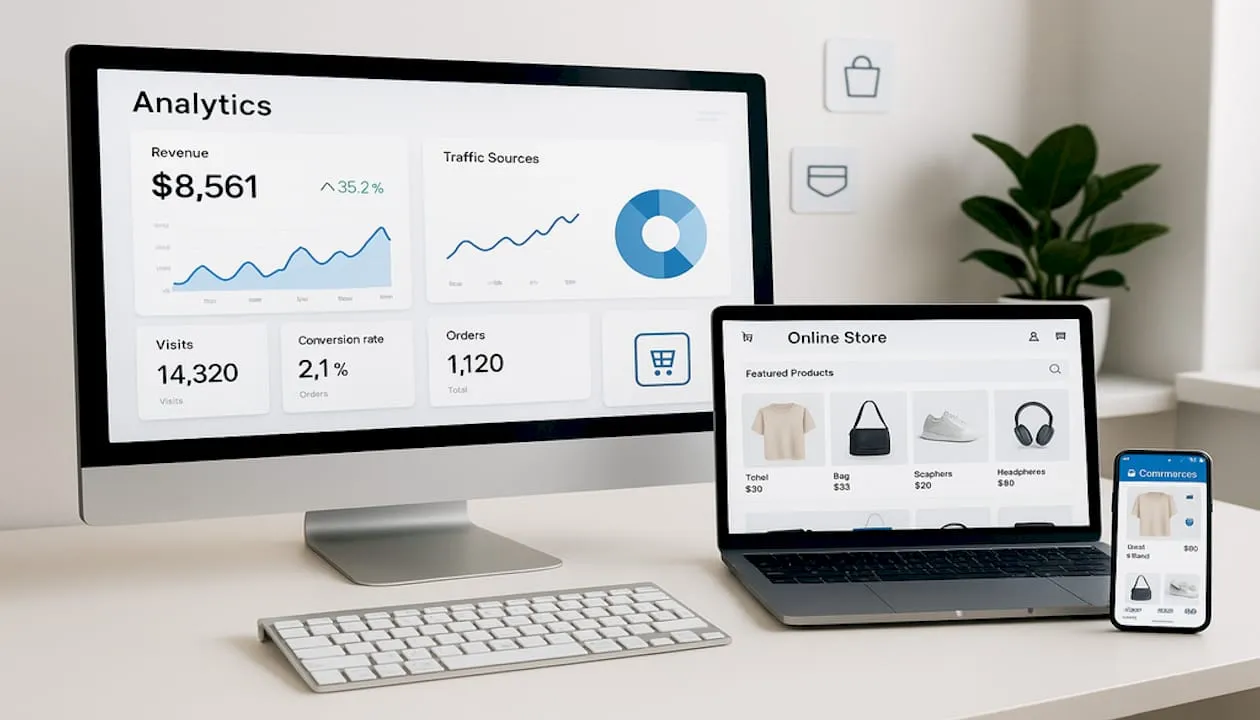
The Advertising Console and its underlying reporting API give you impression and top-of-search data at the keyword and campaign level. Export search-term reports regularly and calculate impression share and top-of-search share directly from the fields provided, rather than relying on dashboard summaries alone.
Brand Analytics, available to Brand Registry sellers, adds Search Query Performance data showing how your click share and conversion share compare to the category for both branded and generic queries, context the ad console alone doesn’t give you.
Amazon Marketing Cloud (AMC) lets you combine advertising signals with sales and catalog data to see SOV trends across campaign types and estimate incrementality, which matters when deciding whether a reserved SOV flight actually moved sales or just redistributed existing demand.
A practical reporting rhythm:
- Daily: pull impression share and top-of-search share for active campaigns to catch pacing issues.
- Weekly: review Search Query Performance for branded versus category share shifts.
- Per flight: run an AMC analysis comparing SOV periods against baseline for click-attributed sales and new-to-brand rate.
Why share of voice matters beyond vanity metrics
Higher share of voice on branded search terms correlates with capturing demand from shoppers who already intend to buy, since roughly one in five Amazon searches include a brand name and most shopping journeys start with search. Losing that top-of-search slot to a competitor on your own brand term is one of the costlier visibility gaps a brand can have.
Reserve share of voice pilots showed top-of-search impression share climbing from roughly 62.7% to 99.3%, alongside a 143% increase in click-attributed sales. That’s a meaningful signal for brands deciding whether fixed-price reservations are worth testing, though pilot results from a limited rollout don’t guarantee the same lift for every category.

SOV deserves priority during launches, seasonal peaks, or when a competitor is actively encroaching on your branded terms. Outside those windows, a pure efficiency focus on ROAS may serve a mature SKU better than chasing visibility it doesn’t need.
Ad tactics that move your share of voice
Each Sponsored Ads format plays a distinct role in building SOV, and sequencing them correctly matters more than spending more on any single one.
- Sponsored Products build broad keyword and category coverage, useful for defending shelf space against competitor ASINs showing up in your product’s search results.
- Sponsored Brands own the top-of-search placement with brand logo, headline, and product carousel, the single biggest lever for branded SOV.
- Sponsored Display retargets shoppers who viewed your listings or competitors’, extending your presence off the search results page.
- Reserve share of voice replaces the daily auction for branded terms with a fixed-price reservation, available to Brand Registry advertisers who select a flight length and get validated keyword eligibility before locking in coverage.
When reallocating budget, raise bids first on high-opportunity queries where your impression share is low but conversion is strong, and watch competitor out-of-stock signals as a cue to concentrate spend while their listings are unavailable. A rising top-of-search impression share alongside stable or improving click-through rate is the clearest sign your SOV investment is working, rather than just inflating impressions nobody clicks.
Pro Tip: Reserve SOV works best as a supplement to standing Sponsored Products and Sponsored Brands campaigns, not a replacement for them.
Operational levers your ads can’t replace
Winning more impressions does nothing if the listing can’t convert them, so ad spend and operations need to move together.
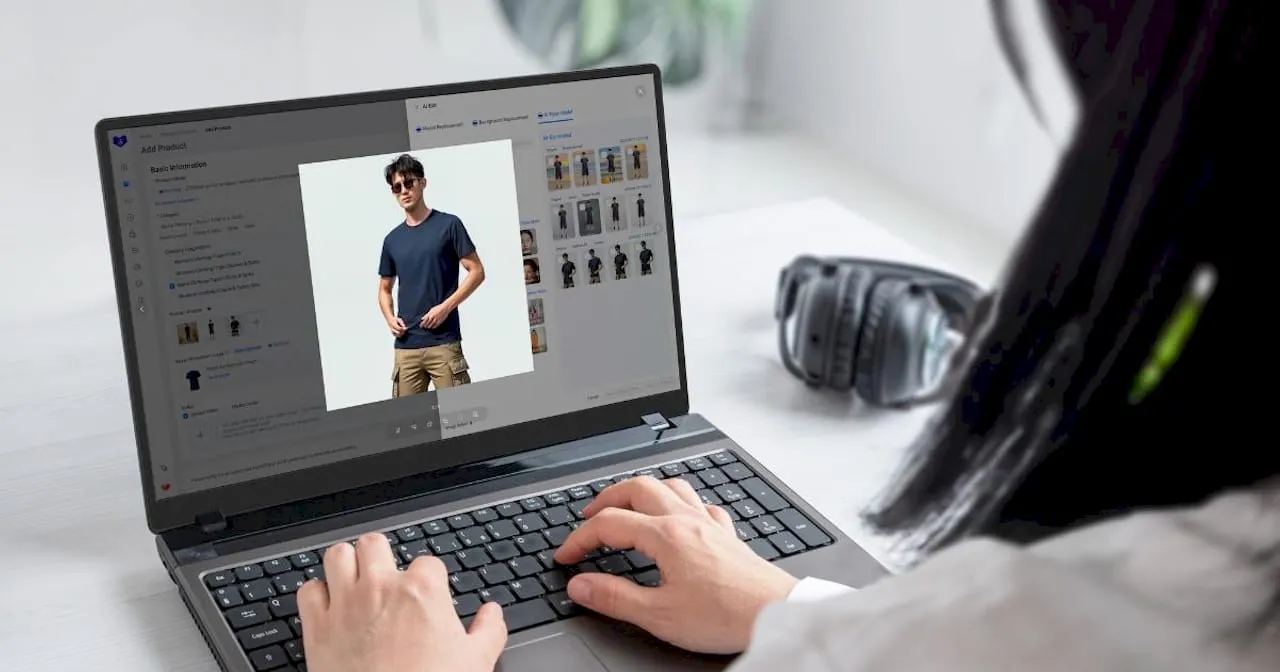
Conversion rate depends heavily on main images, titles that lead with the attributes shoppers search for, bullet points that answer objections, and A+ content that builds trust past the fold. A brand that doubles its top-of-search impressions but keeps a weak listing is paying more to convert the same small percentage of shoppers.
Inventory and featured offer eligibility matter just as much. Amazon generally won’t serve ads for an out-of-stock ASIN, so a campaign flight timed around low inventory wastes budget and cedes the placement to a competitor. Pricing that drops you out of the Buy Box similarly throttles both organic and paid visibility, since ads link back to a listing that may not even be the featured offer.
Before scaling SOV campaigns, confirm:
- Main images, titles, and bullets reflect current best practices for the category.
- Inventory covers the full planned flight length with buffer for demand spikes.
- Pricing and fulfillment method keep you consistently in the Buy Box.
Retailers that also think about shelf-level inventory control in physical retail apply a similar discipline, treating stock integrity as a visibility input rather than a back-office afterthought, a mindset that translates directly to Amazon operations.
A quick audit checklist to set SOV targets
Running a short audit before committing budget keeps a SOV push from becoming a guessing game.
- Pick 10 to 20 target keywords or placements that matter most to your branded and category visibility.
- Pull impression share and top-of-search share fields from the Advertising Console for the trailing 30 days as your baseline.
- Set a percentage-lift target for the flight, such as moving top-of-search share from 60% to 85%, based on what reserve SOV or bid increases can realistically achieve.
- Structure a control and variant where possible, holding some campaigns or keywords steady while testing the SOV push elsewhere.
- Review results weekly during the flight and run a full incrementality check afterward to confirm the lift came from new demand, not cannibalized sales.
How Nectar’s iDerive platform turns SOV data into revenue
Measuring SOV is only useful when the number changes what you do next, and that’s where a fragmented view of ads, sales, and catalog data slows most teams down.
Our iDerive analytics platform pulls advertising, sales, and inventory signals into one view, so a drop in top-of-search share gets connected to the inventory or pricing issue causing it instead of sitting in a separate report nobody checks daily. We pair that with hands-on management through Amazon Growth & Optimization and in-house creative production, so visibility gains land on listings built to convert them.
Our managed approach combining analytics with ad and creative execution can grow Amazon revenue while also improving ROAS, showing that SOV gains and efficiency aren’t mutually exclusive when the underlying operations are solid.
What we bring to a SOV-focused engagement:
- Unified reporting across ads, sales, and catalog data through iDerive.
- Managed Sponsored Products, Sponsored Brands, and Sponsored Display campaigns.
- In-house creative to fix the conversion side of the equation alongside visibility.
- Marketplace operations support to keep inventory and Buy Box status aligned with ad flights.
Reading SOV data against your competitive set
A SOV number means little in isolation. The context that makes it useful is how it compares to the specific competitors fighting for the same shoppers, not an industry average.
Start by identifying the three to five ASINs that consistently appear alongside yours in search results for your priority keywords. Track your impression share and top-of-search share against the gap those competitors leave open, rather than against an arbitrary internal goal.
Seasonality distorts raw comparisons too. A competitor’s SOV might spike during their own promotional event or inventory restock, which looks like a threat in a weekly snapshot but normalizes within a month. Looking at rolling 30-day windows rather than single-week snapshots avoids reacting to noise.
Price and promotion activity also shift the picture. A competitor running a steep discount can win the Buy Box and organic ranking even while losing on ad spend, pulling SOV in ways that have nothing to do with advertising effectiveness. When benchmarking, separate what’s happening in the auction from what’s happening in pricing and promotions, since the fix for each is different.
Finally, treat SOV trends as a leading indicator rather than a standalone success metric. A rising share of voice that doesn’t eventually show up in branded search volume or new-to-brand sales suggests the visibility isn’t reaching the right shoppers, or that the listing behind it isn’t converting what it wins.

Fitting SOV into a broader Amazon growth strategy
Share of voice works best as one input into a larger plan, not a goal pursued for its own sake. A brand chasing top-of-search share on every keyword without a catalog, pricing, or content strategy behind it ends up with expensive impressions and flat sales.
The stronger approach ties SOV targets to specific business moments: a new product launch that needs fast visibility to build review velocity, a seasonal event where competitors will be bidding aggressively, or a defensive push when a competitor starts encroaching on branded terms. Outside those moments, steady-state SOV maintenance at an efficient cost matters more than constant expansion.
SOV also connects directly to catalog strategy. A strong SOV on a hero SKU can support cross-sell to adjacent products in your line if the storefront and A+ content are built to guide that path, turning a single visibility win into a wider revenue lift across the catalog. Brand store design and listing SEO fundamentals do the work of converting that traffic once it arrives.
Treat SOV reporting as one section of a regular brand health review alongside Buy Box win rate, organic ranking position, inventory health, and overall ROAS. Looking at SOV in isolation risks optimizing one metric while missing a profitability problem building elsewhere in the account.
Common challenges in analyzing SOV data
A few recurring issues trip up even experienced teams reading SOV reports.
Keyword scope creates the first problem. SOV calculated across a broad, loosely related keyword set dilutes the signal, making a real problem on your core terms invisible inside an average that includes dozens of low-relevance queries. Narrowing to the 10 to 20 keywords that actually drive your category traffic produces a far more actionable number.
Attribution windows cause a second issue. Click-attributed sales tied to a SOV push may take days to fully register, so reading results too early after a flight ends can understate the impact, especially for considered purchases with longer research cycles.
Data fragmentation is the most common limitation. Impression share lives in the Advertising Console, conversion context lives in Brand Analytics, and connecting either to actual incremental sales requires something like Amazon Marketing Cloud or a unified analytics layer. Without that connective layer, teams often end up with three separate numbers and no clear read on whether a SOV campaign paid for itself.
Finally, SOV figures can mask quality differences. Winning more impressions on a keyword where your listing converts poorly inflates share of voice while quietly dragging down ACOS, so a SOV improvement always needs a conversion rate check alongside it before anyone calls it a win.
When to chase SOV and when to protect margin
Launches, seasonal peaks, and moments when a competitor is encroaching on your branded terms are the clearest cases for prioritizing SOV, even at a temporarily higher cost. A mature, low-margin SKU with stable demand rarely benefits from the same aggressive push, since the visibility gain costs more than it returns.
The practical middle ground is setting guardrails before you start: a maximum acceptable CPA and a target ROAS band you won’t breach even while pursuing higher impression share. Our view is that SOV should expand within those guardrails, not replace them. A brand that lets visibility targets override profitability discipline usually finds the growth doesn’t survive the next pricing pressure.
— Dan Katona
Get a tailored plan for growing your Amazon visibility
We built our Amazon services around the same problem this article covers: visibility that doesn’t convert is wasted spend, and conversion without visibility leaves revenue on the table.

Through Amazon Growth & Optimization, we combine advertising management, iDerive analytics, and in-house creative production so share of voice gains translate into sales rather than just better-looking reports. Our team also manages retail media buying and marketplace operations to keep inventory and Buy Box status aligned with every campaign flight.
What this covers for a typical engagement:
- Sponsored Products, Sponsored Brands, and Sponsored Display management.
- iDerive reporting that ties SOV to sales and inventory data.
- Creative production to fix conversion gaps behind the ad spend.
Reach out through our Amazon Growth & Optimization page to request an audit of your current share of voice and where the fastest gains are available.
FAQ
What is Amazon’s share of voice?
Amazon’s share of voice measures how often your brand appears in high-value placements, like top-of-search ads or organic rankings, compared to competitors for the same keywords. It’s typically calculated as your won impressions divided by total eligible impressions for a given keyword or placement.
What does 100% share of voice mean?
This is realistic mainly on branded search terms where competitors aren’t bidding, and reserve share of voice can secure something close to it for a fixed price during a flight.
What is a good share of voice percentage?
There’s no universal benchmark, since a good share of voice depends on how many competitors are active in your category and which keywords you’re measuring. A more useful approach is tracking your own share of voice trend over time against the two to five competitors who consistently appear alongside your listings.
How do I get paid to be an Amazon product reviewer?
Amazon does not offer a formal paid product reviewer program for the general public, and compensated reviews in exchange for payment violate Amazon’s policies. Legitimate options include Amazon Vine, which provides free products to selected reviewers rather than cash payment, based on the reviewer’s history and profile.
Recommended