Walmart TwoDay is available to Marketplace sellers today, and the main thing standing between a catalog and the badge is fulfillment readiness, not paperwork. Brands that can guarantee delivery within two business days unlock a visible delivery promise on the product page, and that promise tends to move conversion more than most creative or pricing changes alone.
TL;DR:
- Choose 25 to 50 SKUs using velocity, margin, returns, and supplier reliability; measure conversion and service compliance during a pilot lasting four to six weeks.
- Plan for a two to four week audit, a pilot lasting four to six weeks, and costs for carrier premiums, buffer inventory, and feed integration.
- Seller fulfilled items need reliable carrier transit within two business days; national coverage may require split warehouses, pickup cutoffs, and safety stock.
- Monitor service metrics weekly and audit catalog data monthly, since feed mismatches, stockouts, and late shipments can remove eligibility or the badge.
- Separate TwoDay SKUs into Walmart Connect ad groups, then compare click through rates, conversion, featured offer share, and return on ad spend against earlier results.
What Walmart TwoDay Delivery Means for Marketplace Sellers
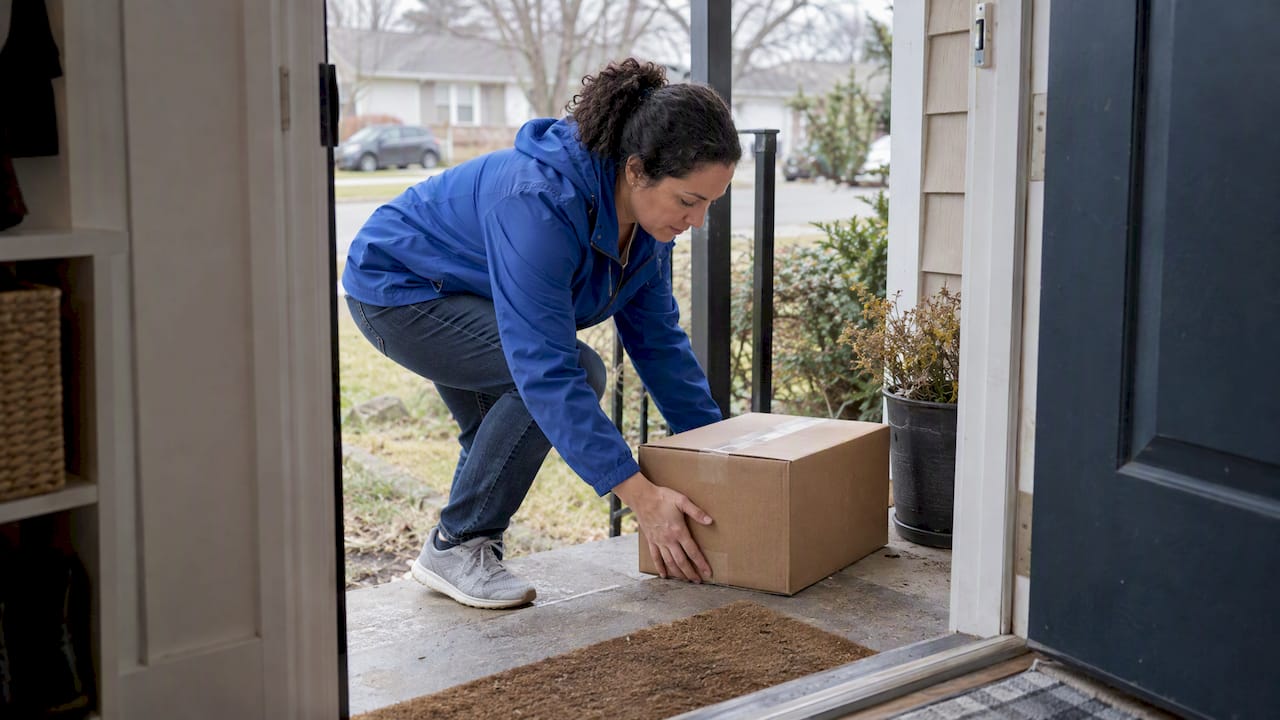
Walmart’s TwoDay program lets Marketplace sellers promise customers delivery within two business days on qualifying SKUs, shown directly on the product detail page. It is a seller-side commitment tied to fulfillment capability, not a Walmart-run shipping service, so the delivery window depends entirely on how fast a brand can pick, pack, and get an order into a carrier’s network.
Walmart surfaces TwoDay through a badge and filter on search and category pages, which means eligible SKUs get pulled into a shopper’s consideration set before price or reviews even come into play. Brands that have gone through this with us at Nectar typically see the clearest lift on items shoppers buy with urgency: replenishment goods, gifts, seasonal products, and anything competing against a faster-shipping alternative. Low-velocity or oversized SKUs with long supplier lead times rarely justify the inventory cost of qualifying, so prioritization matters from the start.
Eligibility and Enrollment: Self-Audit Checklist for Brand Readiness
Before assuming a SKU can carry the badge, run it through a quick internal audit. Walmart ties TwoDay eligibility to a mix of catalog data, fulfillment model, and account-level performance, so gaps in any one area can block enrollment even when the product itself is a good fit.
Check these items first:
- Feed accuracy: item dimensions, weight, and shipping template fields must match what actually ships, since mismatches are a common cause of delisted TwoDay status.
- Fulfillment model: seller-fulfilled items need carrier services that reliably hit two-business-day transit, while marketplace-fulfilled inventory is held to its own placement and replenishment rules.
- On-time ship rate: consistently late shipments put the badge at risk even on otherwise qualifying SKUs.
- Order cancellation and defect rates: elevated rates signal unreliable fulfillment and can disqualify an account from new program enrollment.
- Inventory availability: SKUs that frequently stock out lose eligibility until supply stabilizes.
Brands using a dedicated Walmart solution often run this audit monthly rather than once, because performance thresholds and feed accuracy drift as catalogs grow and suppliers change.
Operational Checklist to Meet Two-Business-Day Delivery Consistently
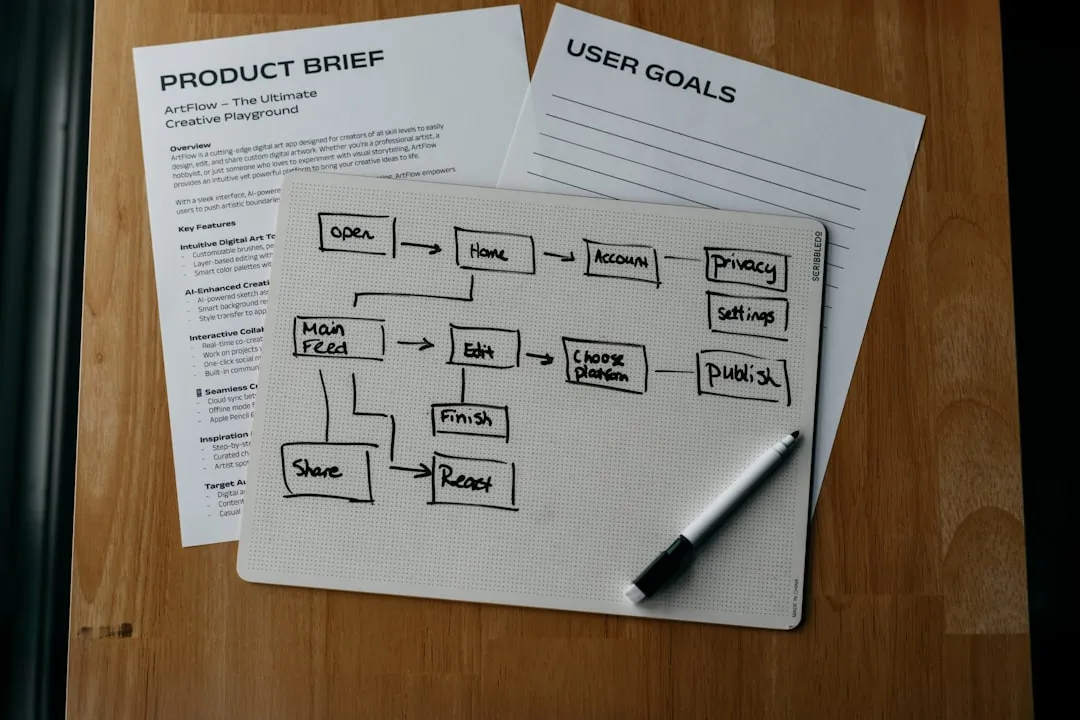
Hitting the two-day promise on paper is easy. Hitting it on the thousandth order during a demand spike is where most programs break. A practical rollout sequence looks like this:
- Map current lead times from order placement to carrier handoff, including picking, packing, and any manual review steps that slow things down.
- Calculate safety stock for each candidate SKU based on historical sell-through, so a demand spike does not force a stockout mid-promise.
- Match carrier service levels to geography, using national ground services for broad coverage and regional carriers where they beat national transit times.
- Set firm order cutoffs that align with carrier pickup schedules, and communicate them clearly inside your warehouse or 3PL’s workflow.
- Evaluate split-DC placement for high-velocity SKUs, since a single warehouse often cannot reach both coasts within two business days using ground service alone.
- Monitor SLA KPIs weekly, including on-time ship rate, transit time variance, and stockout frequency, to catch drift before Walmart does.
Pro Tip: Run a two-week dry run on a small SKU set before flipping TwoDay live across the catalog, so cutoff times and carrier handoffs get tested under real order volume first.
Brands without their own distribution network often lean on a 3PL that already runs multiple warehouse zones, since building split-DC coverage from scratch usually costs more than the incremental conversion a single pilot SKU set would generate.
Listing, Feed, and Catalog Steps to Present TwoDay-Eligible SKUs Correctly
Operational readiness only pays off if the catalog reflects it accurately. A SKU that qualifies operationally but carries stale feed data can still lose the badge or, worse, display a delivery promise it cannot keep.
Focus on these feed and listing elements:
- Shipping template assignment: confirm each qualifying SKU points to the correct template, since a mismatch is one of the most common causes of TwoDay badges disappearing without explanation.
- Inventory sync frequency: push updates often enough that Walmart’s displayed availability matches warehouse reality, particularly on fast-moving SKUs.
- PDP shipping copy: reinforce the delivery promise in bullet points and product descriptions so shoppers see consistent messaging, not just a badge.
- Image and content compliance: follow Walmart’s listing best practices for imagery and PDP structure, since incomplete content can suppress visibility even on eligible items.
Our Walmart Marketplace requirements guide walks through the specific feed and inventory causes behind sudden delistings, which is worth reviewing before scaling TwoDay past a pilot set.
How TwoDay Affects Advertising, Measurement, and Marketplace Performance
A faster delivery promise changes the math on paid media. Shoppers comparing two similar listings tend to click and convert more often on the one showing a TwoDay badge, which can lower effective cost per click over time simply because the listing converts better at the same bid.
Walmart Connect campaigns built around TwoDay SKUs benefit from isolating them into their own ad groups rather than blending them with standard-delivery items, since bidding strategy and audience targeting both shift once delivery speed becomes a selling point. Aggressive bids on urgency-driven categories like gifting or replenishment tend to perform better when the badge backs up the promise.
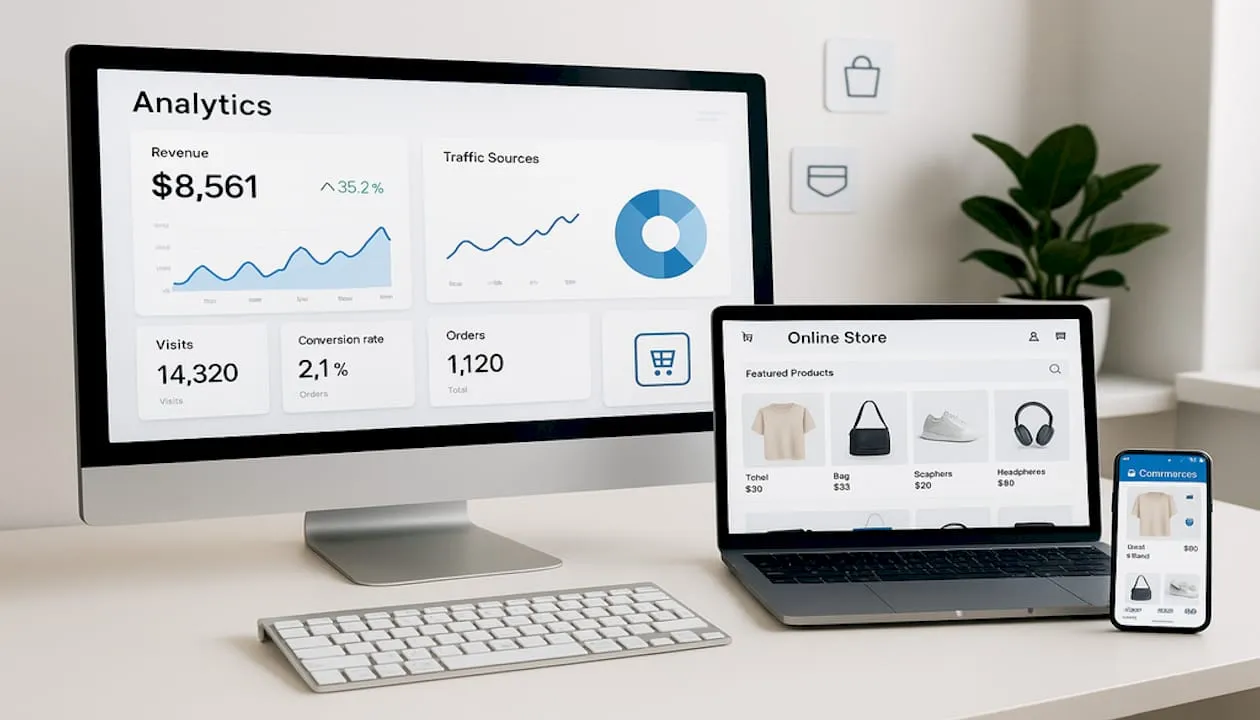
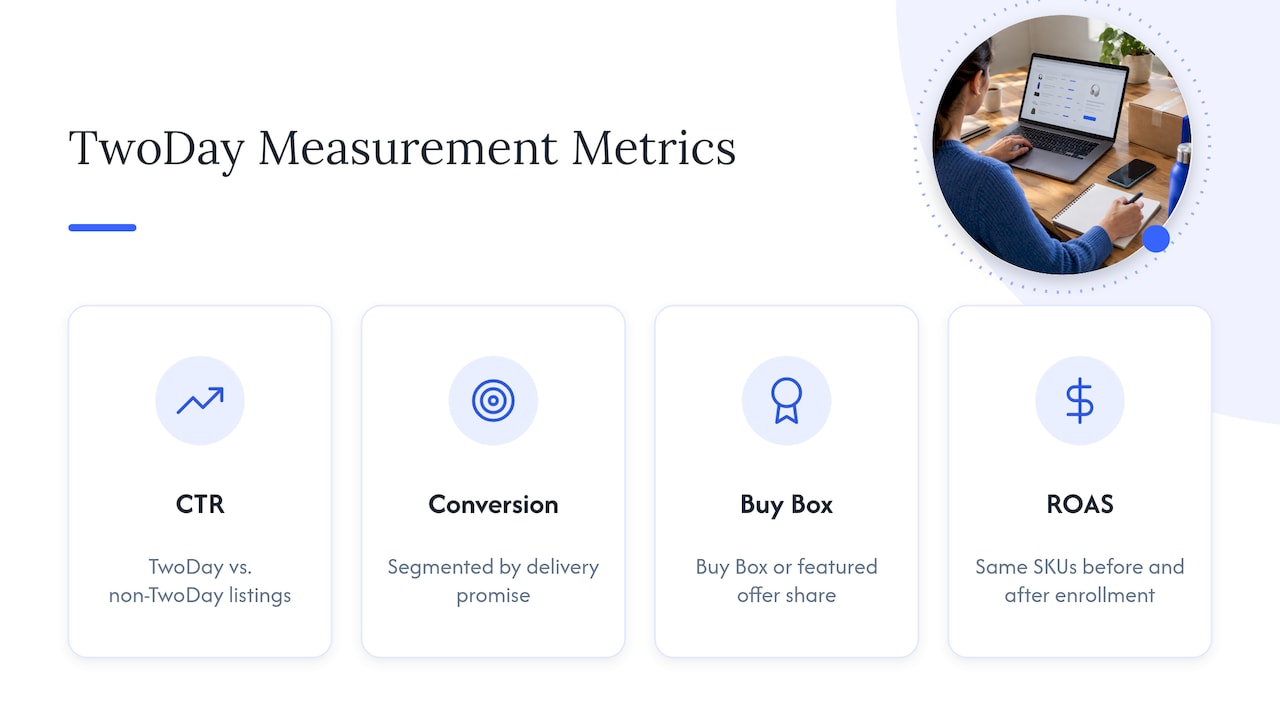
Track these metrics specifically once TwoDay launches: click-through rate on TwoDay versus non-TwoDay listings, conversion rate segmented by delivery promise, Buy Box or featured offer share, and return on ad spend against the same SKUs before and after enrollment. Our Walmart advertising workflow guide breaks down how to structure these campaigns and where to watch for early signal.
Costs, Timeline, and Common Blockers to Expect When Enabling TwoDay
A mid-market brand typically moves through three phases: a two to four week audit of catalog and fulfillment readiness, a four to six week pilot on a limited SKU set, and a scaling phase once SLA performance holds steady.
Expect costs in three buckets: carrier premiums for faster service levels, buffer inventory to protect against stockouts on qualifying SKUs, and integration work to keep feed and inventory systems synced in near real time.
The most common blockers are feed inaccuracy, supplier lead times too long to support safety stock targets, and gaps between order management systems and Walmart’s catalog feed. Most of these resolve with tighter feed cadence, a renegotiated supplier schedule, or a cleaner EDI connection between inventory and marketplace systems.
Nectar Perspective: Prioritizing SKUs and Running a Safe Pilot
The brands that get TwoDay right do not flip the switch catalog-wide on day one. We typically recommend prioritizing SKUs by sell-through velocity, margin, return rate, and supplier reliability, in that order, since a fast-moving item with a shaky supply chain will undermine the badge faster than a slower seller ever could.
A pilot of 25 to 50 SKUs gives enough signal to measure a real conversion delta without overcommitting buffer inventory, and four to six weeks is usually enough to see whether on-time ship rate and conversion both hold steady. Success looks like stable SLA compliance alongside a measurable lift in conversion rate, not just badge visibility.
Pairing feed optimization with creative and retail media timing tends to compound the pilot’s results rather than leaving them to chance.
— Dan Katona
How Nectar Can Help Enable TwoDay on Walmart Marketplace
Getting TwoDay right across a growing catalog takes more coordination than most internal teams have bandwidth for, which is where a fully managed partner earns its keep. We bring marketplace operations, catalog and feed management, creative production, and campaign management together under one engagement instead of leaving a brand to stitch them together alone.

A typical engagement starts with an audit of current feed health and fulfillment capacity, moves into a pilot on a prioritized SKU set, and scales once performance holds. Our relevant services include:
- Marketplace operations management, covering catalog, inventory, and compliance day to day.
- Analytics, giving unified visibility into SLA performance and conversion lift across TwoDay and standard SKUs.
- Creative and PDP optimization, keeping listings aligned with the delivery promise they display.
- Campaign management, structuring campaigns around TwoDay-eligible inventory.
Start with our Marketplace Expansion & Management services to scope an audit and pilot for your catalog.
FAQ
What is Walmart TwoDay delivery for Marketplace sellers?
Walmart TwoDay is a seller-side program that lets qualifying Marketplace sellers promise delivery within two business days, displayed as a badge on the product detail page. Eligibility depends on fulfillment capability and account performance, not a Walmart-operated shipping service.
How do I know if my SKUs qualify for TwoDay?
Qualification depends on accurate feed and shipping template data, a fulfillment model capable of consistent two-business-day transit, and healthy account metrics like on-time ship rate and low defect rates. Reviewing our Walmart Marketplace requirements guide is a good starting point for the specific feed fields involved.
How long does it take to launch TwoDay on a product catalog?
Most mid-market brands move through a two to four week readiness audit, a four to six week pilot on a limited SKU set, and then a scaling phase once service levels hold steady. Timelines shift based on how much feed and inventory integration work is needed upfront.
Does TwoDay actually improve conversion and ad performance?
Faster, visibly promised delivery tends to improve click-through and conversion rates on listings that carry the badge, which can also improve efficiency on Walmart Connect campaigns over time. Results vary by category, with urgency-driven products like gifting and replenishment goods typically seeing the clearest lift.
What usually causes a TwoDay badge to disappear after launch?
The most common causes are feed mismatches between shipping templates and actual fulfillment, inventory sync delays that create stockouts, and declining on-time ship rates. Tightening feed cadence and monitoring SLA KPIs weekly catches most of these issues before they affect the badge.
Nectar Resources and Authoritative References for U.S. Walmart Sellers
For deeper operational guidance, our Walmart solution page outlines marketplace services built around readiness and ongoing management. Our iDerive Analytics Platform supports measurement across TwoDay pilots, and brands comparing competitive pricing signals alongside delivery speed may find the Yahoo Shopping Comparison tool useful for tracking market pricing context.
Recommended