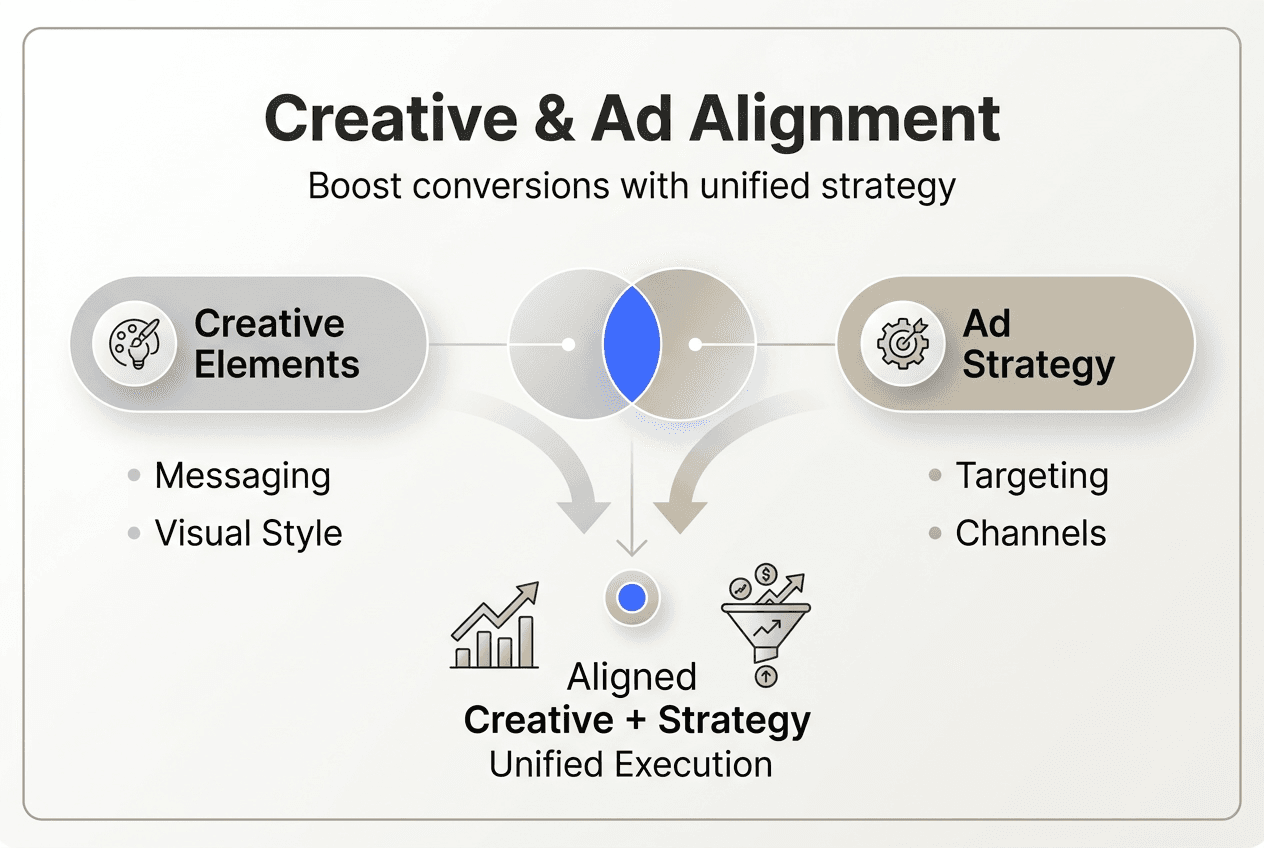
Many e-commerce brands treat creative development and advertising strategy as separate functions. Marketing teams design beautiful assets while media buyers optimize campaigns, rarely coordinating their efforts. This disconnect creates inefficiency, wasted ad spend, and missed conversion opportunities. When creative and advertising strategy work in harmony, brands unlock substantially higher conversion rates and return on ad spend. This article explores why alignment matters in 2026 and provides actionable frameworks to implement it effectively across your campaigns.
Key takeaways
| Point | Details |
|---|---|
| Creative alignment drives performance | Integrated creative and ad strategies increase conversion rates by up to 30% and improve ROAS by 20%. |
| Quality outweighs targeting | Creative quality accounts for more than half of campaign outcomes and is 3x more impactful on ROI than audience targeting alone. |
| Structured testing enables scaling | A disciplined creative testing framework transforms marketing from guesswork into data-driven science that scales profitably. |
| Audience insights fuel relevance | Deep understanding of target audience motivations and barriers creates highly relevant creative that significantly boosts engagement. |
| Branding strategy provides foundation | Consistent branding across marketing channels can increase revenue by up to 23% through unified messaging. |
The impact of creative alignment on ad performance
The data tells a compelling story. Brands with integrated creative and advertising strategies experience up to a 30% increase in conversion rates and a 20% improvement in ROAS. These aren’t marginal gains. They represent the difference between profitable scaling and stagnant campaigns that burn budget without meaningful returns.
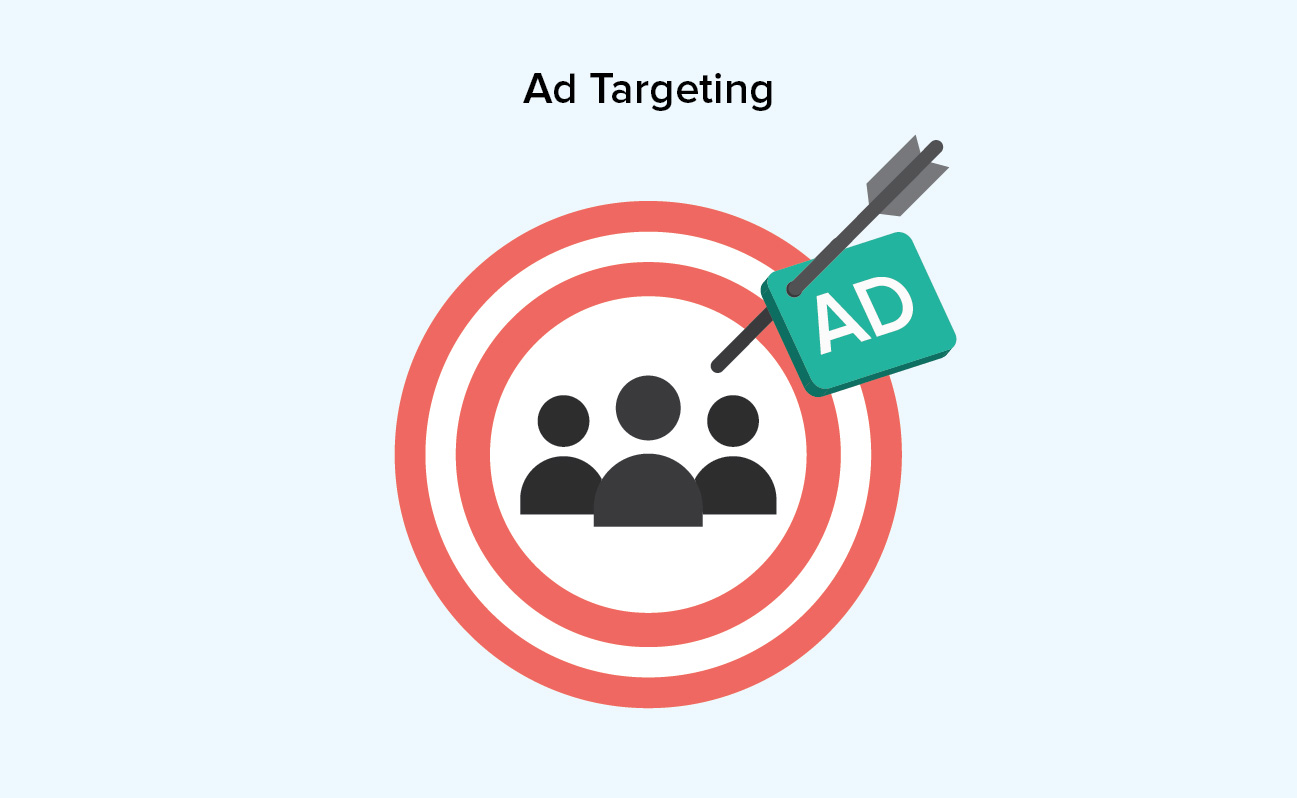
What drives these improvements? Creative quality accounts for more than half of campaign outcomes and is 3x more impactful on ROI than targeting. You can have perfect audience segmentation and sophisticated bidding strategies, but if your creative doesn’t resonate, your campaigns will underperform. The reverse is also true. Exceptional creative paired with misaligned strategy wastes its potential.
Consistent branding in ads increases recognition, recall, and trust. When consumers see unified messaging across touchpoints, they build stronger associations with your brand. This familiarity translates directly into higher click-through rates and conversion rates. A consumer who recognizes your brand from previous exposure converts faster than one encountering you for the first time.
Brands prioritizing integrated creative and ad strategy gain a competitive edge in crowded marketplaces. While competitors run disconnected campaigns, aligned brands deliver coherent experiences that guide consumers smoothly through the funnel. Crafting compelling ecom ads becomes significantly easier when creative teams understand campaign objectives and performance data.
Consider these supporting statistics:
-
Creative quality is 3x more impactful on ROI than audience targeting parameters
-
Integrated strategies deliver up to 30% higher conversion rates compared to siloed approaches
-
Consistent branding increases consumer recognition by measurable margins across campaign touchpoints
-
Brands aligning creative with strategy reduce cost per acquisition while scaling ad spend efficiently
The evidence is clear. Alignment isn’t a nice-to-have feature. It’s a fundamental requirement for competitive ad performance in 2026.

How branding strategy informs creative alignment
A strong branding strategy clarifies brand identity, values, and positioning before a single ad gets created. It answers fundamental questions: What do we stand for? How do we want consumers to perceive us? What makes us different from competitors? These answers become guardrails for every creative decision.
A branding strategy defines what you stand for and keeps every campaign connected to your core identity. Without this foundation, creative teams make subjective decisions based on personal preference rather than strategic alignment. One campaign might emphasize luxury while another focuses on value, creating consumer confusion about what your brand actually represents.
Integrated branding and ad strategies build consumer trust through consistency. When your messaging, visual style, and value propositions remain coherent across campaigns, consumers develop clear expectations. They know what to expect from your brand, which reduces purchase hesitation and accelerates conversion decisions.
The financial impact is substantial. Consistent branding across marketing channels can increase revenue by up to 23%. This happens because aligned branding compounds over time. Each impression reinforces previous ones, building brand equity that makes future marketing more efficient.
Foundational elements of a strong branding strategy include:
-
Clear brand positioning statement defining your unique market position and value proposition
-
Visual identity guidelines covering logo usage, color palettes, typography, and imagery style
-
Tone of voice parameters establishing how your brand communicates across different contexts
-
Core messaging pillars identifying the three to five key themes every campaign should reinforce
-
Audience personas detailing who you serve and what motivates their purchase decisions
-
Competitive differentiation explaining how you differ from alternatives in your category
Creative services in ecommerce become exponentially more effective when guided by these strategic parameters. Creative teams spend less time debating subjective preferences and more time optimizing execution against clear objectives. Strategy provides the framework. Creative brings it to life in ways that drive measurable business results.
Audience insights and creative relevance in advertising strategy
Understanding your target audience goes far beyond basic demographics. You need to grasp their motivations, barriers, cultural context, and decision-making processes. What problems are they trying to solve? What objections prevent them from purchasing? What emotional triggers influence their choices?

Personalized advertising campaigns considering audience behavior achieve significantly higher click-through and conversion rates than generic approaches. Personalization isn’t just inserting someone’s name into an email. It’s tailoring your entire message to address specific audience segments with relevant solutions to their unique challenges.
The results speak for themselves. Targeting the right audience with relevant creative drove 41% revenue growth in one documented case. This happened because the creative spoke directly to audience needs rather than broadcasting generic product features.
Follow these steps to gather audience insights and apply them strategically:
-
Conduct customer interviews to understand purchase motivations and barriers in their own words
-
Analyze customer service inquiries to identify common questions and objections that creative should address
-
Review competitor messaging to find gaps and opportunities for differentiation in your creative approach
-
Test messaging variations with small audience segments before scaling to validate resonance
-
Monitor performance data to identify which creative angles drive the strongest engagement and conversion
-
Create audience-specific creative variants rather than one-size-fits-all assets that appeal to nobody strongly
Pro Tip: Many brands ignore subtle audience signals that reveal powerful creative opportunities. A customer asking about return policies isn’t just seeking information. They’re expressing purchase anxiety that your creative should proactively address with trust-building elements.
Aligning creative tone and message to audience mindset boosts conversion metrics significantly. A consumer in research mode needs educational content highlighting product benefits and differentiation. Someone ready to purchase needs reassurance, social proof, and a clear call to action. Generic creative that tries to serve both audiences simultaneously serves neither effectively.
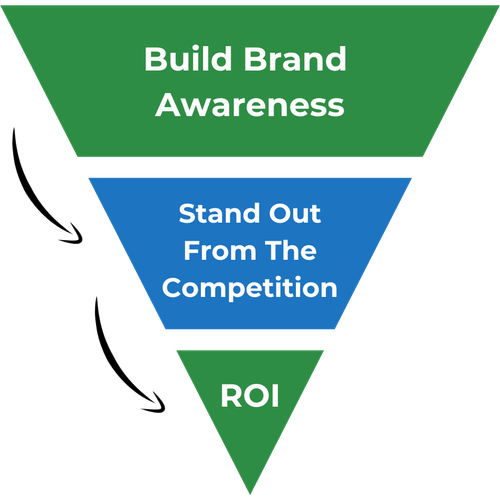
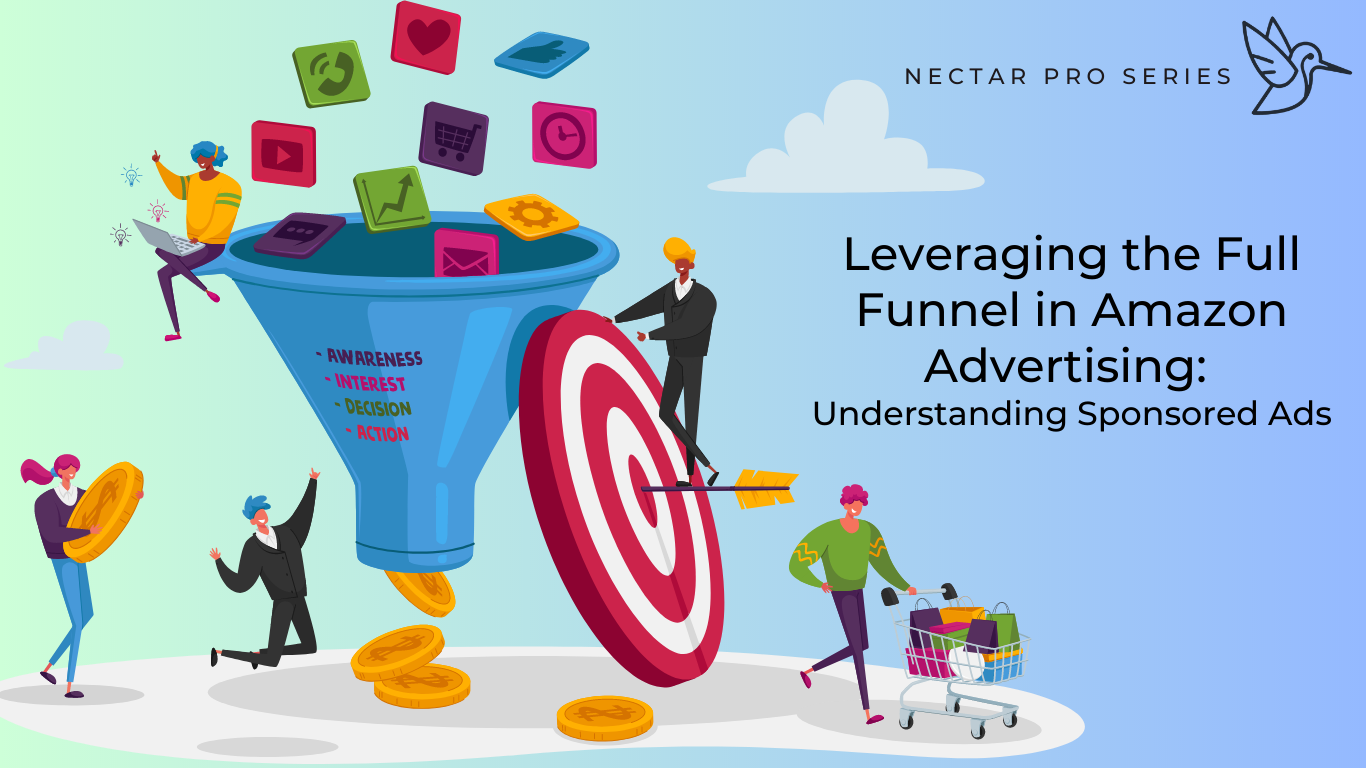
Increase ecommerce ROI by matching creative execution to where prospects are in their buying journey. Early-funnel creative introduces your brand and builds awareness. Mid-funnel creative educates and builds consideration. Bottom-funnel creative removes final objections and drives conversion. Each stage requires different creative approaches aligned with audience readiness.
Implementing a creative testing framework for scalable ad success
Guesswork kills profitability. A disciplined, structured creative testing framework is crucial to scale e-commerce ads profitably. Without systematic testing, you’re making expensive assumptions about what creative will perform. Some assumptions prove correct. Most don’t.
The four core pillars of a high-impact creative testing cycle are:
-
Hypothesis development based on audience insights and performance data rather than subjective opinions
-
Controlled testing methodology that isolates creative variables to identify true performance drivers
-
Statistical significance requirements ensuring you’re reading real signals instead of random noise
-
Rapid iteration processes that quickly apply learnings to new creative variations
| Unstructured Testing | Structured Testing |
|---|---|
| Tests random creative ideas without clear hypotheses | Tests specific hypotheses based on data and audience insights |
| Changes multiple variables simultaneously making results unclear | Isolates single variables to identify true performance drivers |
| Lacks statistical rigor leading to false conclusions | Requires statistical significance before declaring winners |
| Slow iteration cycles delay learning application | Rapid iteration quickly compounds learning into better creative |
| Subjective evaluation based on personal preferences | Objective evaluation based on conversion and revenue metrics |
Implement a creative testing framework with these steps:
-
Establish baseline performance metrics for your current creative to measure improvement against
-
Develop specific hypotheses about what creative changes will improve performance and why
-
Design controlled tests isolating one variable at a time such as headline, image, or call to action
-
Set minimum sample sizes and statistical significance thresholds before launching tests
-
Monitor results daily but avoid premature conclusions before reaching statistical significance
-
Document learnings in a central repository accessible to creative and media teams
-
Apply winning insights to new creative variations and test again to compound improvements
Pro Tip: Consistent testing reduces wasted ad spend by identifying winners faster and killing losers before they consume significant budget. Brands that test systematically often discover that their best-performing creative differs dramatically from what internal stakeholders initially preferred.
Transform marketing from guesswork into science with systematic creative testing aligned to advertising strategy. Your testing framework should directly support strategic objectives. If your goal is lowering cost per acquisition, test creative variations that address common purchase objections. If you’re focused on increasing average order value, test creative that highlights product bundles or premium options.
A/B testing in ecommerce becomes exponentially more valuable when creative and media teams collaborate on test design and analysis. Media buyers understand which audience segments and placements drive the best results. Creative teams know which messaging angles and visual approaches resonate. Together, they can design tests that optimize both creative execution and strategic targeting simultaneously.
How Nectar helps brands align creative and ad strategy
Many e-commerce brands struggle to coordinate creative development with advertising strategy because these functions live in separate silos. Creative agencies don’t understand campaign performance data. Media buyers lack creative expertise to provide actionable feedback. This disconnect limits what either team can achieve independently.
Nectar provides expert creative services tightly integrated with data-driven advertising strategy. Our in-house photography, videography, and design teams work directly with media buyers who manage campaigns across Amazon, Walmart, and Shopify. This integration ensures every creative asset gets developed with clear performance objectives and tested systematically against campaign goals.
Our proprietary iDerive analytics platform gives creative teams real-time visibility into how their assets perform across channels and audience segments. They see which product angles drive conversions, which messaging resonates with different demographics, and which visual styles generate the strongest engagement. This feedback loop enables rapid iteration that compounds learning into progressively better creative.
Case studies demonstrate the impact. Building the perfect shopping trip on Shopify required aligning creative storytelling with sophisticated funnel strategy. The results validated our integrated approach with measurable improvements in conversion rates and customer lifetime value.
Ready to build aligned ad campaigns that scale profitably? Explore our profitable brand growth services to see how we harmonize creative excellence with advertising strategy for mid-sized and enterprise e-commerce brands.
Frequently asked questions
What are the benefits of aligning creative with ad strategy?
Aligning creative with ad strategy improves conversion rates by up to 30%, lowers customer acquisition costs, and enhances brand consistency across touchpoints. It enables better audience targeting through relevant messaging that resonates with specific consumer motivations and barriers. Structured alignment supports efficient budget use and scalable ad spend because creative and media teams optimize toward shared objectives rather than working at cross purposes.
How does a branding strategy influence ad creative?
Branding strategy lays the foundation for messaging, visual style, and values in every piece of creative. It ensures every ad reflects and strengthens the brand’s core identity rather than creating disconnected impressions that confuse consumers. Strong branding strategy provides creative teams with clear guardrails that focus their work on strategic objectives while still allowing room for creative excellence and innovation.
What role does audience insight play in aligning creative and ad strategy?
Audience insights help tailor messages to specific motivations and barriers that influence purchase decisions. Relevant creative resonates better because it addresses real consumer needs rather than broadcasting generic product features. Deep audience understanding enables you to create segment-specific creative variants that speak directly to different customer groups, dramatically improving engagement and conversion rates compared to one-size-fits-all approaches.
Why is a structured creative testing framework important?
Testing identifies what creative works best when aligned with your advertising strategy and audience segments. It reduces wasted spend by quickly identifying underperforming creative before it consumes significant budget. A structured framework improves campaign scalability because you’re scaling proven winners rather than hoping untested creative will perform. Systematic testing transforms subjective creative decisions into data-driven optimization that compounds improvements over time.
Recommended



























































%2520(1).jpeg)






.png)
.png)